- Jaxon Smith-Njigba takes the top spot: The Seattle Seahawks wide receiver gained at least 90 receiving yards in all but three games this season.
- Two tight ends crack the top 15: Brock Bowers and Trey McBride have consistently ranked among the top five fantasy tight ends, and they could remain the league's top two tight ends for the next five seasons.
- Built for 1QB formats: The player rankings are specifically structured for dynasty leagues that use a one-quarterback format.
These rankings are built specifically for single-quarterback, PPR dynasty leagues and have been updated from our initial version to account for the latest developments from training camp. We’ve included analysis for the top 150 players, plus several others, with a primary focus on what fantasy managers can expect in 2026.
1. WR Jaxon Smith-Njigba, Seattle Seahawks
Smith-Njigba was incredibly consistent in 2025, finishing with at least 90 receiving yards in all but two games. He’s also the youngest of the early first-round wide receiver options, making further improvement more likely than with the others. The reason Smith-Njigba ranks a little lower in redraft is that the Seahawks underwent more significant changes this offseason, most notably losing offensive coordinator Klint Kubiak to the Las Vegas Raiders’ head coaching job and replacing him with former 49ers tight ends coach Brian Fleury. The reigning Offensive Player of the Year should have consistency at quarterback with Sam Darnold, who ranks among the top-10 quarterbacks in PFF grade over the last two seasons, though Darnold hasn't been as good as Burrow or Stafford. No one is going to come close to taking Smith-Njigba's spot as the top receiving weapon in the offense, but he remains on top in dynasty rankings thanks to his age, and the situation for each wide receiver is temporary.
2. WR Puka Nacua, Los Angeles Rams
Nacua has been the most productive wide receiver in the NFL over the past two seasons with a 96.3 PFF receiving grade that leads the position comfortably. He has backed that up with elite performances against top defenses, including accruing 19 receptions for 300 yards and two touchdowns across two games against Seattle last season. The Rams maintained every significant offensive piece outside of Rob Havenstein‘s retirement and own the highest PFF team grade in the league, but an upgraded defense could reduce passing volume enough to keep Nacua from reaching his ceiling as the overall WR1. Matthew Stafford turns 38 before the season after an MVP campaign, making at least some regression in his efficiency metrics a reasonable expectation. The long-term dynasty outlook adds another variable with first-round pick Ty Simpson waiting in the wings, though Nacua's elite production makes him a locked-in early first-round pick in redraft regardless.
3. RB Jahmyr Gibbs, Detroit Lions
Gibbs is the only running back to average at least 21 PPR points per game in each of the last two seasons, combining elite rushing efficiency, double-digit touchdown production and over 500 receiving yards. The departure of David Montgomery removes the main factor that had previously capped his goal-line ceiling. Detroit’s offensive line is the primary concern after dropping from second to 13th in PFF run-blocking grade last season. Two more starters were replaced this offseason, adding further uncertainty to an area central to Gibbs’ production. New offensive coordinator Drew Petzing has shown a willingness to feature a lead back heavily, so a dramatic shift in usage is unlikely. The same talented supporting cast that creates slight competition for touches also helps Detroit remain one of the league's best offenses. The other elite running backs at a similar ADP carry comparable or greater uncertainty, which keeps Gibbs at the top of the position.
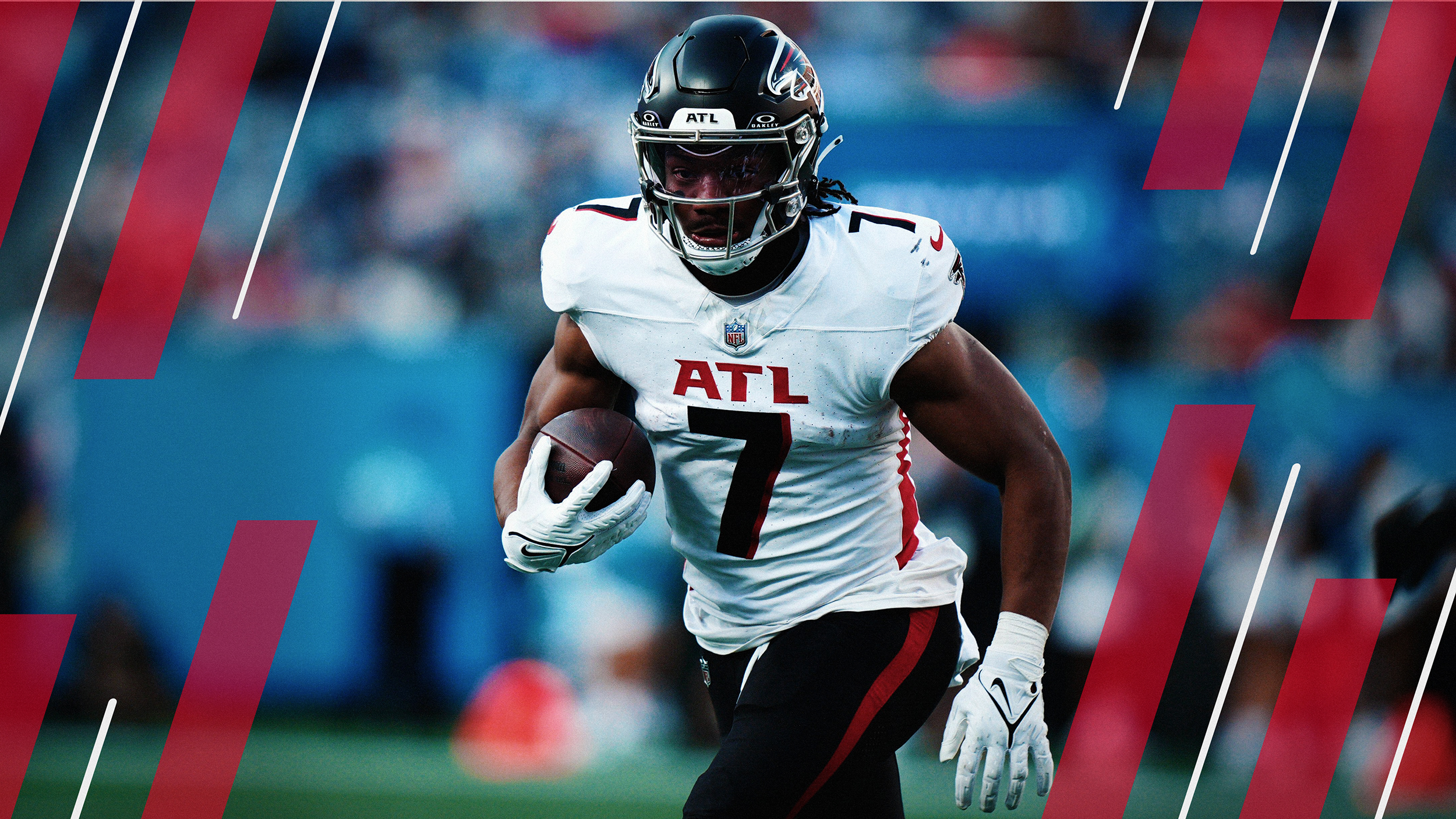
4. RB Bijan Robinson, Atlanta Falcons
Robinson has finished among the top-three fantasy running backs in each of the last two seasons, combining over 1,400 rushing yards and at least 60 receptions per year. The replacement of Tyler Allgeier with Brian Robinson Jr. at backup is a lateral move at worst for his goal-line outlook. Kevin Stefanski's history of featuring a lead back heavily when the personnel warrants it is an encouraging sign, as is his track record of prioritizing the running back position going back to his time with Dalvin Cook in Minnesota. The Atlanta offensive line is the primary concern, with Jake Matthews posting a career-low PFF run-blocking grade and Kaleb McGary‘s retirement forcing Atlanta to sign Jawaan Taylor, who profiles more as a pass protector than a run blocker. Robinson is competing with Jahmyr Gibbs for the top running back spot, with Gibbs holding a slight edge due to Detroit's offensive track record and fewer questions up front.
5. WR Ja'Marr Chase, Cincinnati Bengals
Chase reached a career-high 90.1 PFF receiving grade this past season, closing the gap between himself and the elite receivers thanks to Joe Burrow, whose 94.2 PFF passing grade over the past two seasons is notably higher than that of any other quarterback. No wide receiver dominates a favorable matchup as well as Chase, who has put together five games with double-digit receptions for 160 or more yards and at least one touchdown over the past two years, compared to nine for the rest of the league combined. The key members of the Bengals who have helped Chase will remain in place, with 20 of the 22 players who logged at least 25 offensive snaps last season still on the roster. The primary reason he isn't ranked as the top receiver in redraft is his performance in tough showdowns. Chase averaged just 33 yards across three games against top-eight defenses in preventing fantasy points to wide receivers.

 © 2026 PFF - all rights reserved.