- The draft's poor quarterback class gives free agency the edge: Malik Willis, Kyler Murray, Tua Tagovailoa and others headline the free-agent quarterback group, while there is plenty of uncerntainty after Fernando Mendoza in the draft class.
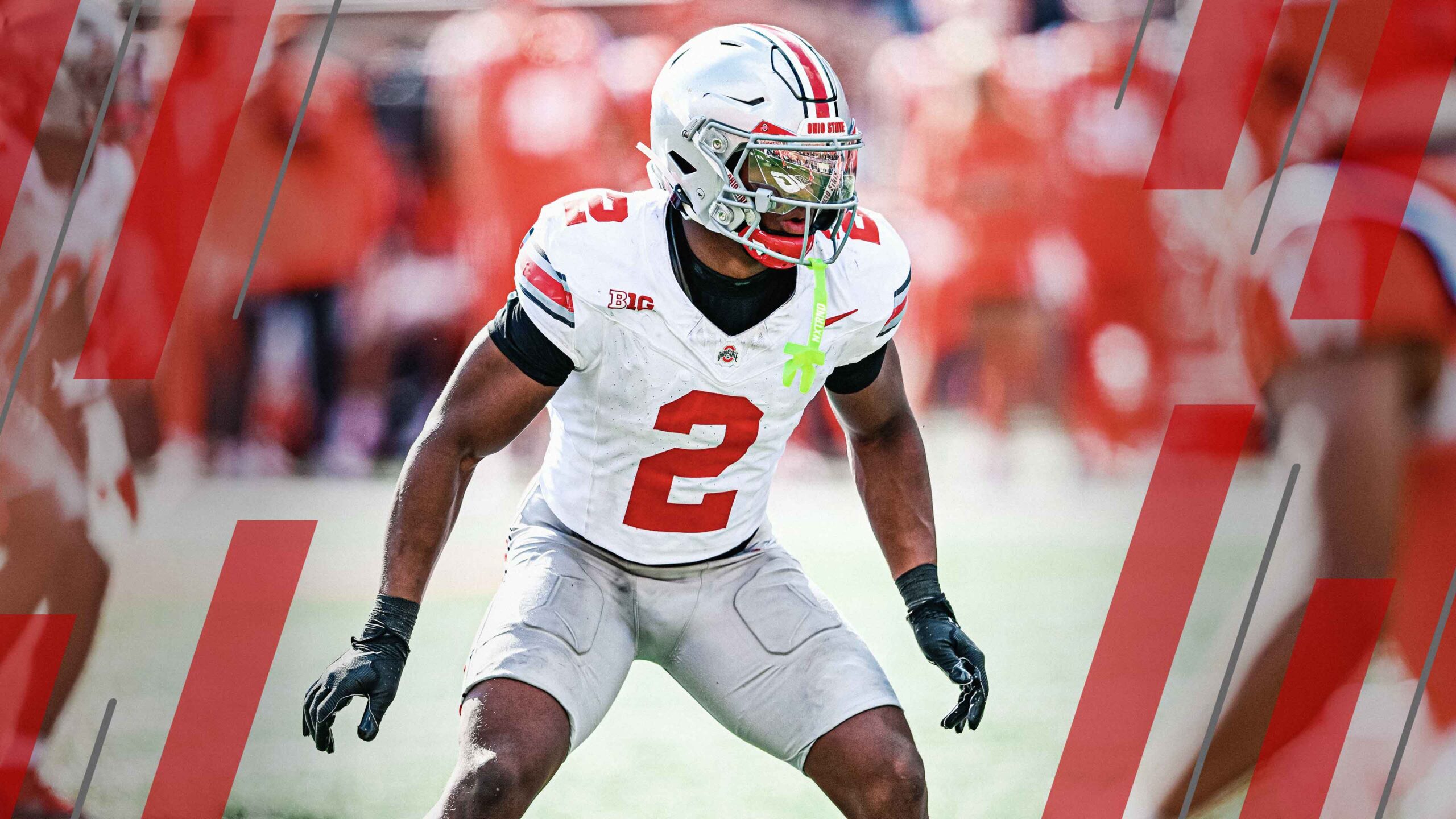
- The safety groups stack up relatively evenly: There are productive starters to be had in both offseason phases, from Ohio State's Caleb Downs to Super Bowl Champion Coby Bryant.
- 2026 NFL Draft season is here: Try the best-in-class PFF Mock Draft Simulator and learn about 2026's top prospects while trading and drafting for your favorite NFL team.
One of the more interesting parts of the NFL offseason is each team’s ability to manage its needs via the two main ways of acquiring players: free agency and the draft. Free agency offers veteran players who could help in the short term. The NFL draft offers a potential long-term foundation, although that often comes at the price of patience.
The exercise here is to examine both the free-agent and draft classes at each position group in order to determine which has more talent.
Quarterback: Free Agency
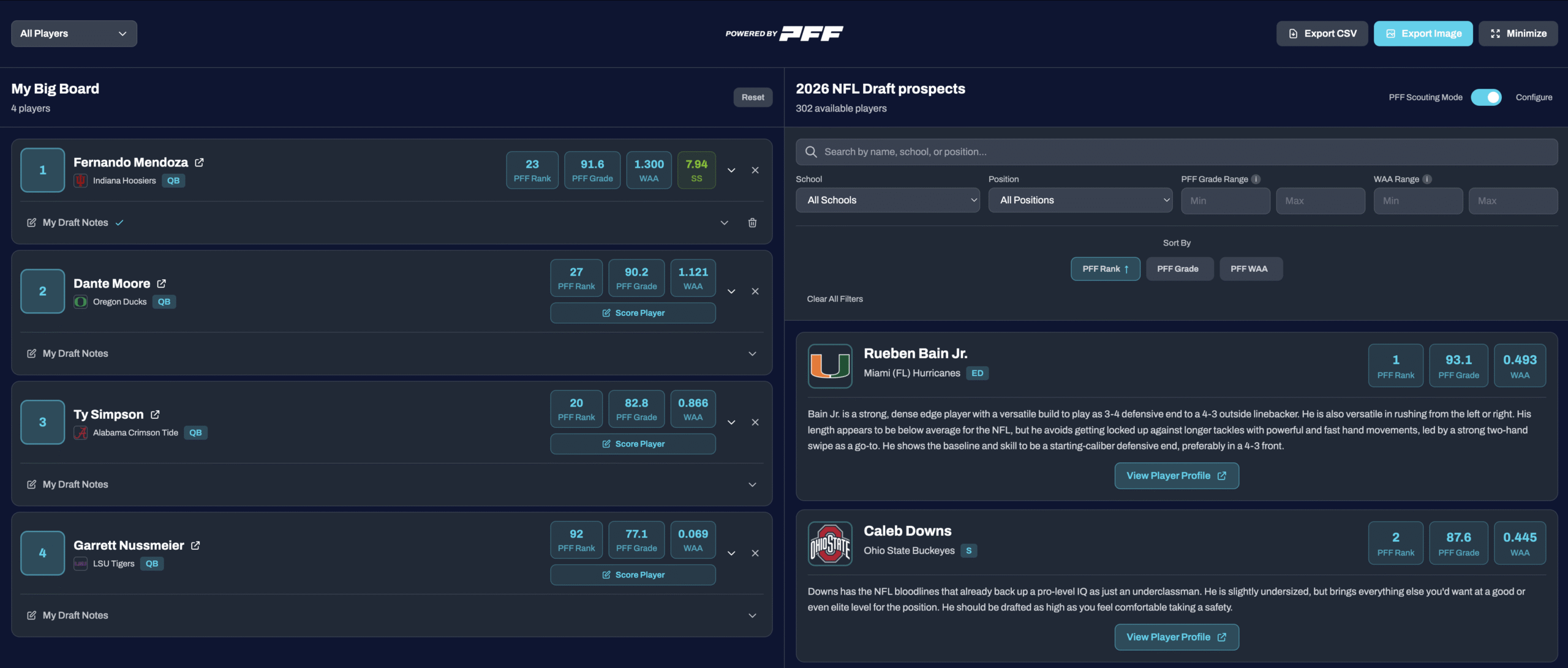
Indiana’s Fernando Mendoza is a virtual lock to be selected first overall by the Las Vegas Raiders after his Heisman-winning campaign. Questions remain about the viability of the rest of the quarterback class. Ty Simpson is generally thought to be the second-best option, but he may need some behind-the-scenes development. There isn’t another surefire starter in the rest of the 2026 quarterback class.
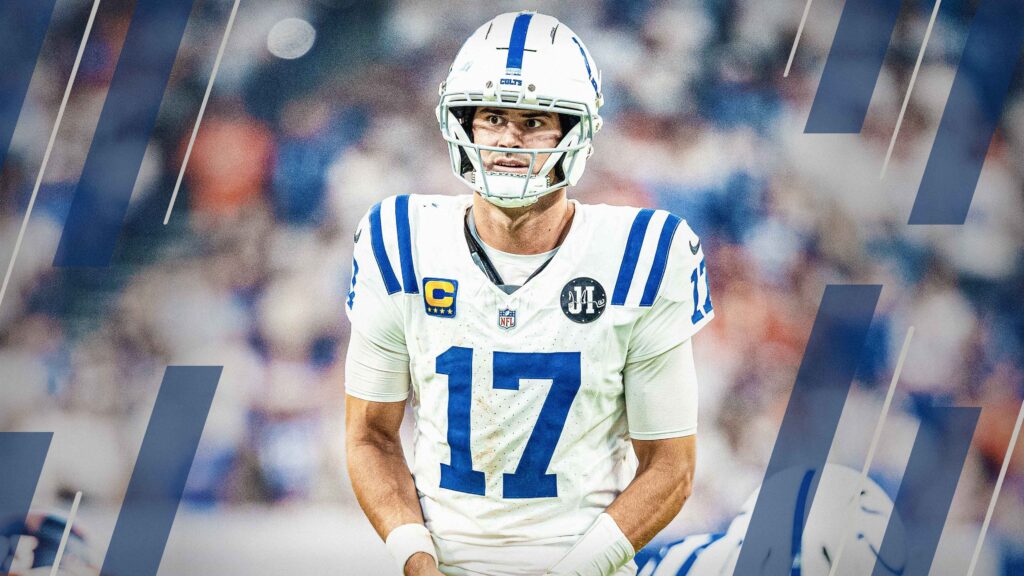
Meanwhile, multiple starting-caliber options are slated to hit the free-agent market. Green Bay’s Malik Willis is a younger option who excelled in limited action with the Packers, culminating in a 95.6 PFF game grade against the Ravens this past season. Pittsburgh’s Aaron Rodgers and Indianapolis’ Daniel Jones are more likely to stay put, but could be available. Arizona’s Kyler Murray, Miami’s Tua Tagovailoa and Atlanta’s Kirk Cousins are all set to hit the market, too.
There are simply more starting-caliber options in free agency than in the draft this year.
Running Back: Free Agency
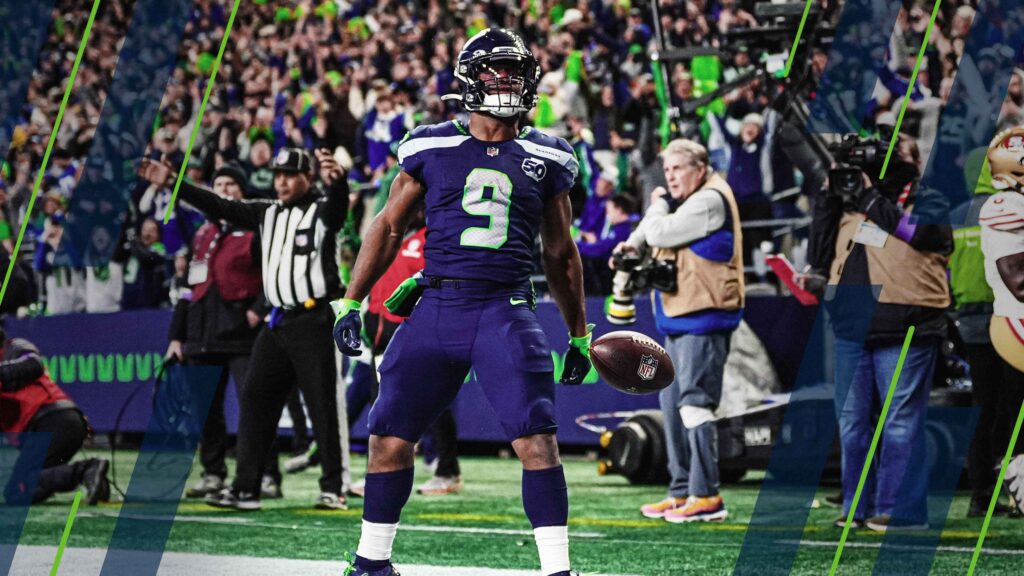
The free-agent and draft classes at running back are structurally very similar. The draft class features one elite prospect, Notre Dame’s Jeremiyah Love, followed by a slew of options who are likely either committee or developmental prospects. The free-agent market contains the most recent Super Bowl MVP, Seattle’s Kenneth Walker III, alongside further rotational options.
The free-agent class gets the edge here due to a number of players who have proven in different capacities that they can carry heavier workloads at an NFL level. The Jaguars‘ Travis Etienne Jr. is likely the most attractive option aside from Walker after his third career 1,000-yard season and 70.0-plus PFF rushing grade. Rico Dowdle, Tyler Allgeier and J.K. Dobbins should all garner interest as role players at the very least. Their experience gives them an edge over an unproven draft class.
Wide Receiver: Draft
Free agency offers some interesting pass-catching options, although the Cowboys franchise-tagged George Pickens, who was the market’s top potential option. Alec Pierce, Wan'Dale Robinson and Romeo Doubs are some of the top younger options. Veterans Mike Evans and DeAndre Hopkins still have plenty to offer, too.
Ohio State’s Carnell Tate, Arizona State’s Jordyn Tyson and USC’s Makai Lemon are all expected to be drafted within the first 20 picks, with each generating signficant PFF WAR for their respective schools. Secondary options like Washington’s Denzel Boston and Indiana’s Omar Cooper Jr. could immediately help a team, as well.
There are useful role players likely to be drafted in the early part of Day 3. Teams should scan the free-agent market for veteran help at the right value, but they shouldn’t overpay due to the talent in this draft class.
Tight End: Draft
The most attractive receiving option on the tight end market, the Falcons‘ Kyle Pitts, has already received the franchise tag. Otherwise, the market is flooded with veteran options on the wrong side of 30 years old. Philadelphia’s Dallas Goedert, Washington’s Zach Ertz and Kansas City’s Travis Kelce, though he is extremely unlikely to leave the Chiefs, all offer some value. However, the draft is likely the better place to search for options at tight end.
Oregon’s Kenyon Sadiq seems likely to be selected in the first round following his freakish combine performance. Vanderbilt’s Eli Stowers, Baylor’s Michael Trigg and North Carolina State’s Justin Joly are fine receiving options, with each having earned a 75.0-plus PFF receiving grade this past season. Ohio State’s Max Klare, Texas’ Jack Endries and Notre Dame’s Eli Raridon offer inline potential. Expect plenty of teams to take a flier on somebody in this class between Rounds 2 and 5.
Offensive Line: Free Agency
The upcoming free agency period will be a fascinating litmus test for what the NFL thinks of this year’s offensive line draft class. There are few, if any, offensive tackle prospects who don’t have legitimate questions about their ability to remain there. Players like Miami’s Francis Mauigoa and Utah’s Spencer Fano will likely be selected in the first round, but they could move inside. Interior prospects such as Penn State’s Vega Ioane and Oregon’s Emmanuel Pregnon should also garner first-round interest.
There are plenty of veteran options to choose from for teams seeking free agent help. Center Tyler Linderbaum is the crown jewel who should reset the market at his position. Productive tackles Rasheed Walker, Braxton Jones, Jermaine Eluemunor and Braden Smith are starting-caliber options. Veteran guards Kevin Zeitler, Isaac Seumalo and Dylan Parham can also provide stability. Contenders are more likely to look toward the free-agent market for immediate improvement.



Defensive Line: Draft
Without a doubt, there are attractive options on the free-agent defensive line market who can immediately improve any team’s pass rush, particularly with the Bengals‘ Trey Hendrickson being available. Other productive edge rushers, including Jaelan Phillips, Odafe Oweh and Boye Mafe, will be in line for nice contracts. Veteran interior players Sheldon Rankins and David Onyemata will likely start somewhere, as well.
However, this year’s defensive line prospect cohort is arguably the most talented position group in the 2026 NFL Draft. Top-tier options include Texas Tech’s David Bailey and Miami’s Rueben Bain Jr., who are coming off elite college seasons with top-three rankings in quarterback pressures and PFF overall grade. Interior rushers Peter Woods and Caleb Banks should also be selected early.
Twenty-five defensive linemen are currently ranked in the top 100 of the PFF Predictive Big Board, and that doesn’t even count Ohio State’s Arvell Reese, who is currently listed as a linebacker.
Linebacker: Free Agency
By all accounts, this is as good a linebacker draft class as we have seen in several years. While Ohio State’s Arvell Reese has declared himself an edge rusher, there are eight other players at the position who rank among the top 100 on the PFF Predictive Big Board, including Reese’s teammate Sonny Styles. Georgia’s CJ Allen, Texas’ Anthony Hill Jr. and Texas Tech’s Jacob Rodriguez also stand out with top-50 potential.
This year’s free-agent market is also flush with talent, both young and grizzled. Jacksonville’s Devin Lloyd was PFF’s third-highest-graded qualified linebacker in 2025. Other younger options include Philadelphia’s Nakobe Dean, Kansas City’s Leo Chenal and Cleveland’s Devin Bush. Washington’s Bobby Wagner and New Orleans’ Demario Davis are veteran options whom contenders could consider offering a one-year contract.
Cornerback: Free Agency
The consensus top three cornerback prospects in this year’s class are LSU’s Mansoor Delane, Tennessee’s Jermod McCoy and Clemson’s Avieon Terrell. Delane was arguably college football’s best cornerback in 2025, but that was his only elite season. McCoy didn’t play at all in 2025 after suffering a knee injury last January. It’s a good cornerback class, but it would be hard to describe it as elite.
Meanwhile, free agency features several players who can step in and start for most teams. Tampa Bay’s Jamel Dean has earned at least a 72.5 PFF coverage grade in each of his seven NFL seasons. Seattle’s Josh Jobe and Riq Woolen were productive players throughout the team’s Super Bowl run. Chicago’s Nahshon Wright, Kansas City’s Jaylen Watson and Los Angeles’ Cobie Durant are all productive players under 30 years of age. There may not be any superstars on the market, but there are plenty of productive starters.
Safety: Draft
Perhaps the hardest position group to pick a winner for is safety. There are several productive starters, including from playoff teams, who could be a priority for any team looking to improve its secondary. Kansas City’s Bryan Cook and Seattle’s Coby Bryant should garner respectable multi-year deals. Chicago’s Kevin Byard led the NFL in interceptions this past season. Los Angeles’ Kamren Curl has been a productive player throughout his career.
However, there is a ton of talent at the safety position in this year’s draft class. Ohio State’s Caleb Downs is a potential top-10 pick and the second-highest-graded qualified FBS safety over the past three seasons. Toledo’s Emmanuel McNeil-Warren is the only player ahead of Downs in those rankings. Oregon’s Dillon Thieneman ranks third behind those two. Other players, including LSU’s A.J. Haulcy, TCU’s Bud Clark and USC’s Kamari Ramsey, could find themselves selected on Day 2.


 © 2026 PFF - all rights reserved.