
- A clear-cut relationship between speed and production: Faster running backs have yielded more efficient pro results, in part due to their ability to break off chunk runs.
- More implementation in the receiving game: Quicker backs also tend to be implemented more as slot pass-catchers, offering a higher PFF receiving grade.
- 2026 NFL Draft season is here: Try the best-in-class PFF Mock Draft Simulator and learn about 2026's top prospects while trading and drafting for your favorite NFL team.
Estimated Reading Time: 21 minutes
The NFL combine seems to divide opinion more and more every year. Claims that the 2026 draft class is the fastest group of prospects we’ve ever seen have been dismissed by many, largely due to the number of prospects who opted out of running the 40-yard dash, among other drills.
Moreover, the NFL’s access to GPS data from the college ranks raises the question of whether anyone really needs to see these players run the 40-yard dash anyway. And yet, every year, the traditional system prevails — with athletes rising or falling on draft boards due to how fast they can run in a straight line in late February.
On Friday, we took a look at how consequential the 40-yard dash is when projecting the success of NFL wide receivers. Today, we are staying on the offensive side of the ball, looking at running backs.
Compared to wide receivers, running backs are afforded much less room for unique athletic profiles when projecting to the NFL. For example, running backs on the lighter end of the weight spectrum obviously raise far more concerns about durability than the lightest wide receivers. Running back is a physical position, and one in which players are expected to contribute in every dimension of football — including as a receiver and as a pass protector — to be worthy of an early draft selection.
Most would therefore argue that speed is less consequential for running backs than it is for wide receivers, who can be utilized as one-trick deep threats if all else fails. That doesn’t apply to running backs. If you don’t possess the vision and natural feel for the game required at the top level, your speed essentially cannot be put to use.
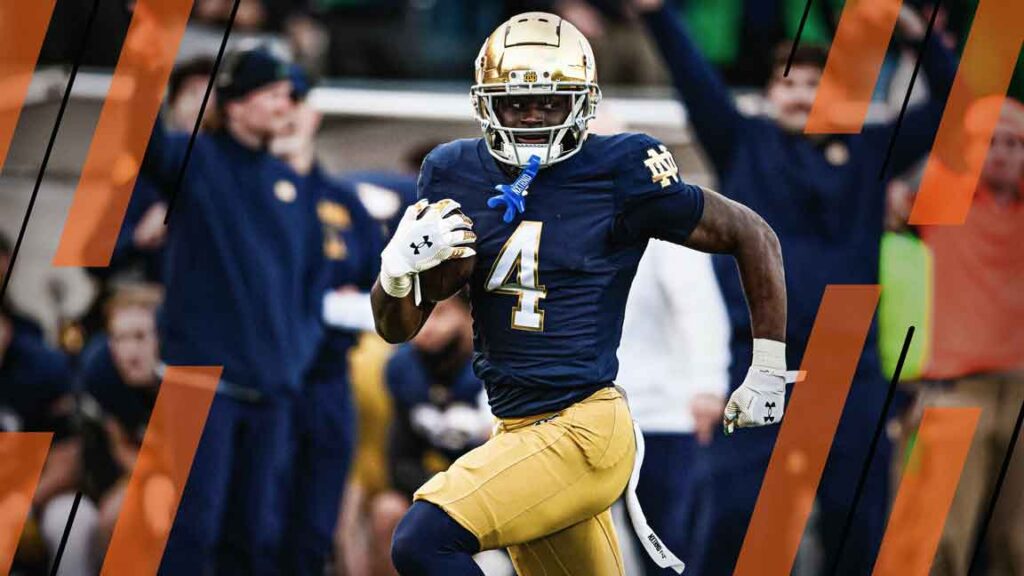

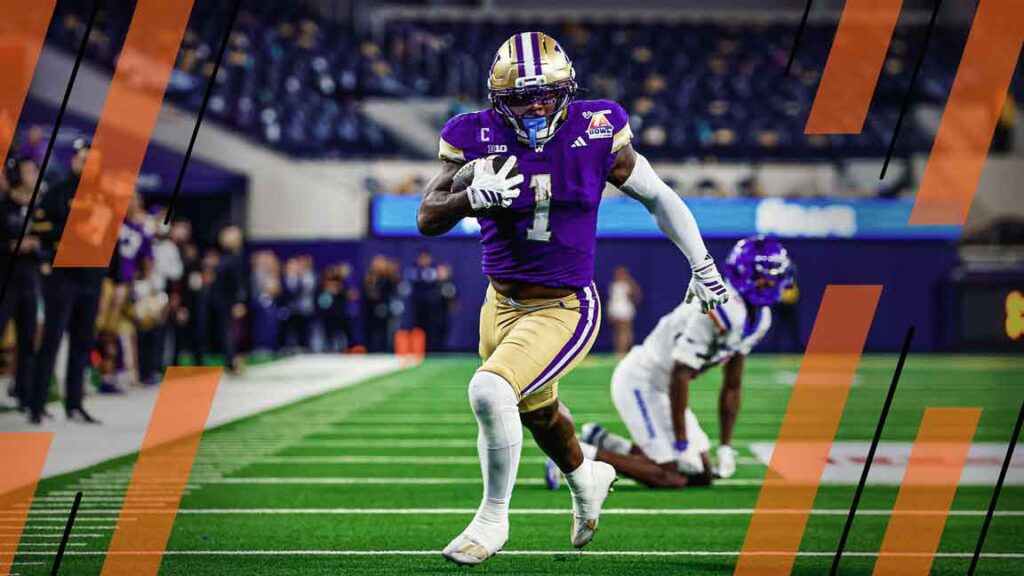
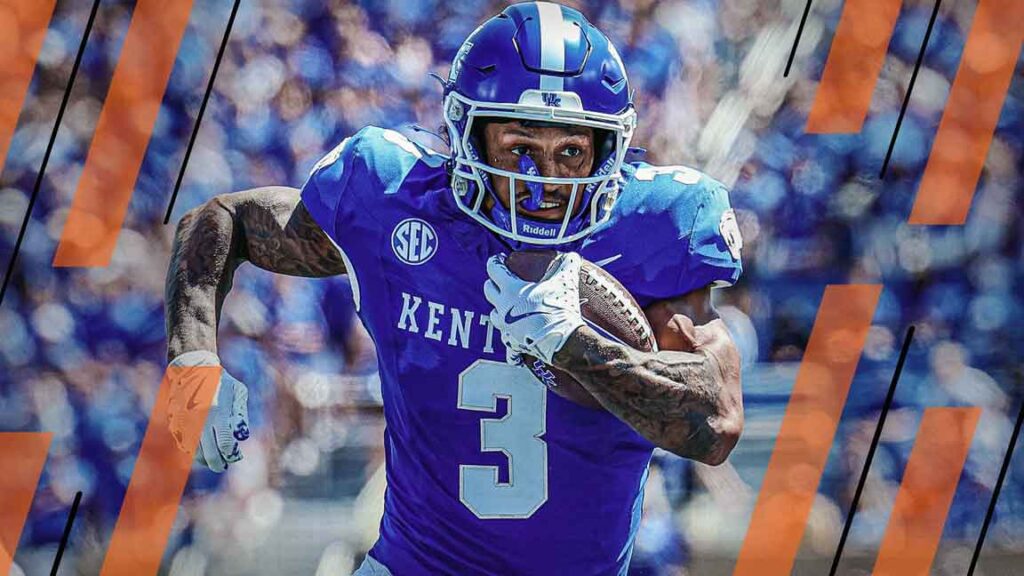
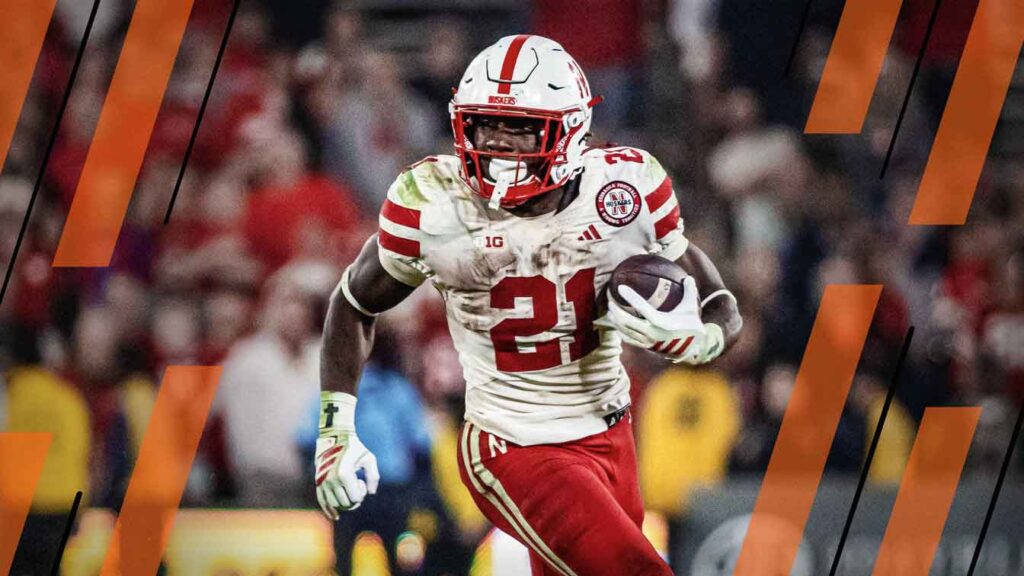
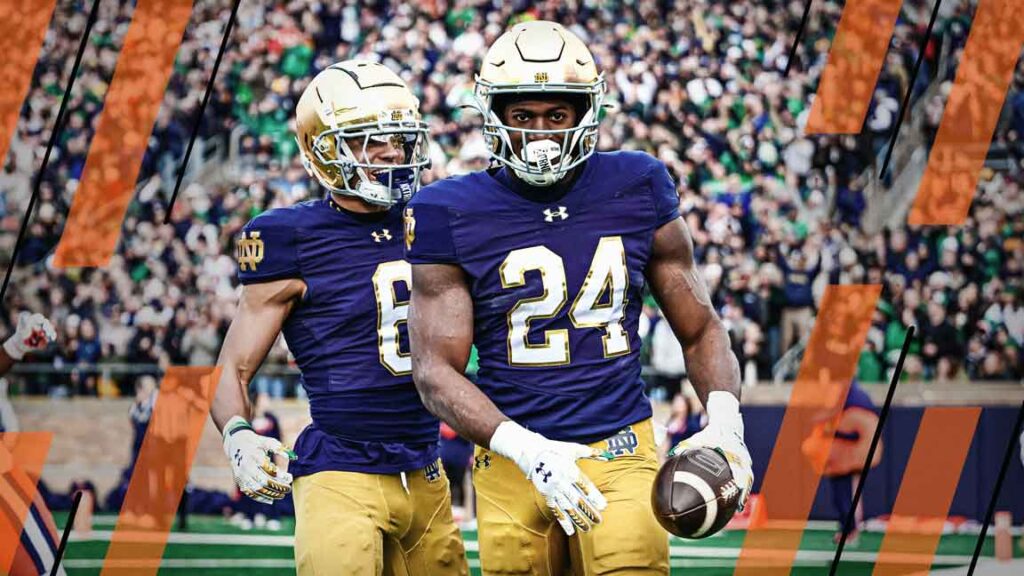
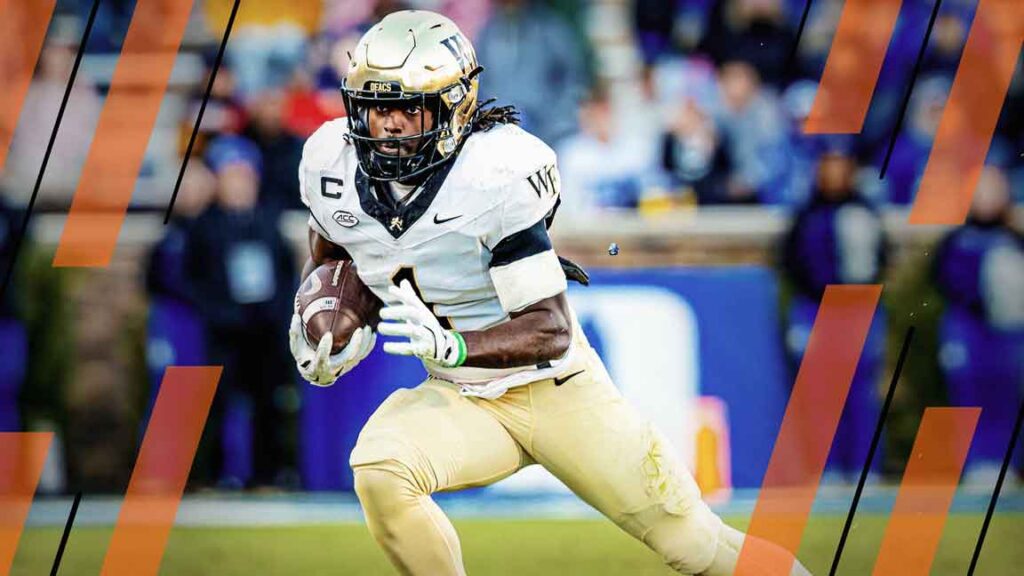
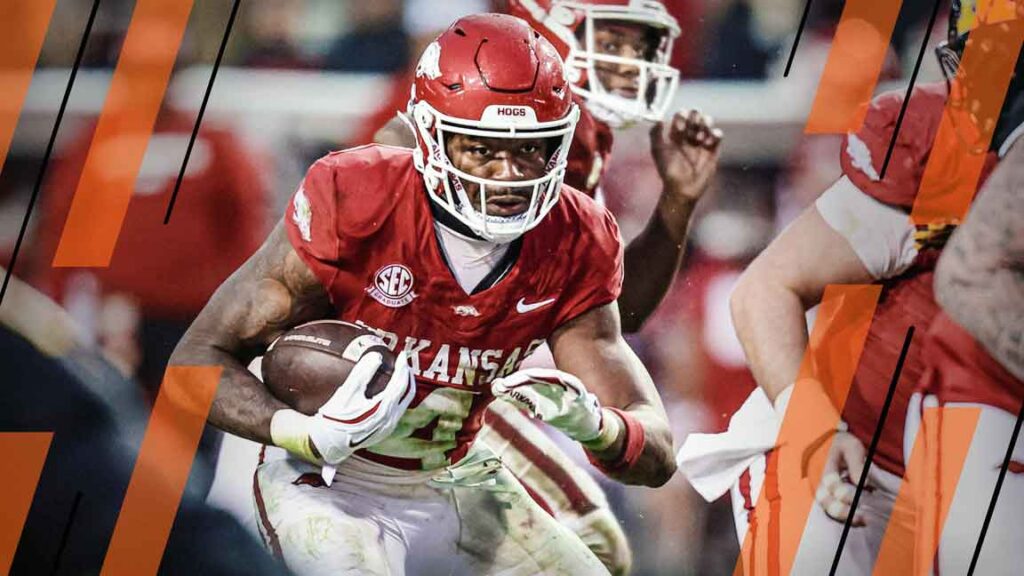
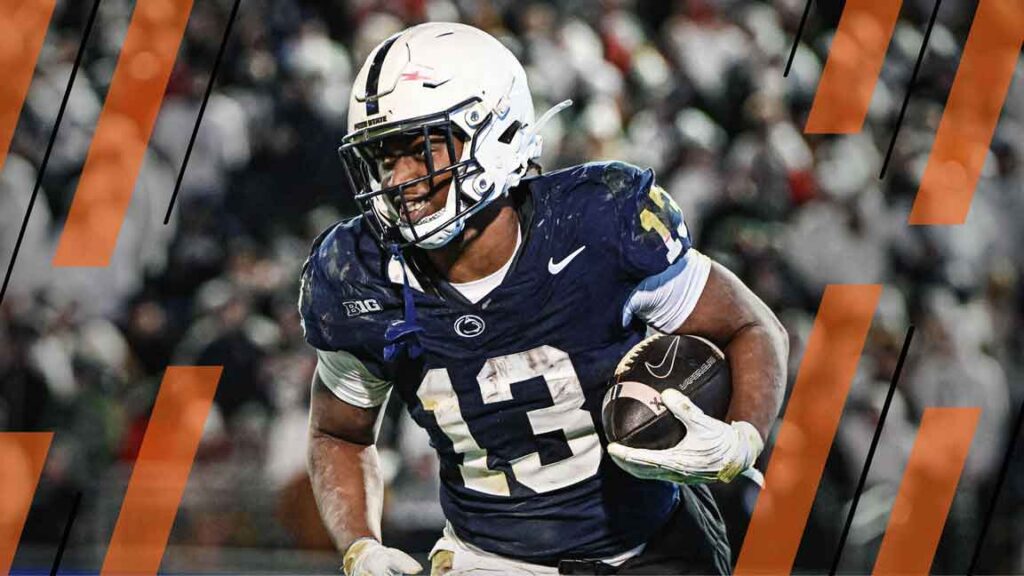
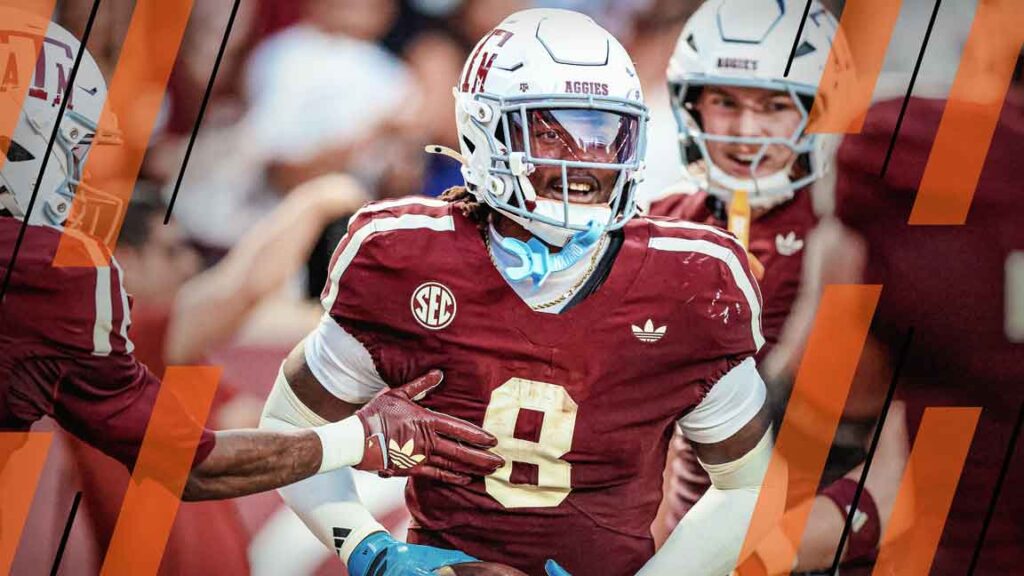
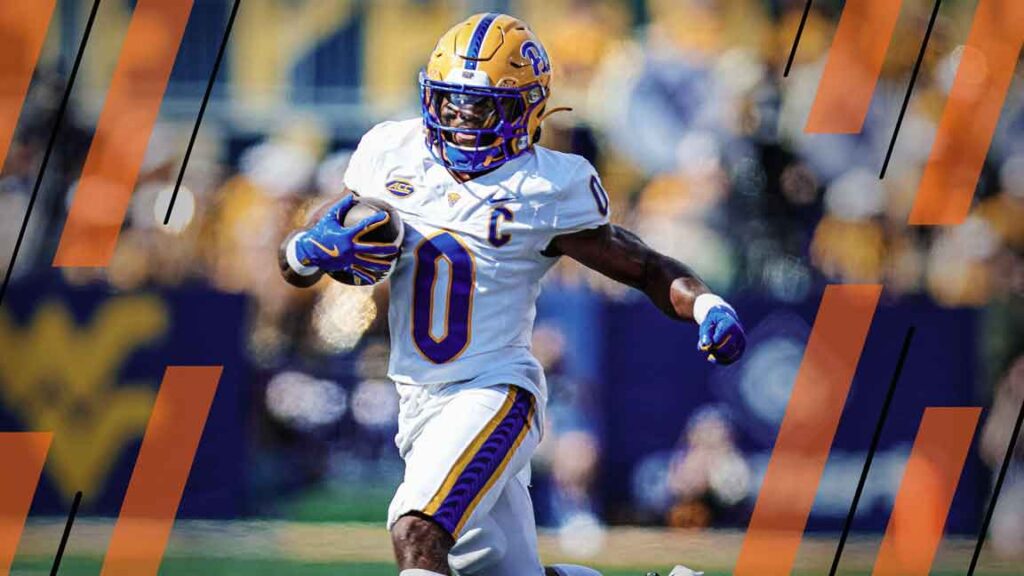
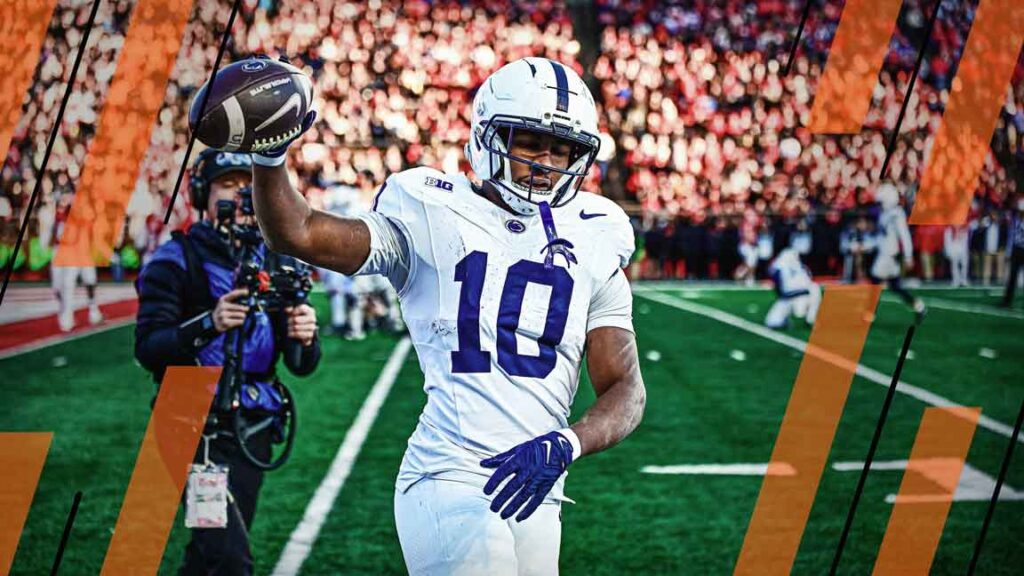
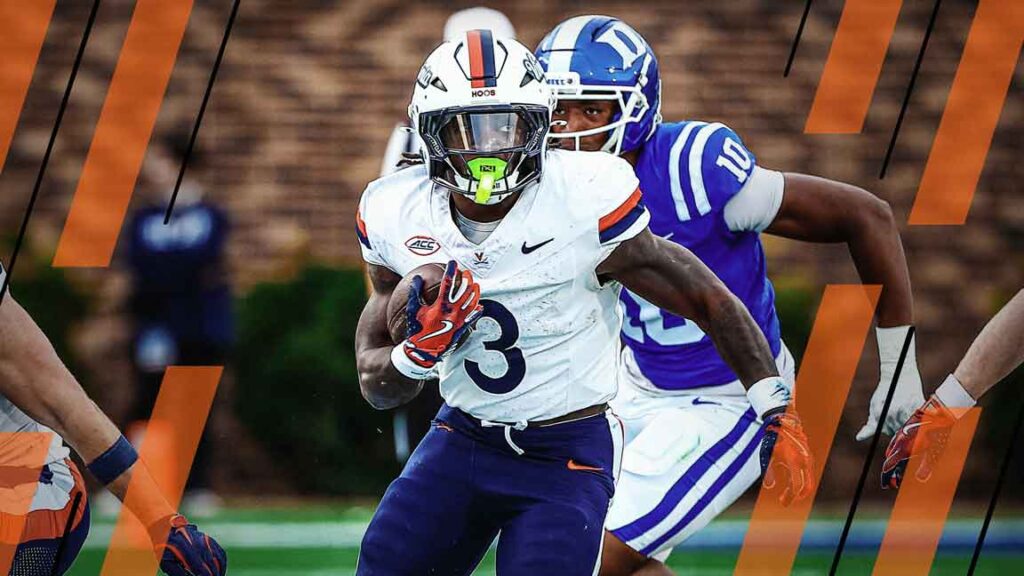
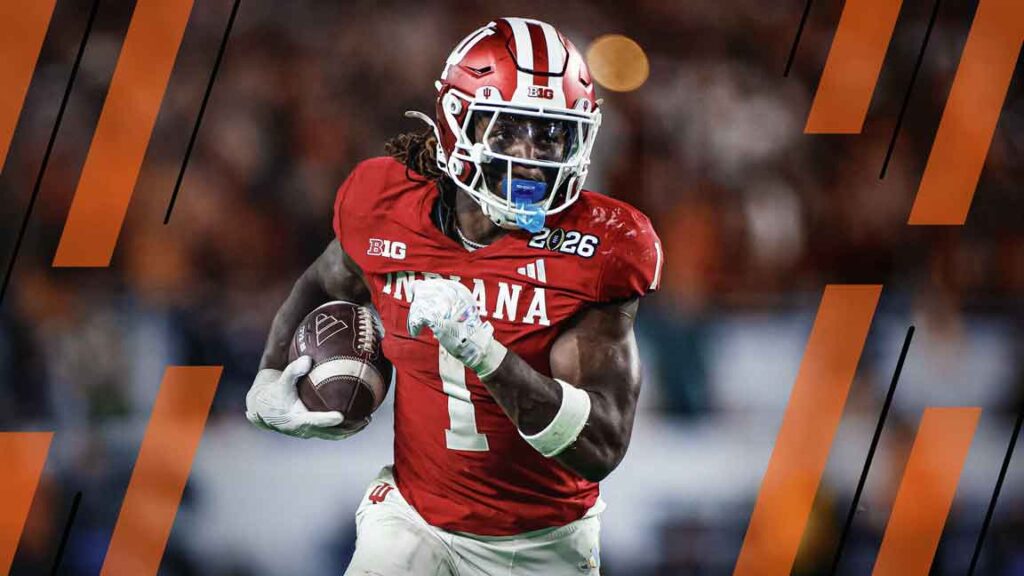
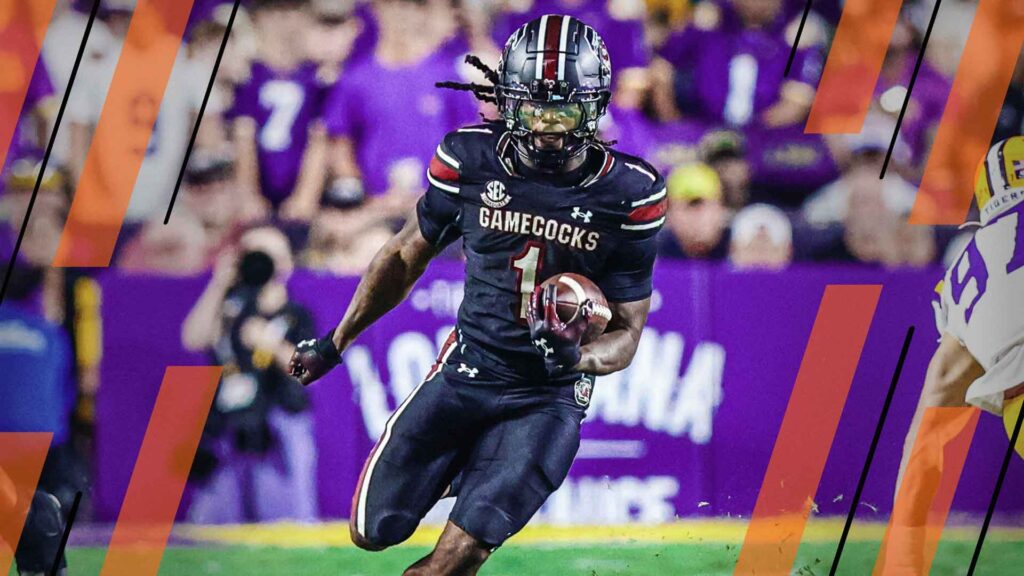
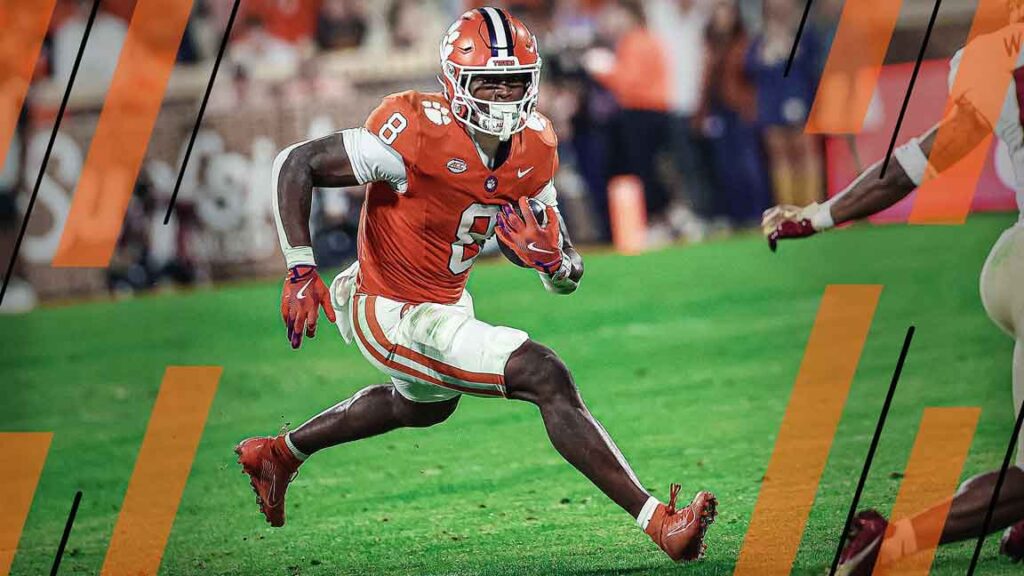
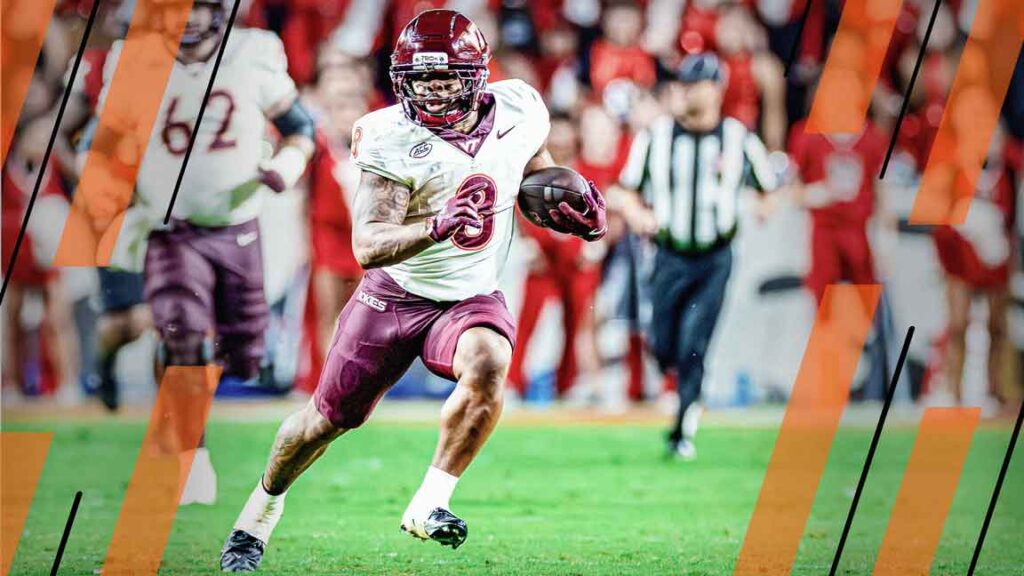
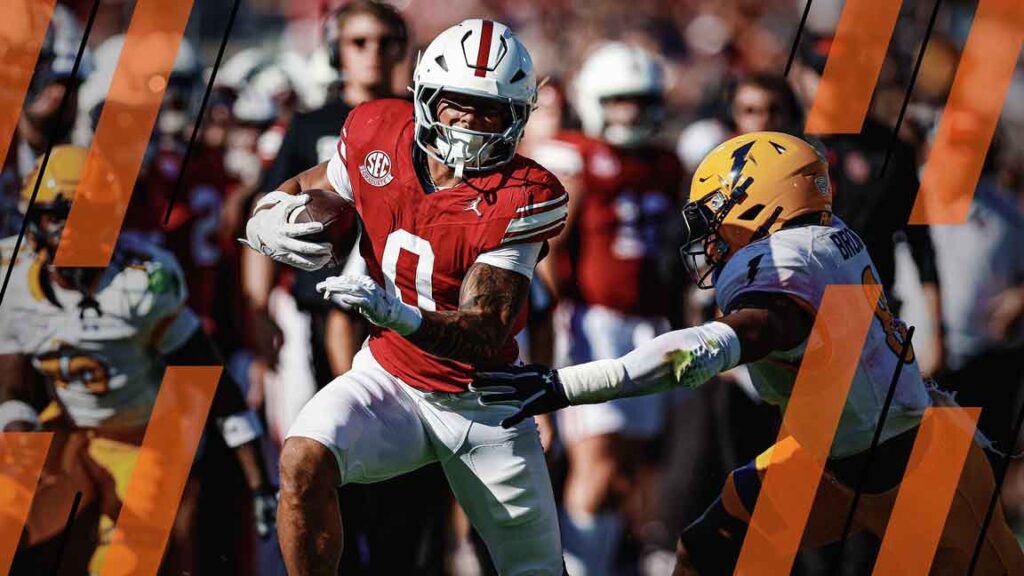
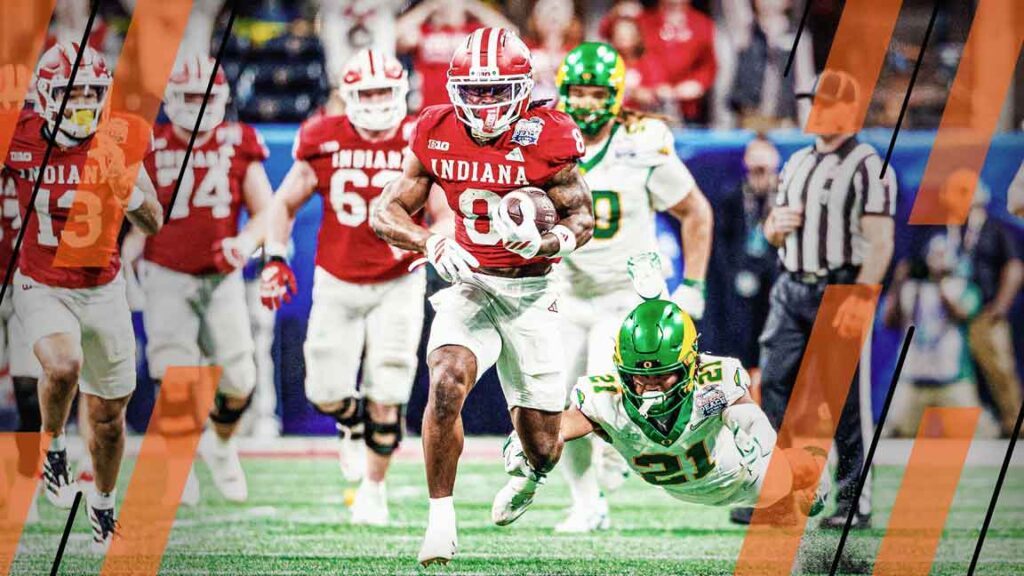
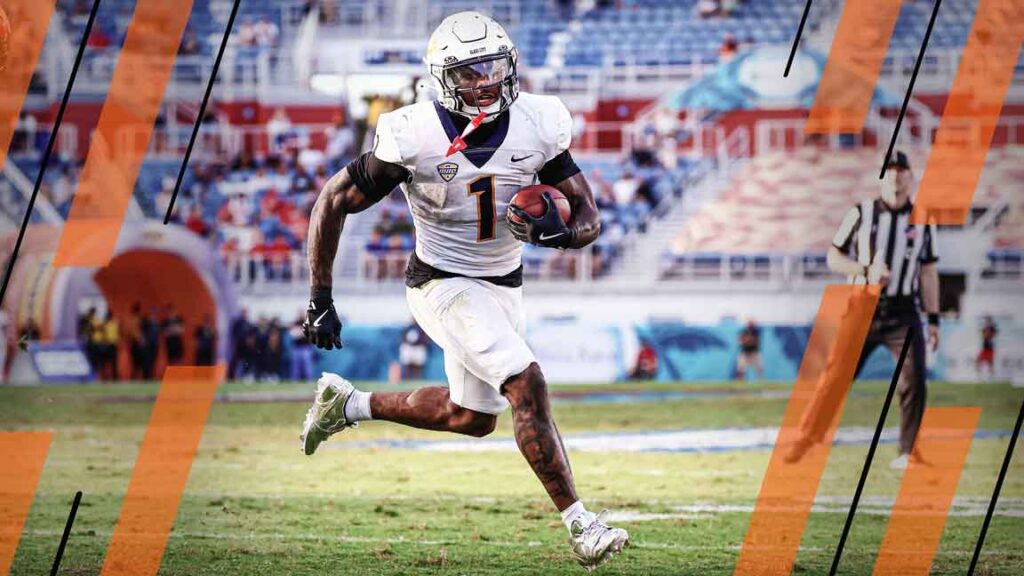
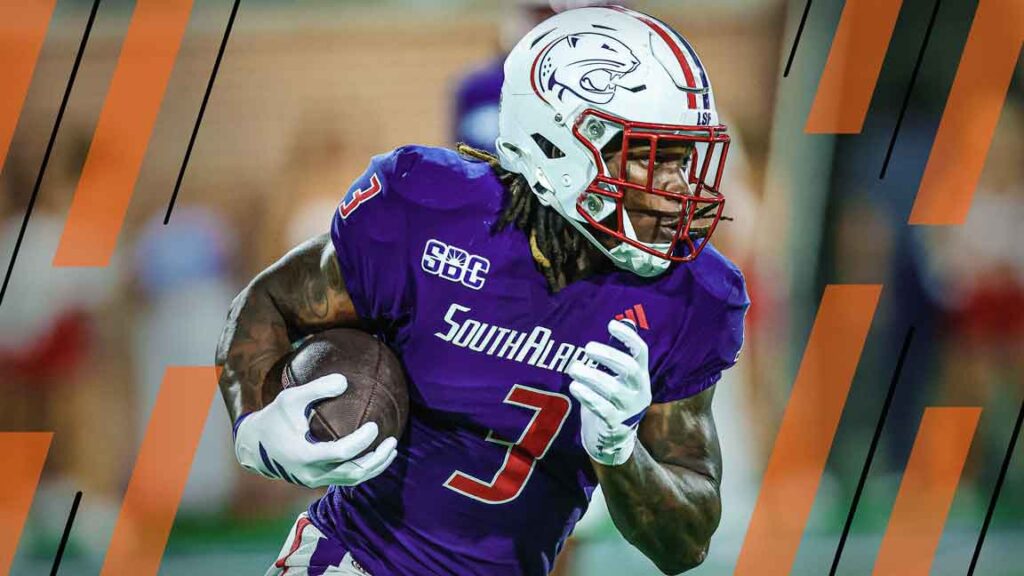
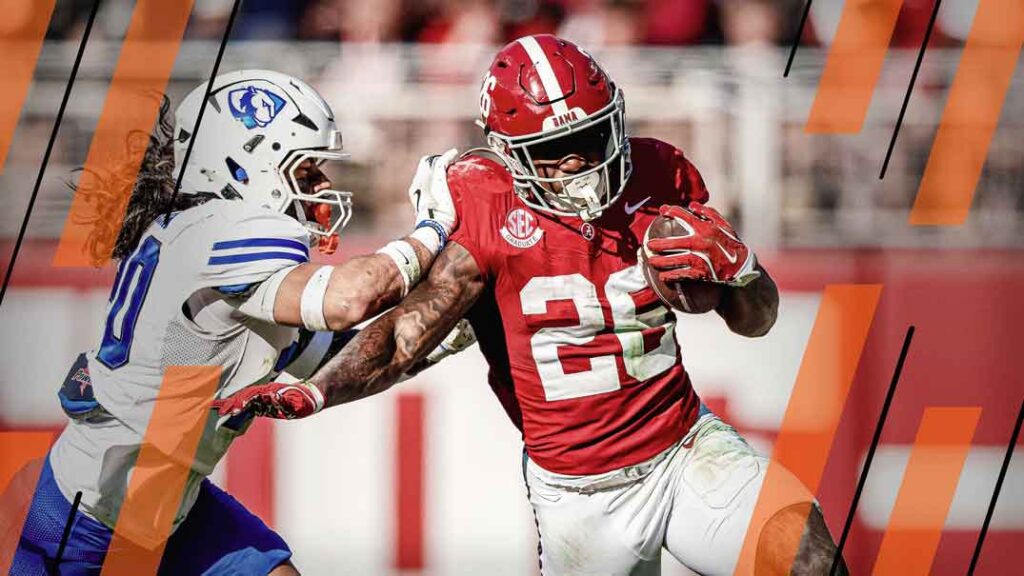


The average 40-yard dash time from running backs at the 2026 NFL combine was 4.46 seconds — lagging behind the wide receiver group by just one-hundredth of a second. There is practically nothing in the difference.
As we did with wide receivers, we’ll look at the performances of backs over the last five NFL seasons, split into four categories by their pre-draft times.
First, here are some of the top players in each group. The sub-4.40 group brings a blistering selection of athletes led by Jahmyr Gibbs, Jonathan Taylor and Kenneth Walker III.
Those who ran in the 4.4s include Saquon Barkley, Christian McCaffrey and Bijan Robinson. In the 4.5s, we have some more traditional bruisers like Derrick Henry and David Montgomery along with some previously overlooked mid-round picks like Alvin Kamara and Aaron Jones. Bringing up the rear, we still have plenty of talent in our slowest group, including Josh Jacobs, Kyren Williams, James Conner and more.
Diving into the data, a few clear patterns emerge. Unlike at wide receiver, where those who ran in the middle categories outperformed their faster counterparts, the running back position exhibits a linear improvement.
As running backs get faster, their yards per carry increase, as do their overall PFF rushing grade. Perhaps most surprisingly, the sub-4.4 running backs have posted the best total numbers after contact — an area where I initially assumed the bigger, slower, bruising backs would be much superior.
Running Back Production by Speed Category (Last Five NFL Seasons)
| 40-Yard Dash Time | Yards Per Carry | Average Before Contact | Average After Contact |
| Sub-4.40 | 4.6 | 1.4 | 3.1 |
| 4.40 – 4.49 | 4.4 | 1.4 | 2.9 |
| 4.50 – 4.59 | 4.3 | 1.3 | 3.0 |
| 4.60+ | 4.1 | 1.2 | 2.9 |
While the speediest running backs proved they too can pack a punch in the tackle, they were also stuffed at the line of scrimmage more than any other category, with a stuff rate of 18.4%. Given the fastest running backs had more runs for no gain than any other group, their high yards-per-carry figure is clearly a testament to their ability to break off carries for major gains.
That is, of course, where speed comes into the equation. Tests like the vertical jump and broad jump are great for gauging explosiveness around the line of scrimmage, but no pre-draft test measures home-run ability better than the 40-yard dash.
Running backs who timed faster than 4.4 seconds at their combine or pro day have been more than twice as likely to break off major runs than those who timed slower than 4.50.
Percentage of Carries for 40+ Yards (Over Last Five Seasons)
| 40-Yard Dash Time | % of Carries for 40+ Yards |
| Sub-4.40 | 0.78% (1 in 128) |
| 4.40 – 4.49 | 0.58% (1 in 172) |
| 4.50 – 4.59 | 0.36% (1 in 278) |
| 4.60+ | 0.27% (1 in 370) |
PFF also tracks every play where a running back changes their intended point of attack. The fastest set of backs did this more often than any of the other groups, indicating their tendency to bounce runs outside by using their speed to win around the corner. This can sometimes be viewed as a bad habit, as running backs turn their nose up at consistently steady gains for the chance of breaking off a big run.
The receiving game paints a similar picture of success for faster backs. On average, quicker running backs have higher PFF receiving grades, accumulate more yards per catch and see more usage in the slot and out wide.
Receiving Stats by Running Backs (Last Five Seasons)
| 40-Yard Dash Time | PFF Receiving Grade | Yards per Reception | YAC per Reception | Slot and WR Alignment % |
| Sub-4.40 | 77.1 | 7.6 | 8.3 | 2.4% |
| 4.40 – 4.49 | 76.8 | 7.5 | 8.0 | 2.3% |
| 4.50 – 4.59 | 68.5 | 7.2 | 7.8 | 1.5% |
| 4.60+ | 60.8 | 7.3 | 8.0 | 1.1% |
Many of the league’s slowest backs are relegated to screen roles, with no overly diverse route trees. Meanwhile, speedsters like Jahmyr Gibbs — who can get out of the backfield in a hurry — tend to present a matchup nightmare for defenses, which often isolate linebackers in primary coverage. We’re witnessing an increase in receiving yardage year upon year for fast running backs as they prove to be a tremendous asset to creative playcallers.
That comes in contrast with the wide receiver position, where speed did not exactly rule the roost. The 40 times of those in the backfield seems to be a better linear predictor for where these players’ futures lie.
The 40-yard dash will never be the only thing of consequence in the pre-draft process. In the case of running backs, it’s a useful tool to measure the upside a player possesses, including on each discrete play — not an entire season or career. When a running back who runs 4.65 hits the hole and carries the ball downfield for a 30-yard gain, chances are the player who runs 4.33 is taking it for 40.
I believe the lack of truly fragile running backs entering the NFL has some impact on our testing. We see wide receivers built like track athletes at the combine every season, hoping to make a pro career out of their speed alone.
Running backs can’t afford the same luxury. Consequently, the fastest players on show each spring are generally also the best.

 © 2026 PFF - all rights reserved.