
- Ty Simpson, Arizona Cardinals backup: The Cardinals offer Simpson a clear path to playing time this season, along with a solid group of receivers.
- A quarterback class to avoid: Quarterbacks typically need to be selected in the top five or offer rushing upside to be fantasy-relevant early in their careers. Fernando Mendoza is the only prospect in this class who meets that criteria.
- 2026 NFL Draft season is here: Try the best-in-class PFF Mock Draft Simulator and learn about 2026's top prospects while trading and drafting for your favorite NFL team.
Most NFL teams already have their starting quarterback in place for 2026, and the majority also have a clear backup, as front offices entered this cycle knowing the class was unlikely to provide immediate help at the position.
That issue is even more pronounced for fantasy purposes, as none of the top quarterbacks in this class stand out as rushing threats. Still, a few quarterbacks are likely to see playing time during the 2026 season, whether by design or due to injury.
The order below reflects how these players should be drafted in dynasty rookie formats, though the rankings are nearly identical in redraft leagues for now. Here are the top five quarterbacks in the class, along with each player’s ideal landing spot.
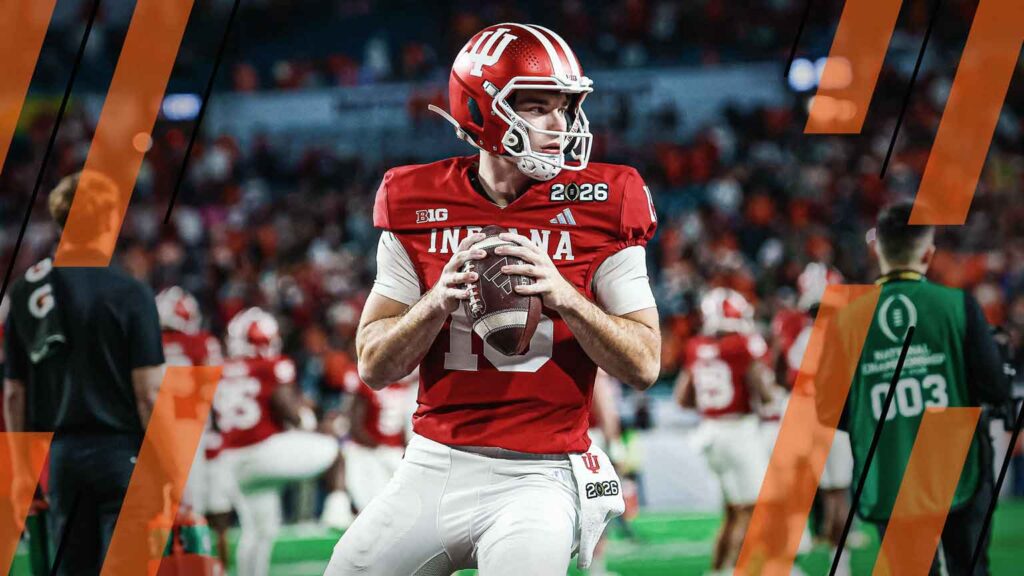
1. Fernando Mendoza, Indiana
Mendoza is widely expected to be the first overall pick by the Las Vegas Raiders and their quarterback of the future. Typically, quarterbacks who are the first overall pick end up higher in dynasty rookie superflex rankings, but there are a few reasons Mendoza is lower than the typical first overall pick.
Mendoza will be joining the Raiders, who had the third-lowest team offensive grade last season. Ideally, the team will have left tackle Kolton Miller back at full strength and can add reinforcements to the wide receiver room and offensive line this offseason. The better the Raiders look, the more he could move up these rankings.
He also does not offer the rushing upside of most recent first-round quarterbacks. Based on PFF tracking data, he ranks among the bottom three in athleticism and top speed among first-round quarterbacks over the past three seasons, alongside Bryce Young and Cam Ward. Both averaged fewer than 16 rushing yards per game. He also recorded a 69.3 career PFF rushing grade, ranking ahead of only Young, Stroud, Michael Penix Jr. and Kenny Pickett.
He is the best option in this class as a pure passer, but he ranks ninth among 14 first-round quarterbacks in PFF passing grade over the past five years. He ranks ahead of Jayden Daniels, Kenny Pickett, Ty Simpson, Cam Ward and Anthony Richardson.
This makes Mendoza riskier than a typical first-overall quarterback. He is the clear best option of this draft class, but if your dynasty team needs a quarterback, it might make sense to make a trade rather than picking Mendoza.
Ideal landing spot: Las Vegas Raiders
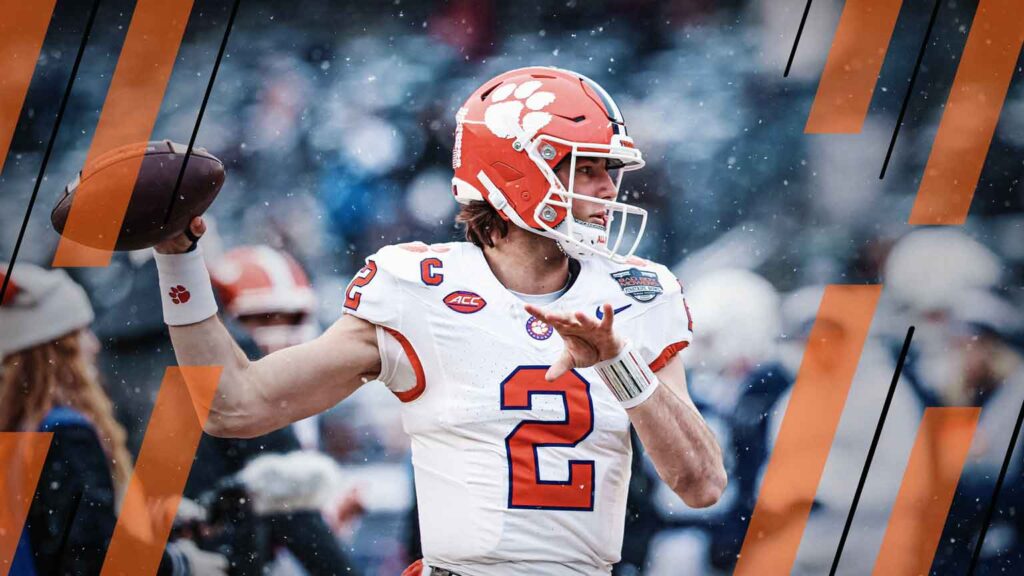
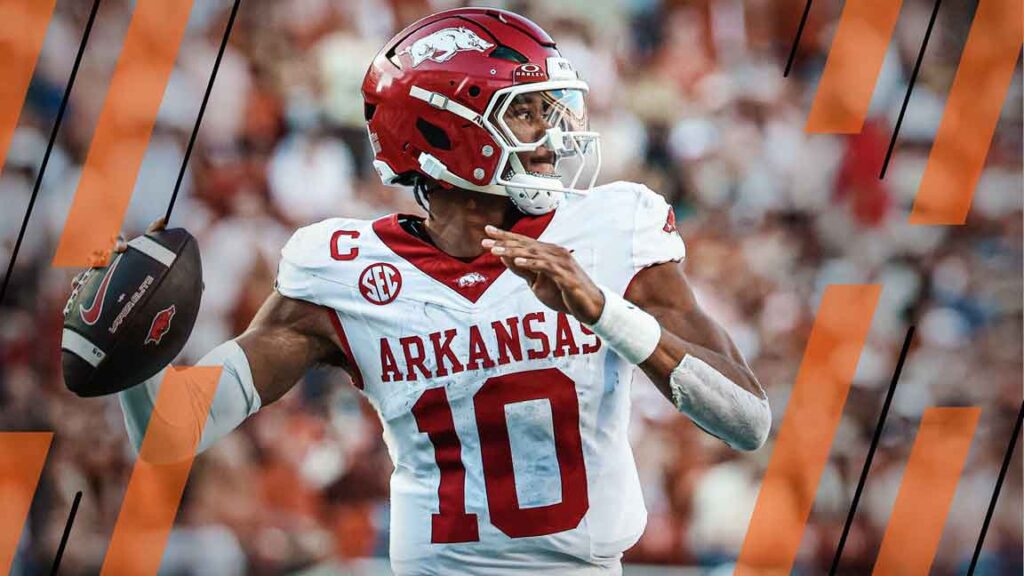

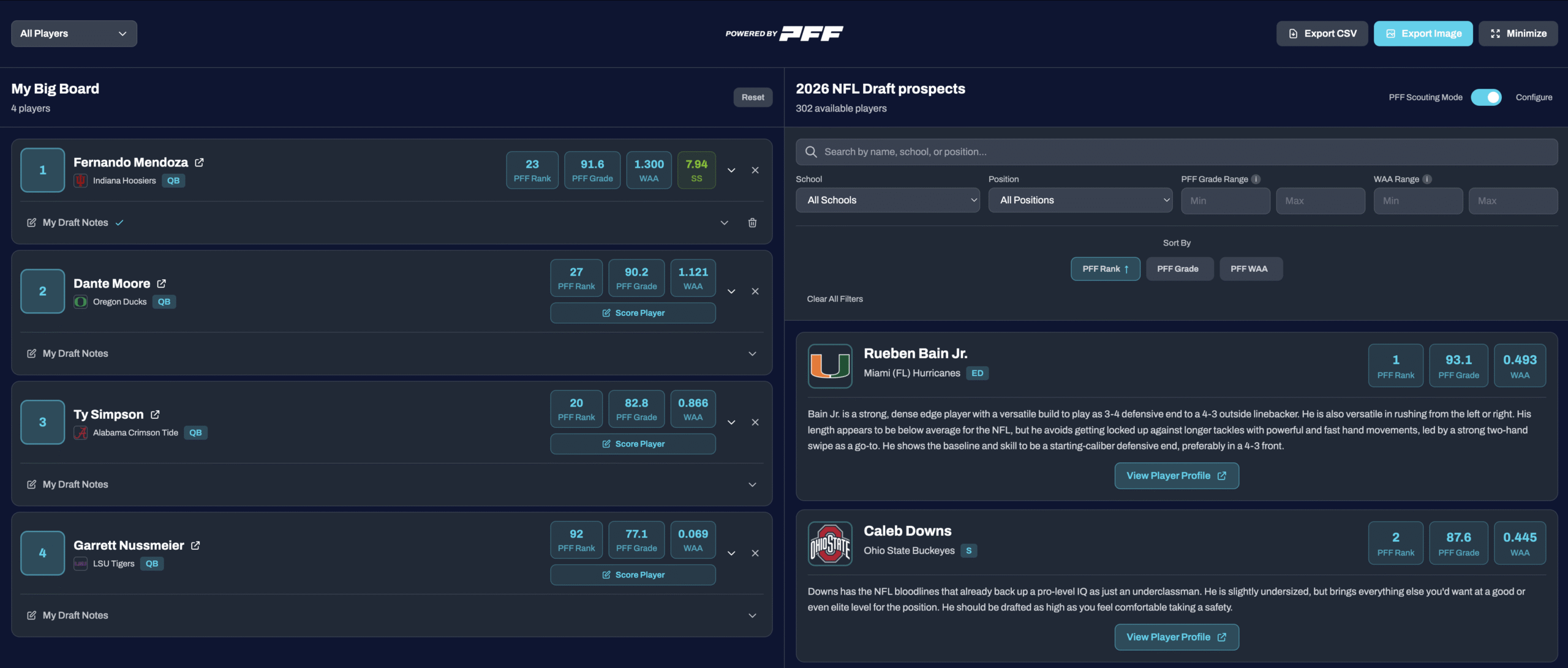
2. Ty Simpson, Alabama
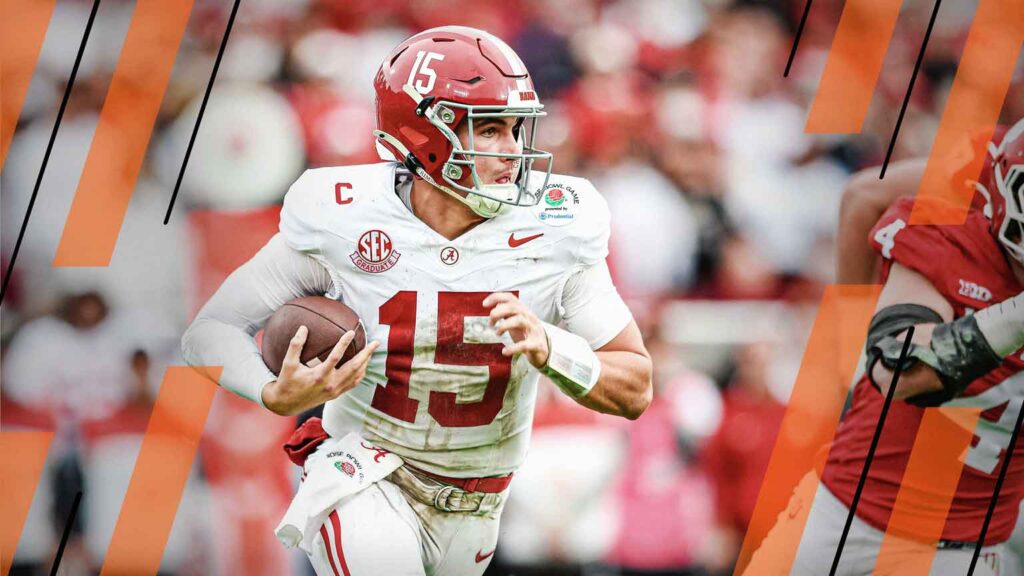
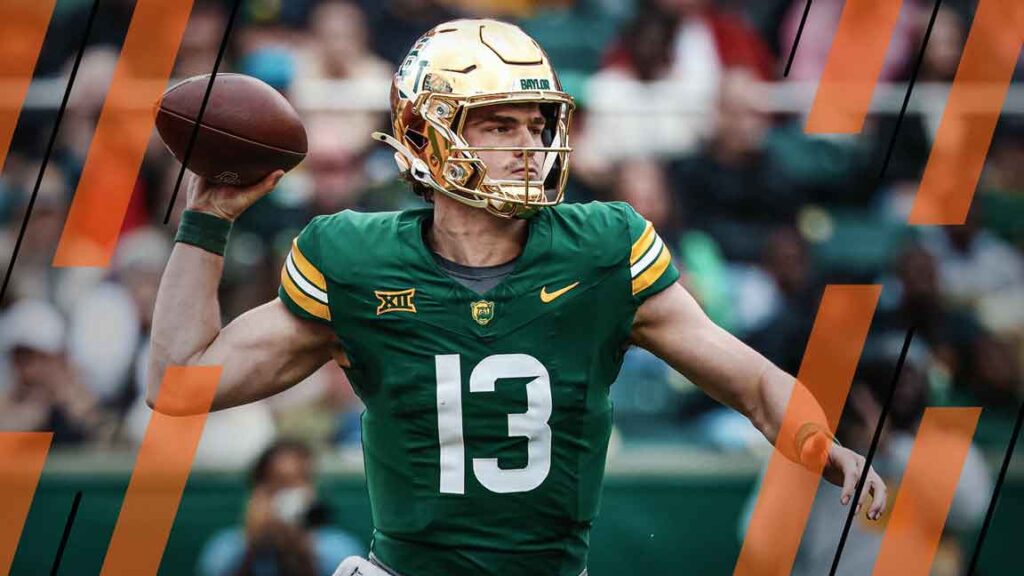
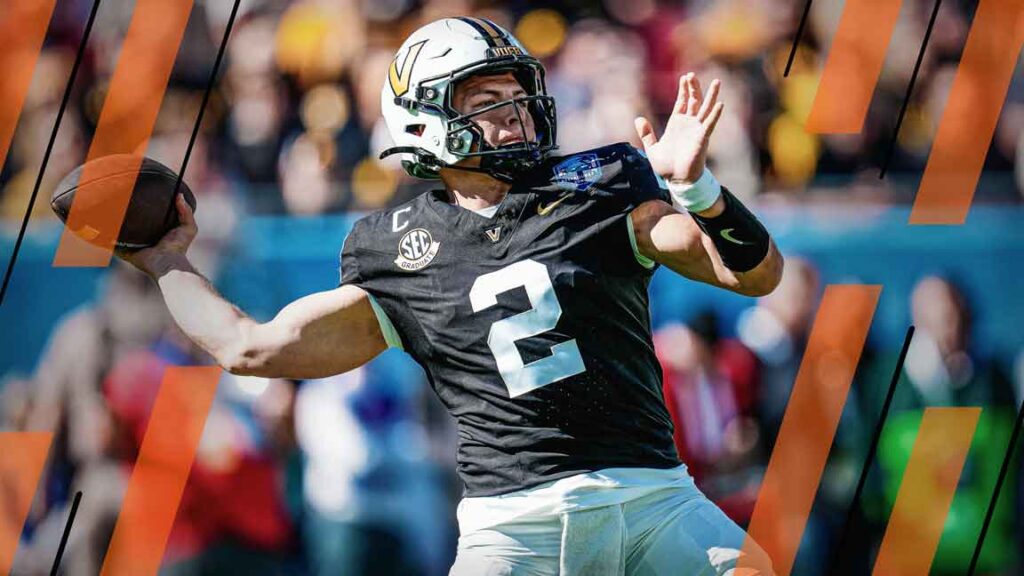
Simpson is expected to be selected in the first or second round of the NFL Draft but is unlikely to start as a rookie. Nearly every team either retained its starting quarterback from last season or added one in free agency, with the Raiders as the primary exception.
Simpson performs well when kept clean but struggles under pressure, according to the PFF draft guide. He shows strong mechanics and has flashed physicality on scrambles and designed runs, though rushing was not a significant part of his game, which limits his fantasy value.
Unless he is selected in the mid-to-late first round rather than the second, he is a player to avoid in the first round of dynasty superflex drafts. Arizona is an ideal landing spot, as the Cardinals offer a strong supporting cast and a veteran quarterback he could eventually replace.
Ideal landing spot: Arizona Cardinals
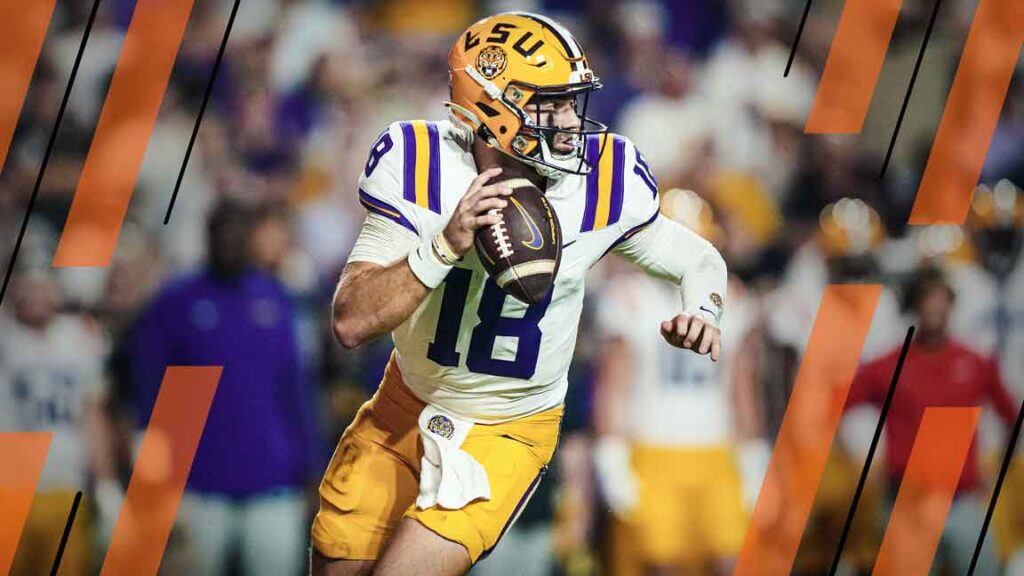
3. Garrett Nussmeier, LSU
Nussmeier ranks outside the top 80 on both consensus big boards and the PFF Big Board, suggesting he will likely be selected in the third round or later. The recent track record for quarterbacks taken in that range has not been strong from a fantasy perspective. Brock Purdy is the lone recent success story, while Davis Mills is the next-best example, logging two seasons as a starter in Houston but providing limited fantasy value, even in superflex formats. As a result, it is generally preferable to target players at other positions in that range of dynasty rookie drafts.
Nussmeier is an undersized quarterback who lacks mobility but shows strong pocket management and a willingness to push the ball downfield. If he lands in a situation where he is starting, he could produce usable fantasy numbers, particularly in pass-heavy game scripts.
Cleveland stands out as an ideal landing spot. While adding Nussmeier would further crowd the quarterback room, it may also offer a clearer path to playing time than most situations. His willingness to throw deep aligns with the traits already present in the Browns’ quarterback group.
Ideal landing spot: Cleveland Browns
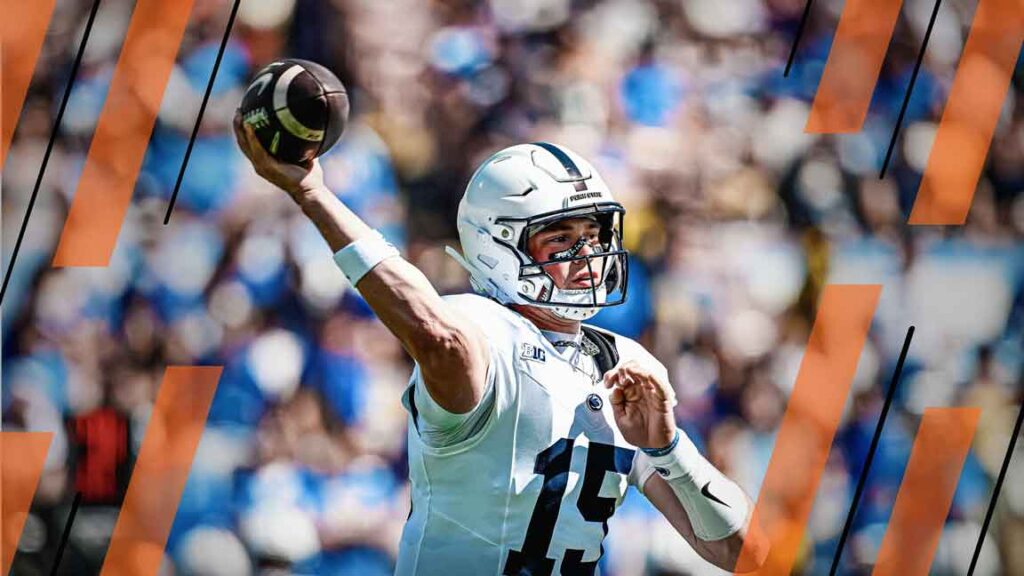
4. Drew Allar, Penn State
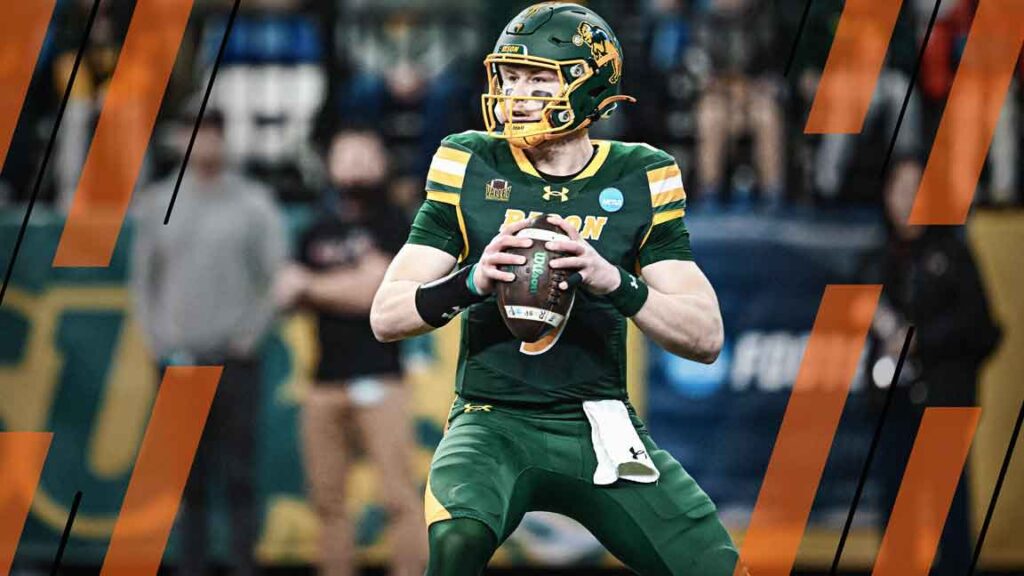
Allar fits the mold of a traditional quarterback prospect, with prototypical size and arm strength, but he lacks the decision-making and accuracy to be an immediate NFL starter. The PFF draft guide compares him to Carson Wentz, making a landing spot with a coach who has previously worked with Wentz — such as Jets offensive coordinator Frank Reich — a logical fit.
New York added Geno Smith this offseason, but has not made a significant investment in the backup role.
Ideal landing spot: New York Jets
5. Carson Beck, Miami (FL)
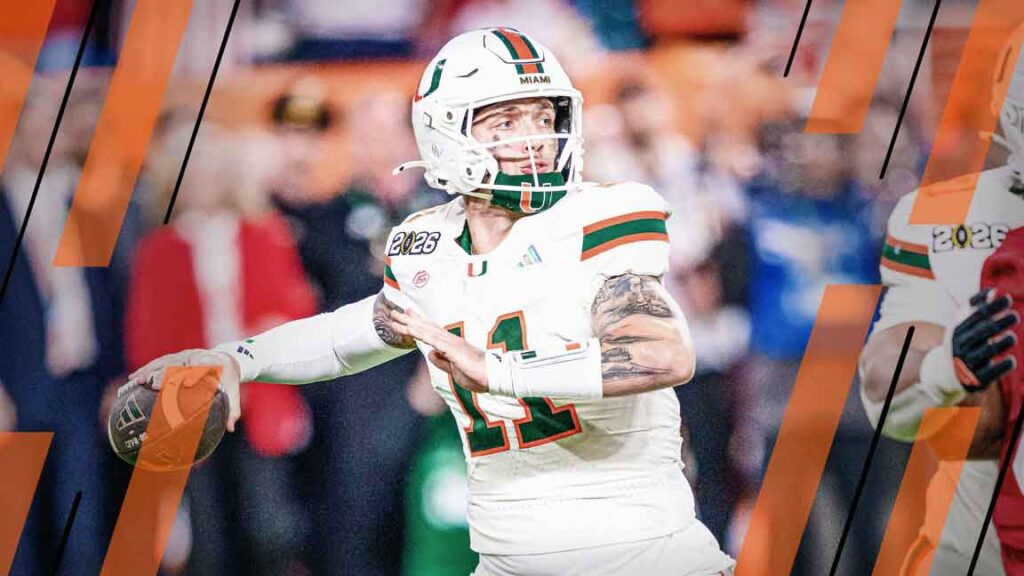
Beck is an experienced collegiate quarterback with solid pocket presence and accuracy when kept clean, but he lacks the arm strength and mobility to succeed when plays break down. Pittsburgh stands out as an ideal landing spot, as its strong pass-blocking offensive line could help mask those limitations while also offering a potential path to a future starting role.
Ideal landing spot: Pittsburgh Steelers


 © 2026 PFF - all rights reserved.