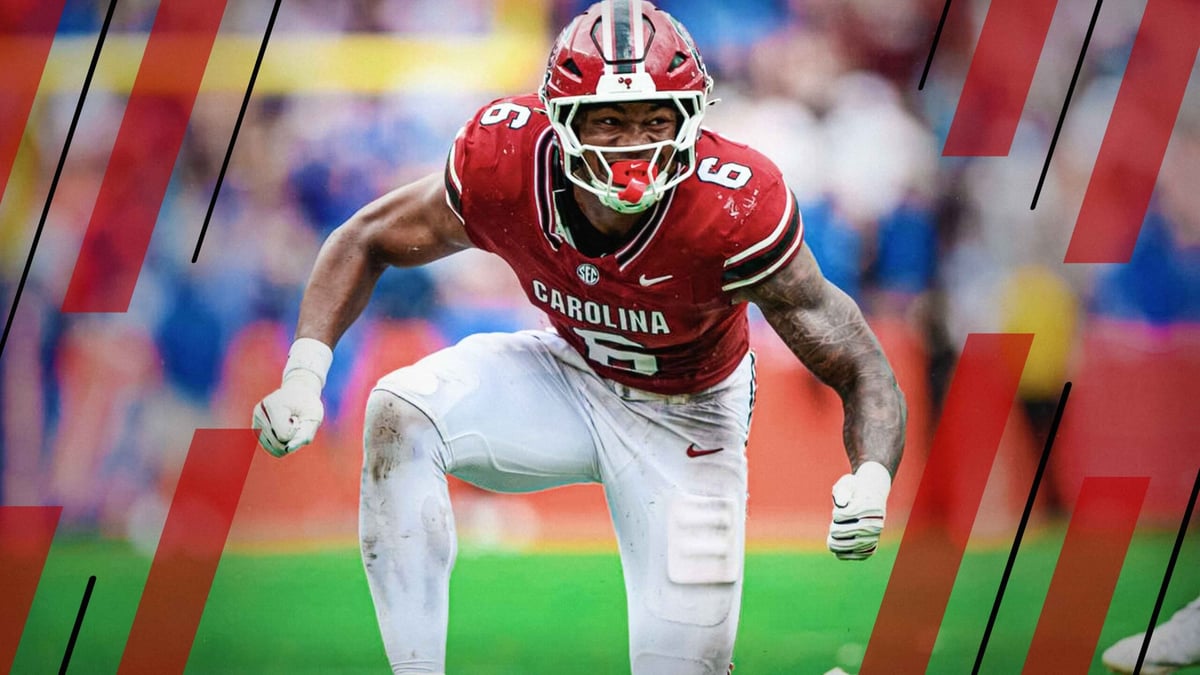
- A devastating first step: Dylan Stewart's initial get-off grants him a natural advantage over most tackles, particularly when combined with his outstanding bend.
- More work to do against the run: While Stewart has upped his PFF run-defense grade throughout his college career, he can remain too quick to get in the backfield on misdirection concepts.
- Lots of expected NFL interest: Teams picking in the top 10, including the Commanders and Chargers, could eye the South Carolina product.

It has been over 12 years since South Carolina standout pass-rusher Jadeveon Clowney was drafted first overall to the NFL. The school has produced four additional first-round picks since then, most notably Jaycee Horn at eighth overall in 2021.
Stewart is more likely to get drafted around Horn’s range than up at the very top like Clowney. While many consider him to be a blue-chip prospect, Stewart is a part of what is shaping up to be one of the stronger top-10 prospect crops of any draft class in recent memory.
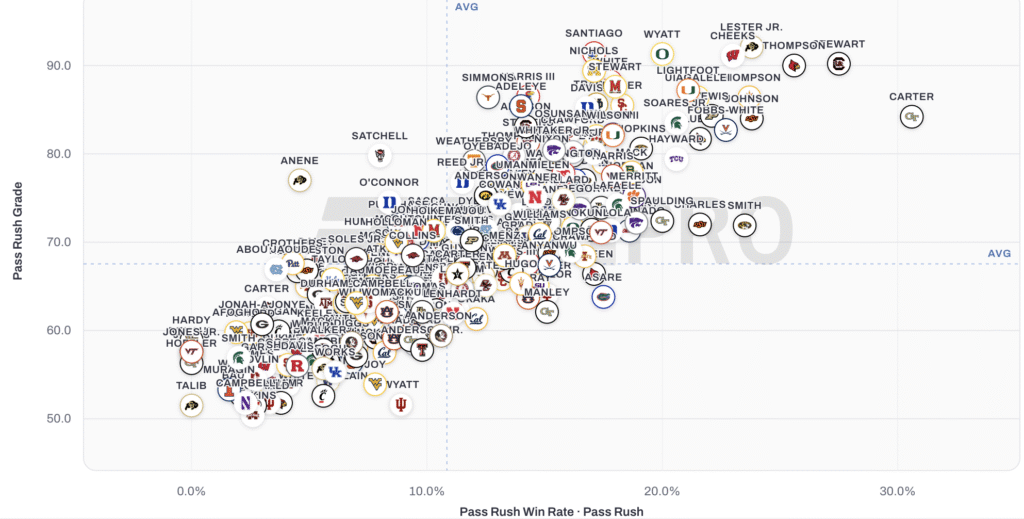
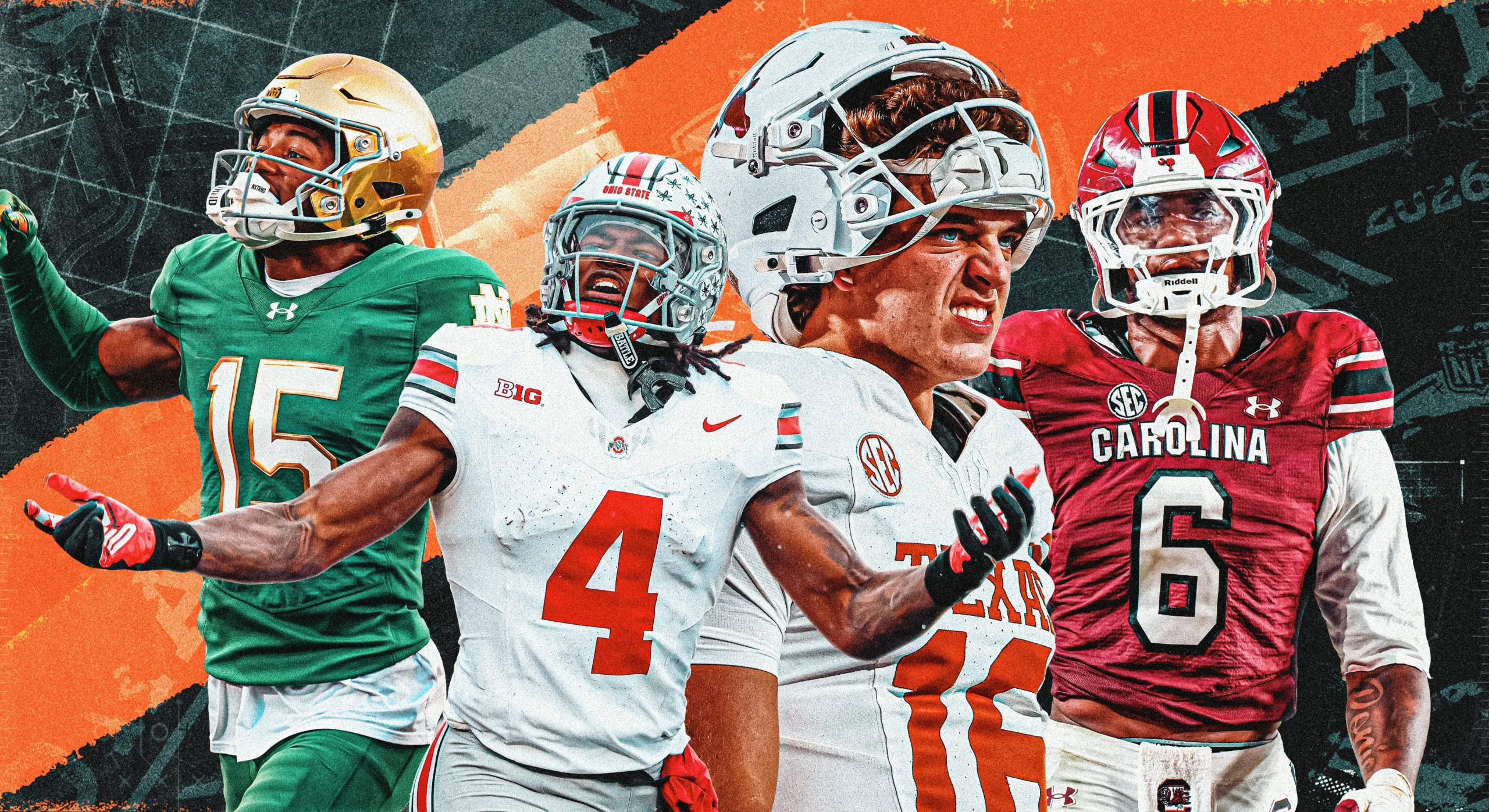
Stewart doesn’t even own the crown for the draft’s No. 1 edge defender on most boards, including PFF’s 150-player Big Board. That distinction belongs to Texas’ Colin Simmons. Simmons wins the college production debate over Stewart, but the latter possesses some of the most naturally gifted tools we’ve ever seen from a premier edge prospect.
Dylan Stewart: Draft info
Height: 6-foot-5
Weight: 250 pounds
Expected draft position: Top 10
Best film: 2024 Week 10 vs. Texas A&M
Stewart entered college football with sky-high expectations as the second-ranked edge defender in his recruiting class. He then met those goals immediately. His college football debut saw him record seven pressures, three sacks and a 94.6 PFF pass-rushing grade against Old Dominion, which still ties his career best as of October 2026.
It’s not fair to suggest things have gone downhill from there. As the competition ramped up, Stewart answered every question as a true freshman. He recorded five or more pressures in seven games as a first-year and was considered the best player on South Carolina’s defense by many.
Stewart then had a sophomore slump to some extent. His PFF pass-rushing grade dropped from 91.4 to 70.3, and he recorded 15 fewer pressures overall. A rollercoaster start to his junior year involved missing time due to injury, unsportsmanlike conduct penalties and finally a team-imposed one-game suspension for refusing to come off the field as well as fighting with coaches.
Aside from this surrounding noise, Stewart has been excellent when on the field, plus getting after the quarterback. His early production numbers are matching those from his freshman season; however, he does have some top SEC offensive tackles remaining on the calendar.
Where Dylan Stewart excels
Stewart’s first step is where any discussion of his game begins. He gets off the snap in blistering fashion, putting offensive tackles under immediate pressure to gain enough depth to protect their outside. When Stewart puts his hand in the dirt from wider alignments, getting out to meet him in time becomes a particularly difficult assignment. In many of Stewart’s pass-rushing wins, he often has the edge before either player has made contact.
Stewart has truly freakish bend for his size. At 6-foot-5, Stewart can get underneath a tackle’s outside shoulder and work back toward the quarterback without being carried harmlessly beyond the pocket or pushed off line. Very few college pass-rushers can take such a tight path around the edge while maintaining their balance and speed.
When contact is necessary, Stewart’s sheer length gives offensive tackles another problem for which to account. His long arms allow him to establish control of a tackle’s chest before they can lay a glove in the opposite direction. His hand usage still has room to develop, but the physical advantage is already apparent. Tackles have to deal with a rusher who can beat them in a variety of ways thanks to the physical gifts he possesses.
There is enough power in Stewart’s game to punish tackles who become too concerned with his outside rush and overstep. He’s not exactly Micah Parsons in this capacity, but he has shown the ability to bulldoze his way through the inside, turning his acceleration into force on contact. That part of his game is still developing, but it gives him a useful answer — especially against the supremely athletic offensive tackles littered across the NFL.
Stewart’s pursuit speed extends his influence beyond just racking up pressures. He can close ground quickly when a quarterback leaves the pocket and chase running plays from the backside. Athletic quarterbacks in college football are not Stewart-proof. He recorded sacks against Marcel Reed, Trinidad Chambliss and Kyron Drones in 2025. Getting outside the pocket does not necessarily mean getting away from Stewart, whose stride length allows him to cover ground like a wide receiver. If he elects to run the 40-yard dash in spring, he could post a jaw-dropping time.
Areas for improvement
For all the damage Stewart can cause off the edge, he remains more reliant on his physical ability than you would ideally like. His first step wins him plenty of reps at the college level, but the rush can stall when a tackle stays square and takes away the corner. He needs to become more comfortable stringing moves together rather than allowing the result of the rep to be decided by his first attempt.
Stewart can spend too long wrestling with blockers once they get into his frame. With his length, there is no reason for tackles to gain control of his chest as often as they do.
There are similar issues when teams run directly at him. Stewart is much more dangerous chasing a play from the far side than absorbing contact at the point of attack. His naturally high pad level leaves him vulnerable against double teams from jumbo sets. He has unquestionably improved against the run throughout college. His PFF run-defense grade jumped from 61.9 as a freshman to 79.0 last year. He retains some further untapped potential in this regard.
Stewart’s eagerness and aggression to get into the backfield has occasionally left him out of position against misdirection and option concepts. NFL offenses will be far more capable of recognizing when he has abandoned his responsibility to set the edge and punish him for it.
There will also be questions about Stewart’s maturity following the defeat to Alabama. He struck tight end Josh Ford in the helmet and was later involved in a heated exchange with South Carolina’s coaches on the sideline. The incident resulted in a one-game suspension, while Shane Beamer initially barred him from the team indefinitely.
It does not erase what Stewart has shown on the field, but NFL teams will want reassurance that it was an isolated loss of composure rather than part of a wider problem.
Best team fits
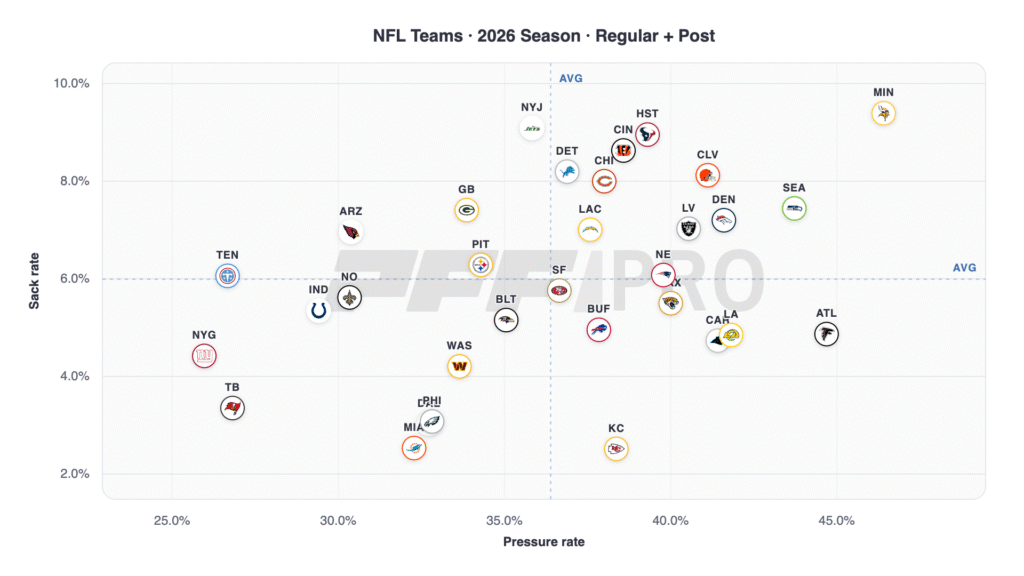
Playing a premium position means every team is in play for Stewart. It’s very rare for a team to wind up with a top10 draft pick and no real requirement for help on the edge.
Stewart is a native of Washington D.C., where the 2027 NFL Draft will be taking place. It would be quite the moment if the hometown Washington Commanders were to draft the hometown prospect on the National Mall. They signed Odafe Oweh to a $100 million deal over the offseason, but Stewart could be an option if K’Lavon Chaisson’s one-year, prove-it contract is not renewed.
The last two first-round picks from South Carolina have been drafted by the somewhat local Carolina Panthers. However, they could very well win the NFC South and make the playoffs, taking themselves out of Stewart’s range.
One of the best fits overall is the Los Angeles Chargers. Not only does their defensive scheme match what Stewart is already familiar with at South Carolina, but they’re still relying on 35-year-old Khalil Mack to lead the way on obvious passing downs. If the Chargers’ struggles continue, they’ll certainly be in range to take Stewart with their first pick.
NFL outlook
Stewart is one of those players who gets drafted at a premium regardless of how he looks on the field in college. Ever since high school, he has possessed the physical attributes that NFL general managers covet in the first round.
The fact that Stewart has put those tools to good use on several occasions while competing in the deepest conference in college football is evidence why he will be a top-10 draft pick.
There isn’t anything about his game to suggest he profiles in the same generational category as Myles Garrett once did as a prospect, but Stewart is comfortably among the best collegiate pass-rushers we’ve seen over the past decade.

 © 2026 PFF - all rights reserved.