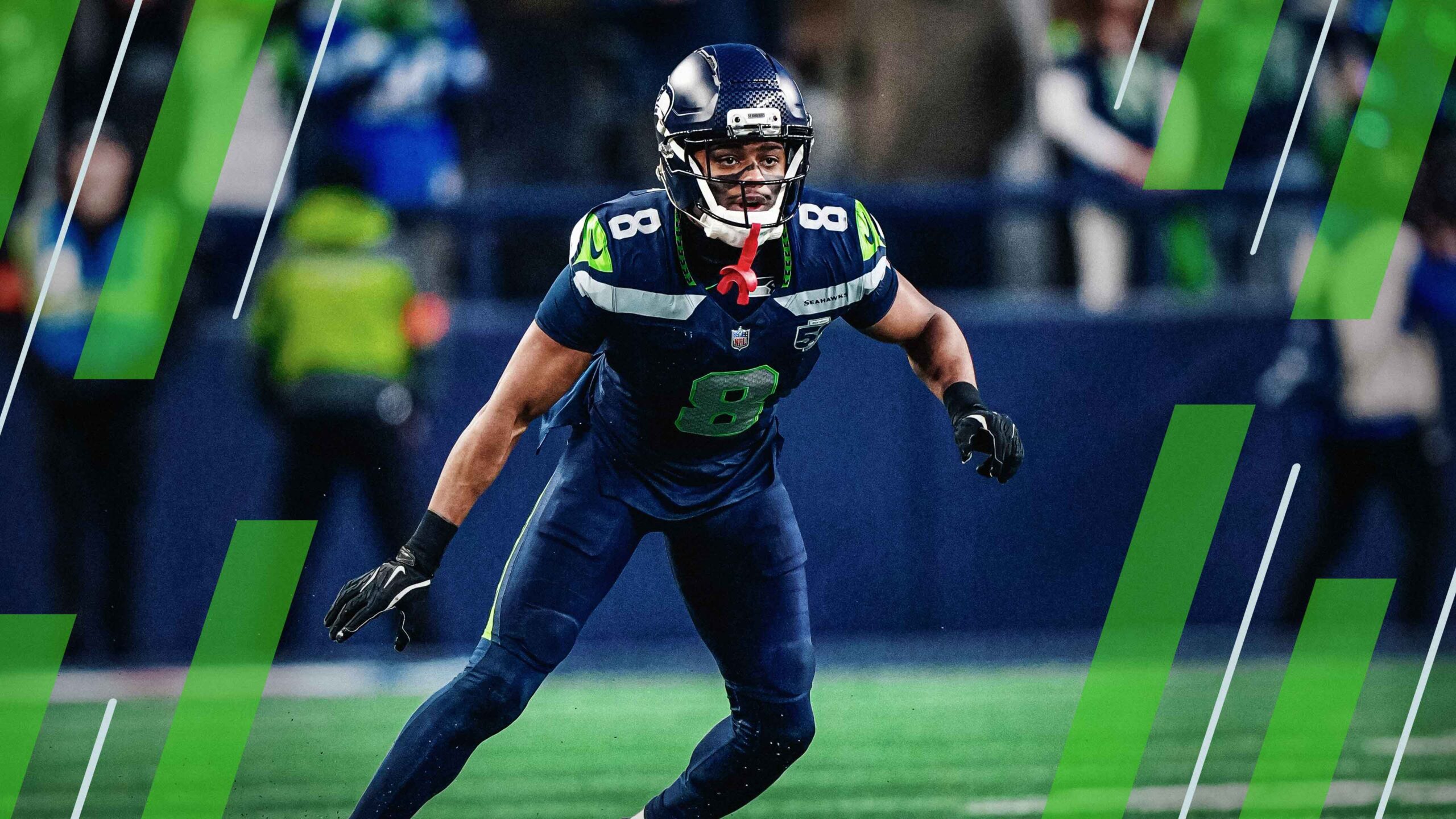
- The Patriots need Drake Maye to create explosives through multiple means: New England's MVP finalist will need to continue scrambling effectively, plus connect on deep passes.
- The Seahawks must improve their pass-game tackling: Seattle has missed the most tackles against the pass this season, and the Patriots rank second in yards after the catch per reception in the playoffs.
- 2026 NFL Draft season is here: Try the best-in-class PFF Mock Draft Simulator and learn about 2026's top prospects while trading and drafting for your favorite NFL team.
Estimated Reading Time: 22 minutes
After 271 regular-season and playoff games, the finale of the 2025 NFL season is here. Super Bowl 60 will be a spirited, if not unexpected, matchup between the Seahawks and Patriots in a battle between two of the league’s best all year.
What will New England need to accomplish to pull off the upset? Conversely, what must Seattle concentrate on in order to stay on its collision course with history? Below are three keys to victory for each side in Santa Clara.
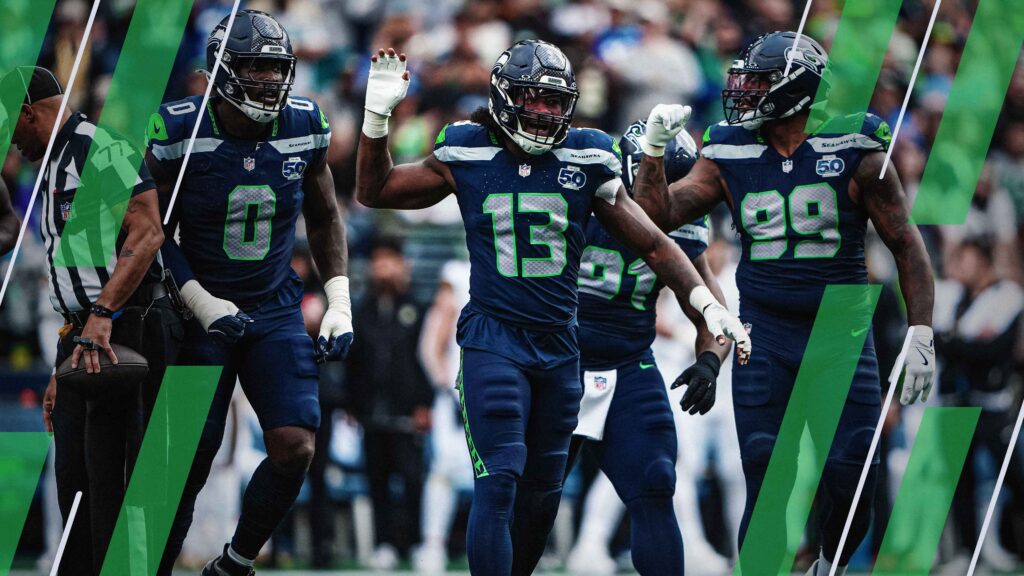
Seattle Seahawks
Clean play from Sam Darnold, especially under pressure
As the favorite in Super Bowl 60 by both odds and PFF’s Power Rankings, the Seahawks have extra responsibility to avoid self-inflicted wounds. Cardinal among those will be any type of error from Sam Darnold, who’s been squeaky clean in the postseason.
In the regular season, Darnold produced a 3.4% turnover-worthy play rate, which tied for the sixth-highest among qualified passers. But in the divisional round and conference championship, the Seattle quarterback committed only one turnover-worthy play across 59 dropbacks — good for a 1.6% clip.
The most focal area where Darnold has improved is keeping the ball secure under pressure. When under duress in the playoffs, Darnold has improved his PFF passing grade from 48.6 to 68.8, and his turnover-worthy play figure has dropped from 5.2% to 0%. That bodes well against a New England unit that leads all playoff defenses in pressure rate (51.9%).
The free-agent addition turned a corner against the Rams two weeks ago, exorcising some demons against Chris Shula’s group with only one turnover-worthy play. If Darnold continues to not put the ball in harm’s way, it should allow Seattle to maintain methodical possessions that complement its elite defense. Cumulatively, that should add up to a victory.
Force quick decisions from Drake Maye
The arrival of the postseason has presented a vastly different version of the Patriots’ offense, as one of the most dynamic in the regular season has been significantly less effective in late January. Lots of that stems from worse play from Maye (more on that in a bit), but he’s still capable of carrying New England on the sport’s grandest stage when given ample time in the pocket.
Maye's ascendance this season has involved him making plays while holding onto the ball. More specifically, his 90.0 overall PFF grade on dropbacks taking 2.5 seconds or longer is the second-highest among qualified quarterbacks, trailing only fellow MVP finalist Matthew Stafford. Perhaps it’s not shocking that 64.7% of Maye’s dropbacks have been on longer passes, the second-most of any starting passer.
Meanwhile, the second-year gunslinger has been worse on faster-developing passes. Maye’s 72.4 overall grade on dropbacks under 2.5 seconds falls to 18th among qualifiers, and his big-time throw rate plummets from 7% to 2%. In the postseason, Maye has also had more trouble avoiding sacks on shorter dropbacks, being sacked on three of eight quick pressures. In simpler terms, the New England star has not been nearly as dynamic when the ball has to be released quickly.
Consequently, Seattle may be able to make Maye uncomfortable by getting after him hastily: The Seahawks have generated the third-most quick pressures (243) of any defense this year. If Mike Macdonald’s bunch harasses Maye fast and keeps rush lane integrity to suffocate scrambles, it should play favorably.
Home in on tackling, particularly against the pass
It’s hard to adequately sing the praises of Seattle’s defense, which sits third in EPA per play, success rate and overall PFF grade and is second in scoring drive rate. But for as stout as the group has been all year, tackling hasn’t necessarily been a forte.
It may surprise you to learn that the Seahawks have missed 162 tackles, the 12th-most of any defense. Likewise, Seattle’s 47.7 PFF tackling grade ranks 19th. Three Seahawks (Drake Thomas, Coby Bryant and DeMarcus Lawrence) have all missed 16 or more tackles this season.
The big tackling problem for Seattle has been its ability to wrap up through the air. In particular, the Seahawks own the most missed tackles (102) of any team against the pass, which has yielded a below-average 5.2 yards after the catch (YAC) permitted.
New England’s deep receiving corps hasn’t been spectacular at manufacturing extra yards, tying for 13th in yards after the catch per reception (5.2) throughout the entirety of the year. But in the playoffs, that figure has climbed to 6.4 extra yards per catch. Individually, Rhamondre Stevenson (14.1 YAC per reception) and Demario Douglas (11.0) have flourished with the ball in their hands, and five total Patriots have recorded at least a 6.0 average.
The Seahawks have missed only 14 tackles through two playoff games, which is a step in the right direction. Seattle will need to proliferate that and prevent small completions from becoming field-flipping gains in order to capture the Lombardi Trophy.



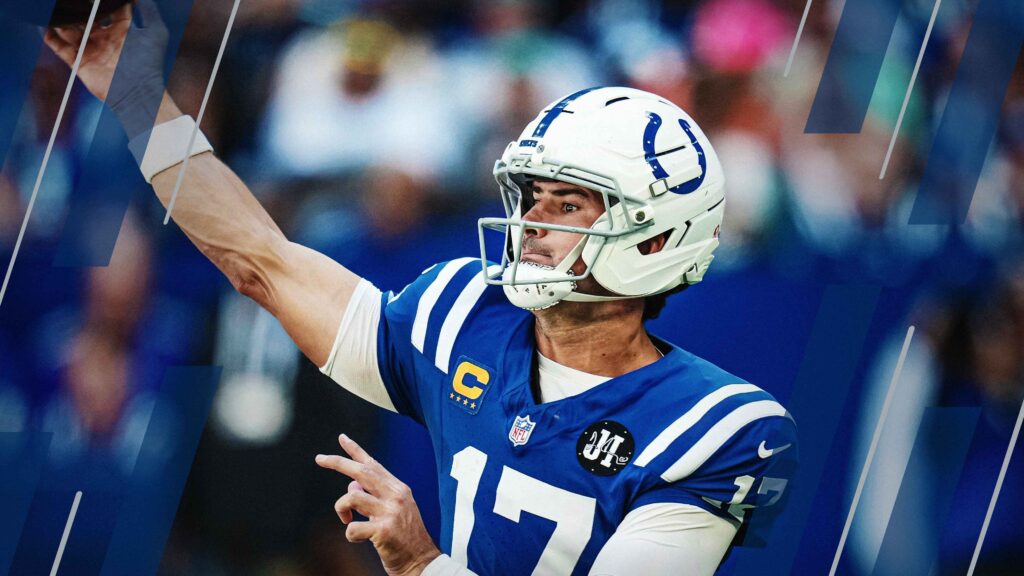



New England Patriots
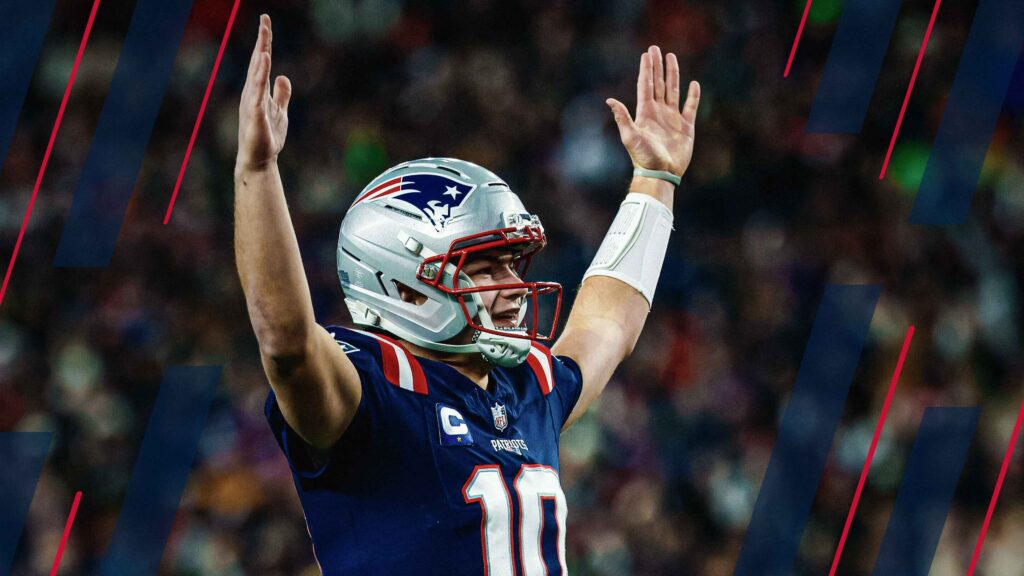
Lean on Drake Maye’s legs
Playing against three elite defenses in the Chargers, Texans and Broncos assuredly doesn’t help, but Maye has been poor by his own accord in the playoffs with a 44.8 PFF passing grade and more turnover-worthy plays (5) than big-time throws (4). Although the Patriots’ offense has scored on only 23.7% of its playoff drives thus far and is averaging 4.4 yards per play, Maye’s legs have been a bit of a saving grace.
Scrambles have been a key weapon for the sophomore quarterback all year long, especially in the playoffs. In three postseason games, Maye has scrambled nine times for 125 yards while picking up six first downs and forcing five missed tackles. All told, Maye has produced an outstanding 92.5 PFF rushing grade when taking off and running — and that aspect of his game has helped sustain drives when little has been open downfield.
While other quarterback runs haven’t been quite as favorable for Josh McDaniels’ unit in the playoffs — Maye has registered a 52.0 non-scrambling rushing grade in those three games — there have still been some productive plays when No. 10 has been involved on the ground. Consider Maye’s rushing touchdown on a QB Draw against the Broncos, as well as his famously impromptu read option to seal New England’s AFC title.
Scrambling against Seattle generally hasn’t been fruitful for opposing quarterbacks, with the Seahawks ranking fifth in yards per carry allowed (5.7) and first in success rate against a league-high 55 scramble attempts. But on an offense that could again face tough sledding through the air, New England’s best remedy may very well be letting Maye create on his own.
Find explosives through the deep ball
As discussed prior, the Patriots’ offense has been woeful through the air in the playoffs with a 31.1% success rate — over 12 percentage points lower than the team’s regular-season mark. However, New England has still been able to connect on some of its tried-and-true deep shots.
During Maye’s run at the league’s MVP award, his deep ball has been perhaps his most lethal asset. Across the regular season and playoffs, Maye ranks second among qualified quarterbacks in deep PFF passing grade (98.1) with the second-best adjusted completion percentage (51.9%) and lowest turnover-worthy play rate (1.1%).
Despite the regular season reaching its conclusion, Maye has still been dynamic on passes of 20 or more yards. In the postseason, Maye has completed 4-of-15 deep attempts but sports an 81.1 passing grade with four big-time throws. While Maye has had issues with ball security under pressure and accuracy, he hasn’t been fazed attacking formidable defenses deep. His touchdown pass to Kayshon Boutte against Derek Stingley Jr. in the divisional round is a prime example, although his downfield passing was more futile against the Broncos.
Unsurprisingly, Seattle’s unreal defense has guarded deep attempts well. This year, the Seahawks have the seventh-best PFF coverage grade on throws of 20 or more yards, and their 15 pass breakups are the third-most.
At the same time, Macdonald’s defense has yielded 14 explosive passes through only two playoff games, with seven of them coming on deep attempts — which could open the door for the Patriots. Overall, New England’s chances of victory will be bolstered significantly if Maye can connect on at least a handful of chunk plays down the field.
Force Seattle into long third downs
The trope of confining teams into long third downs has been preached by football coaches for quite some time, and especially so in contemporary seasons. While it may be slightly cliché, it certainly applies in a game like this — especially as the splits reveal.
The Patriots’ defense has the unenviable task of slowing down Klint Kubiak’s offense, which is top-10 in both EPA per play and success rate this year. The Seahawks have devastated opponents through both the pass and run, and much of their success is rooted in having short third-down tries.
Indeed, the Seahawks lead the NFL in conversion rate on third-and-6 or shorter (64.4%). Not coincidentally, Seattle has done well to establish those easier conversion attempts. The Seahawks average 5.8 yards per play across first and second down — tied for the second-most in the league — and are fourth in early-down success rate.
For as great as Kubiak’s bunch has been when closer to the sticks, the team has not been particularly effective on longer third downs. Seattle’s conversion rate falls to 21.6% on third-and-7 or longer, which is the fourth-worst in pro football.
Intriguingly enough, the Seahawks have faced more long third downs (12) than short ones (11) in the postseason, and they’ve improved their conversion rate on the former to 33.3%. Nevertheless, the Patriots will gain a definitive advantage if they can force negative plays on early downs — establishing situations in which Darnold & Co. have largely been flummoxed.


 © 2026 PFF - all rights reserved.