- The traditional slot receiver role faces schematic compression: League-wide usage of 11 personnel plummeted to a three-year low of 58.11% last season, severely limiting the snap floors and weekly target volume ceilings for secondary WR3 options.
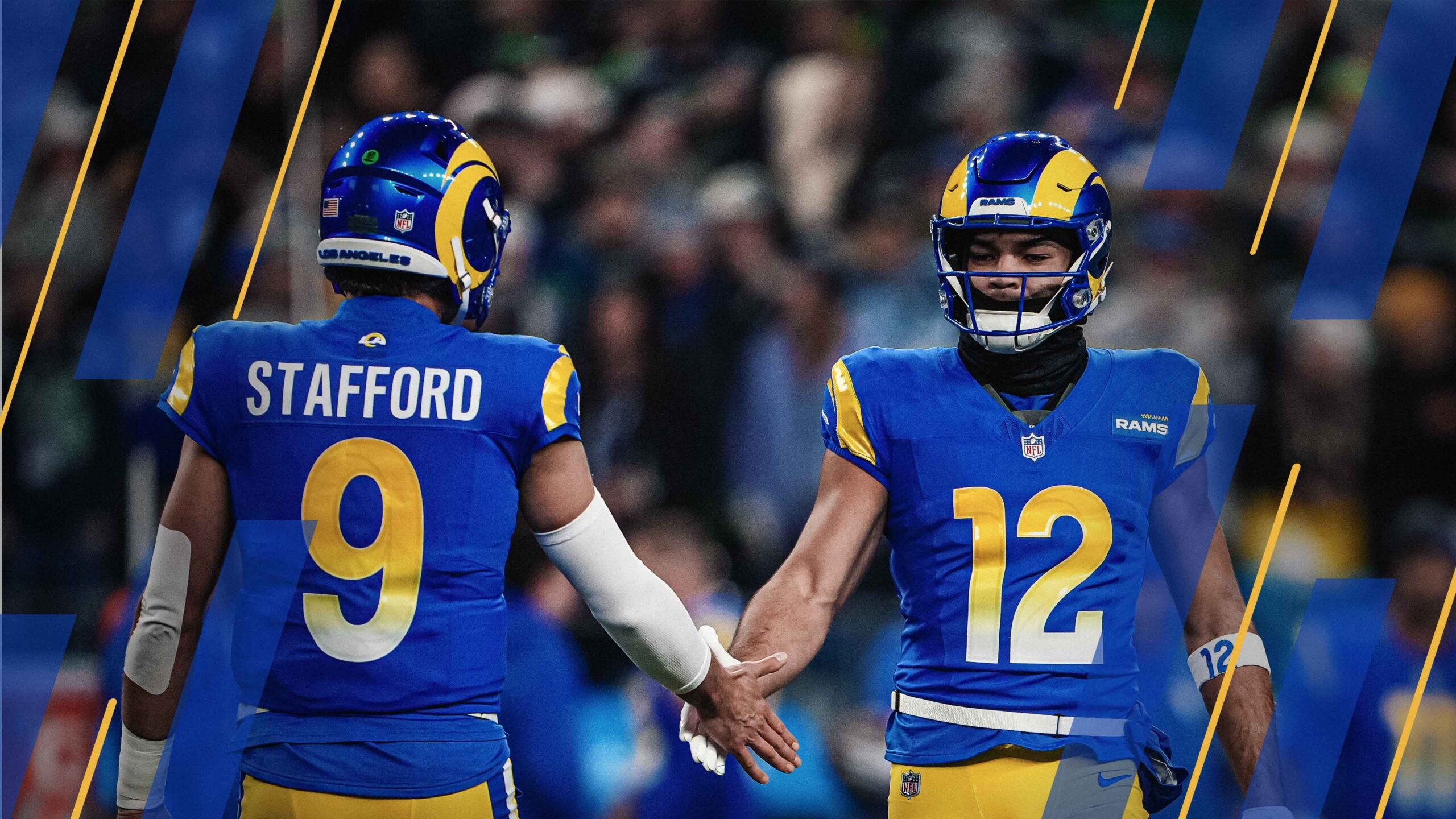
- The Rams pioneer an unprecedented tight end trend: Los Angeles completely inverted modern convention by pacing the NFL with a massive 410 offensive snaps out of 13-personnel packages, signaling a major philosophical shift under Sean McVay.
- Heavier packages concentrate touch-friendly environments: Formations utilizing fullbacks and multiple tight ends, such as 21 and 22 personnel, heavily isolate team volume by reducing perimeter target competition, benefiting No. 1 options.

Offensive-minded head coaches and coordinators have steadily reduced their reliance on three-wide receiver sets in recent seasons, instead leaning more on heavy and condensed personnel groupings. As a result, rotational players — particularly No. 3 wide receivers — have become less reliable and increasingly difficult to trust in fantasy lineups.
So, as offenses lean more into heavy personnel packages, fantasy managers can gain an edge by identifying No. 1 skill players and No. 2 wide receivers facing less competition for touches.
This article examines league-wide trends and team-specific outliers across 11-, 12-, 21-, 22-, and 13-personnel groupings. Rates are used for all groupings except for 13, which uses totals. Offensive play volume and no-huddle tendencies were explored previously, with additional offensive trends to be examined in future studies.
Offensive personnel grouping averages and outliers from 2023-25
| Averages | 2025 | 2024 | 2023 |
| 11 Personnel | 58.11% | 62.30% | 63.36% |
| 12 Personnel | 24.26% | 23.01% | 20.43% |
| 21 Personnel | 6.85% | 6.41% | 7.55% |
| 22 Personnel | 3.00% | 2.31% | 2.00% |
| 13 Personnel | 65.06 | 44.63 | 46.13 |
The NFL’s declining usage of 11 personnel continues to shrink the pool of fantasy-viable No. 3 wide receivers. Receivers who technically hold starting roles in three-wide sets but operate primarily from the slot could be at risk of posting career-worst fantasy seasons.
Meanwhile, the league’s increasing reliance on 12 and 21 personnel — both two-wide receiver formations — has created more volatility for No. 2 wide receivers. When one player clearly establishes himself as the full-time secondary option and rarely rotates off the field, reliable fantasy production can follow. However, teams that cycle multiple players through the No. 2 role often create inconsistent and difficult-to-trust fantasy outcomes.
The NFL’s usage of 22 personnel continues to trend upward, while 13 personnel has grown even more significantly. Wide receivers who firmly secure their team’s No. 1 role while maintaining access to snaps in 22 and 13 personnel packages can offer elite fantasy upside because those formations naturally reduce target competition from other wide receivers.


 © 2026 PFF - all rights reserved.