- Denzel Boston sets the standard: The Washington standout led all draft-eligible receivers in PFF grade (89.7) against man coverage. His massive frame and elite body control made him a nightmare in the red zone, where 14 of his 17 touchdowns over the last two seasons came against man looks.
- Jordyn Tyson’s elite volume: Arizona State’s Tyson proved he is a target magnet in single coverage, posting a 43.6% target rate that led all Power Four receivers. His reliable hands were on full display as he secured every single one of his 23 catchable targets against man coverage this past season.
- 2026 NFL Draft season is here: Try the best-in-class PFF Mock Draft Simulator and learn about 2026's top prospects while trading and drafting for your favorite NFL team.
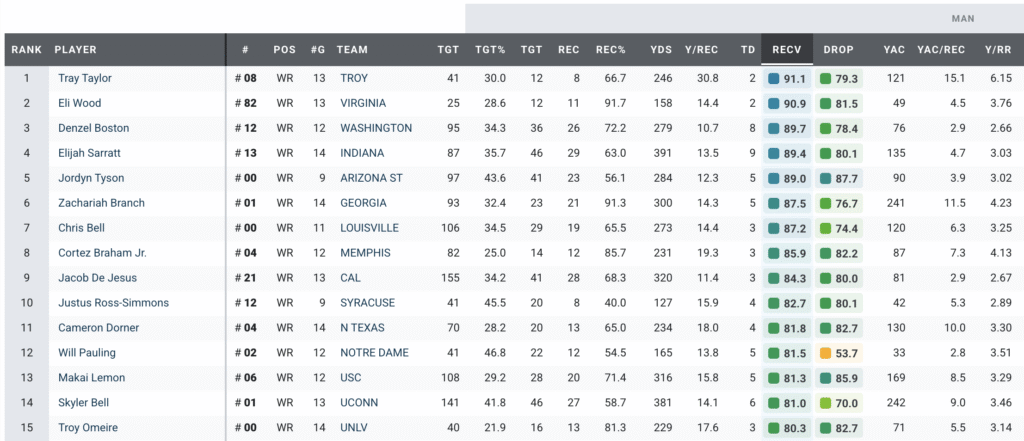
Man coverage remains a clear stress test for wide receivers entering the NFL. It forces prospects to win on their own — whether through their release, route running or control at the catch point.
PFF research has also shown that performance against man coverage is a more stable predictor of success than performance against zone. In man, matchups are more direct, and the better player will consistently come out on top — whether that’s a wide receiver creating separation or a cornerback shutting him down.
Evaluating production against man coverage can highlight traits that tend to translate early at the next level and identify receivers who are likely to succeed regardless of the offensive scheme they end up in.
You can also find our list of the five best cornerbacks in man coverage by clicking here.
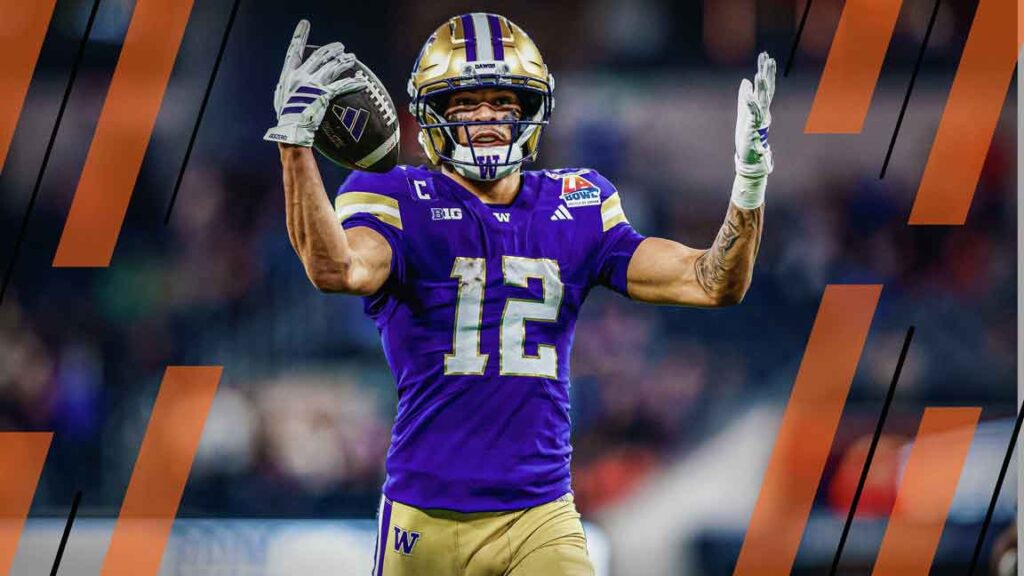
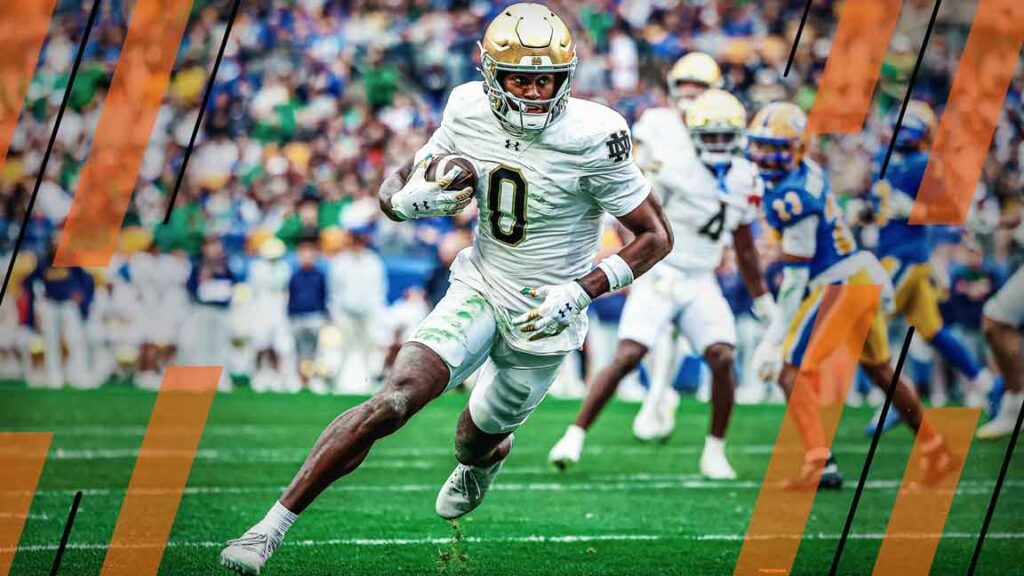
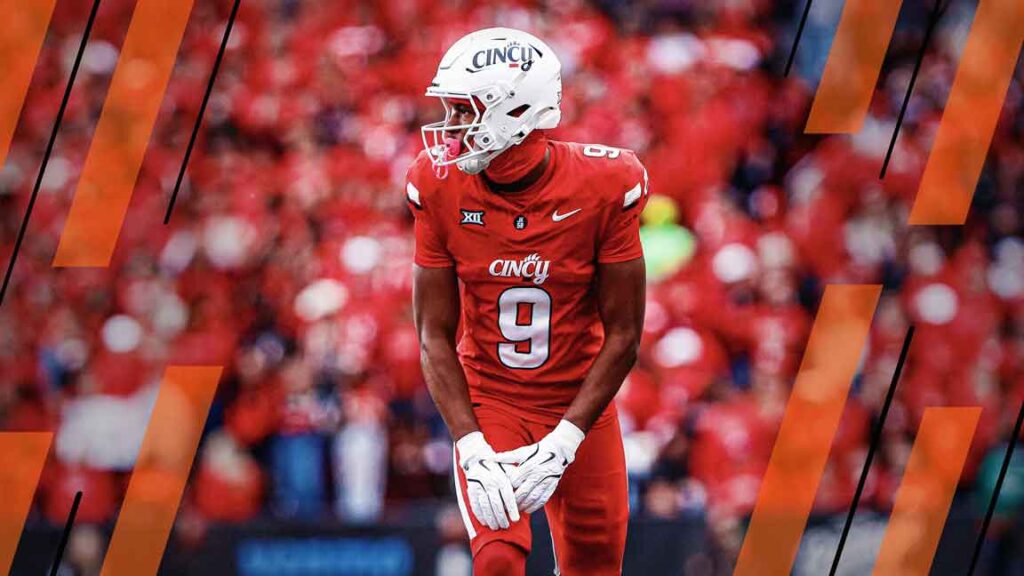
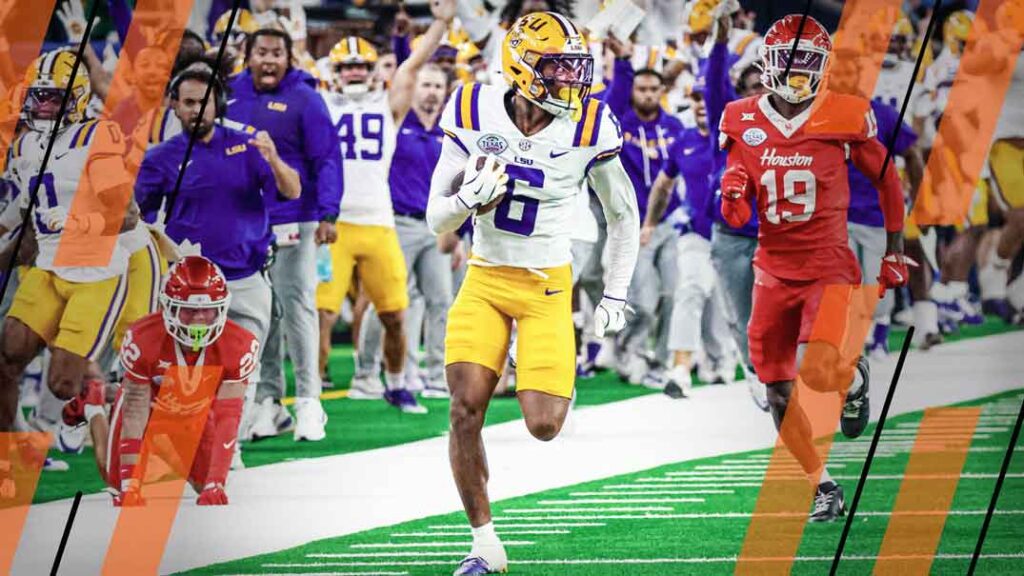
Denzel Boston, Washington
Boston is one of the biggest wide receivers in this class, and he consistently leverages that size advantage in man coverage. He led all draft-eligible wide receivers in PFF receiving grade versus man coverage (89.7).
He was particularly effective at the catch point, securing seven contested catches on nine such targets. One of the top red-zone threats in the draft, 14 of Boston’s 17 receiving touchdowns over the past two seasons came against man coverage.
His 26 receptions versus single coverage were not the most in college football last season, but his 23 first downs led the nation. When Washington quarterback Desmond Williams Jr. identified man coverage, Boston was the primary target.
His ability to win in these scheme-independent situations could push him into the back end of the first round.
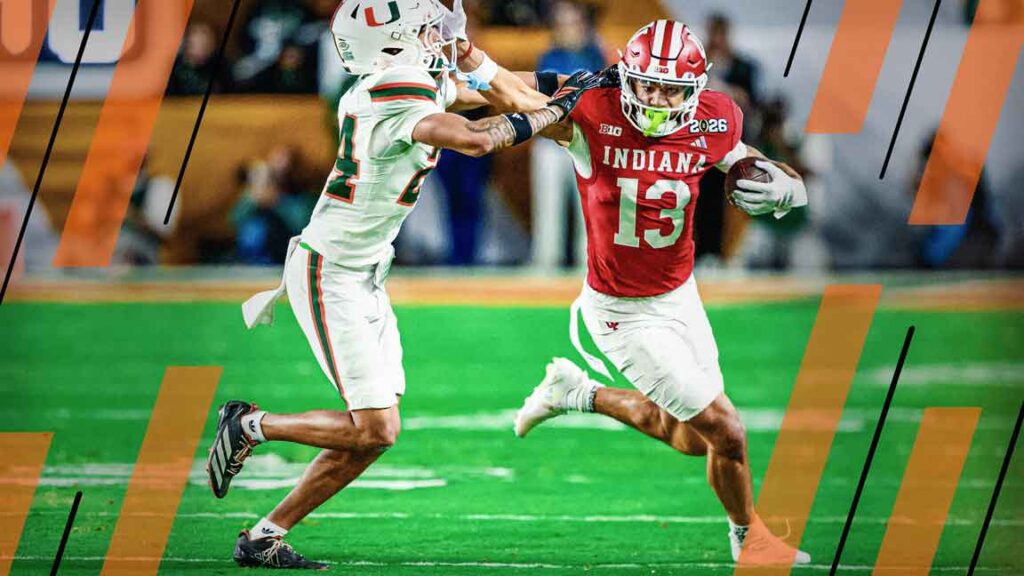
Elijah Sarratt, Indiana
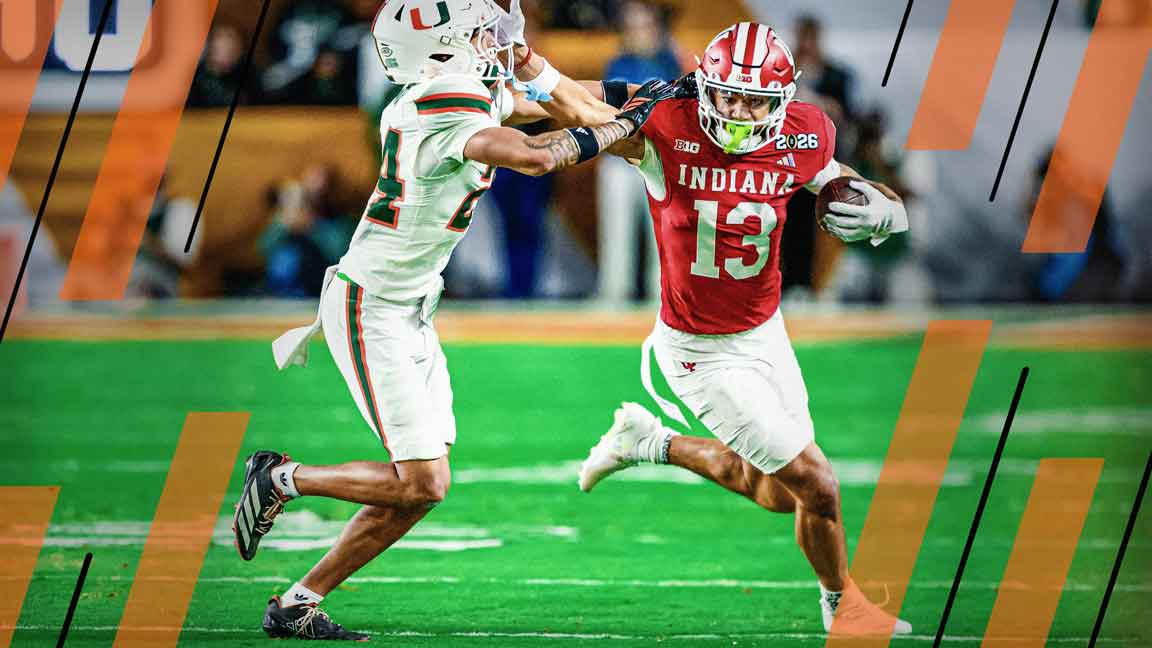
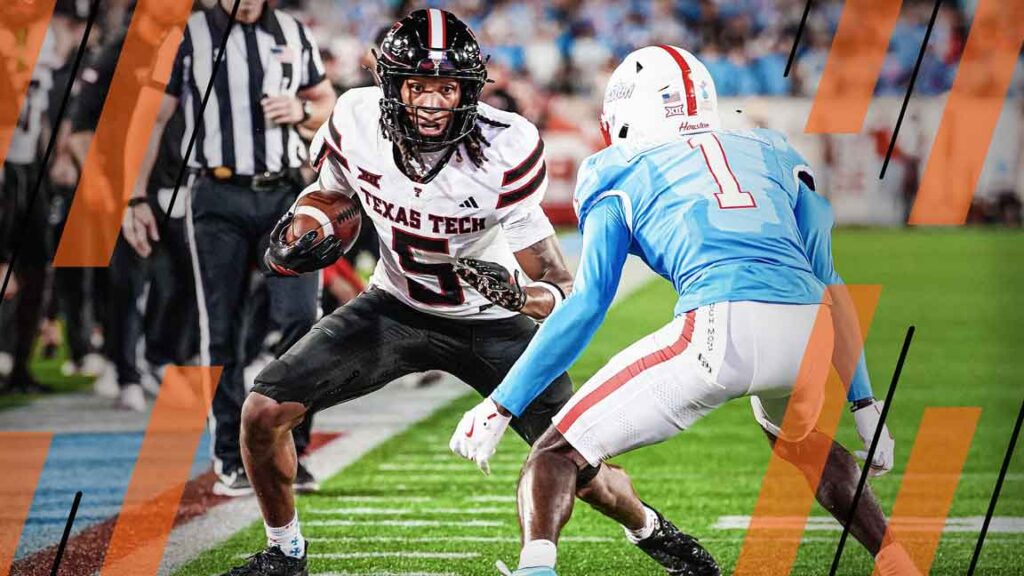
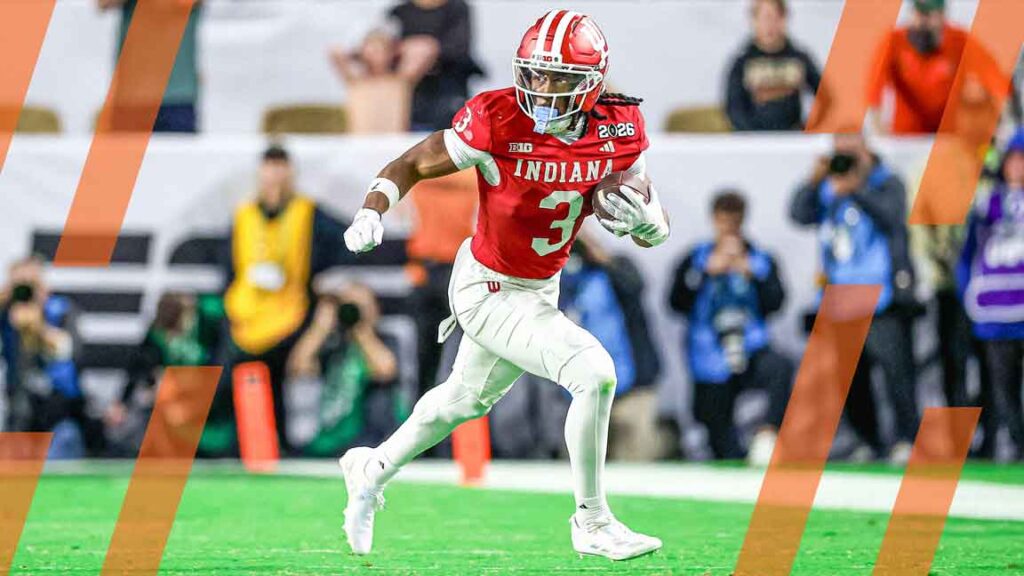
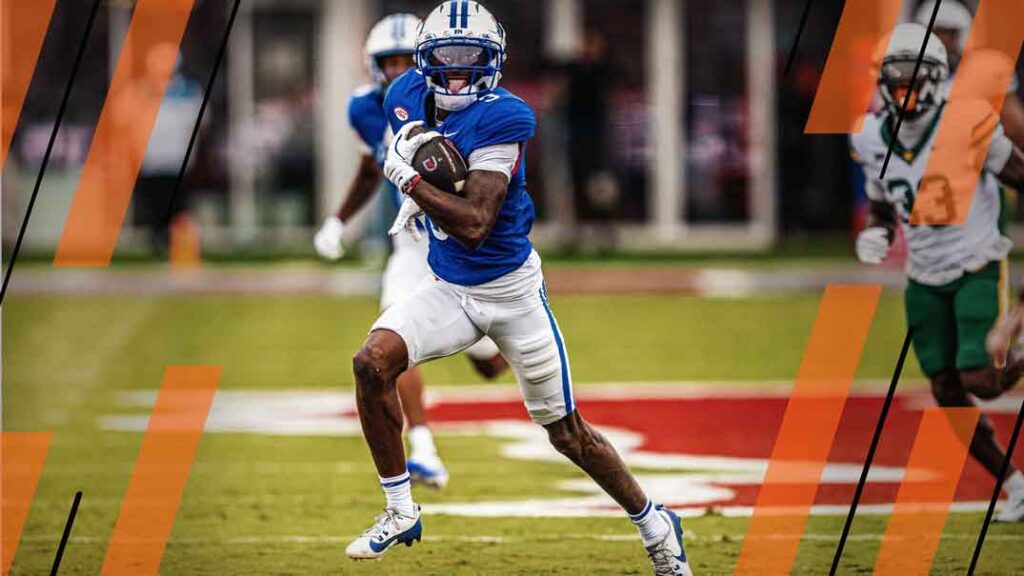
The national champion Hoosiers were dominant against man coverage down the stretch last season. Sarratt led all draft-eligible wide receivers in receptions (29), receiving yards (391) and receiving touchdowns (9) versus man coverage. One of the few college receivers to earn a higher grade than Sarratt in single coverage was teammate and underclassman Charlie Becker.
Likely first overall pick Fernando Mendoza consistently showed trust in Sarratt, who saw 23 contested targets in man coverage, many on jump balls and back-shoulder fades. The next closest player in this draft class had 14.
Sarratt secured just eight of those 23 contested targets, but the volume speaks to Mendoza’s confidence in him to win in single coverage. Despite his larger frame, Sarratt’s 4.53-second 40-yard dash at his pro day last week answered questions about his long speed at the NFL level.

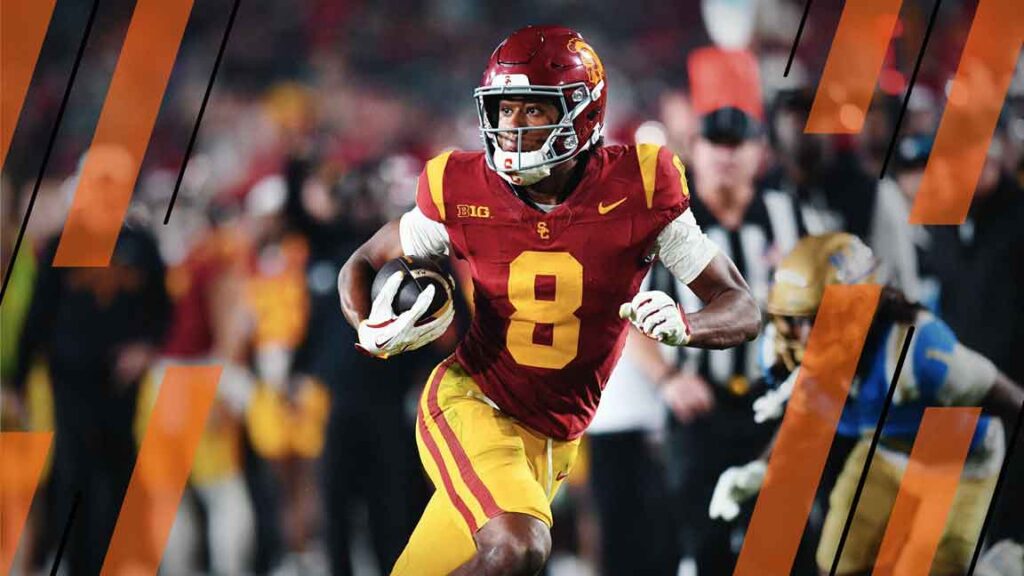
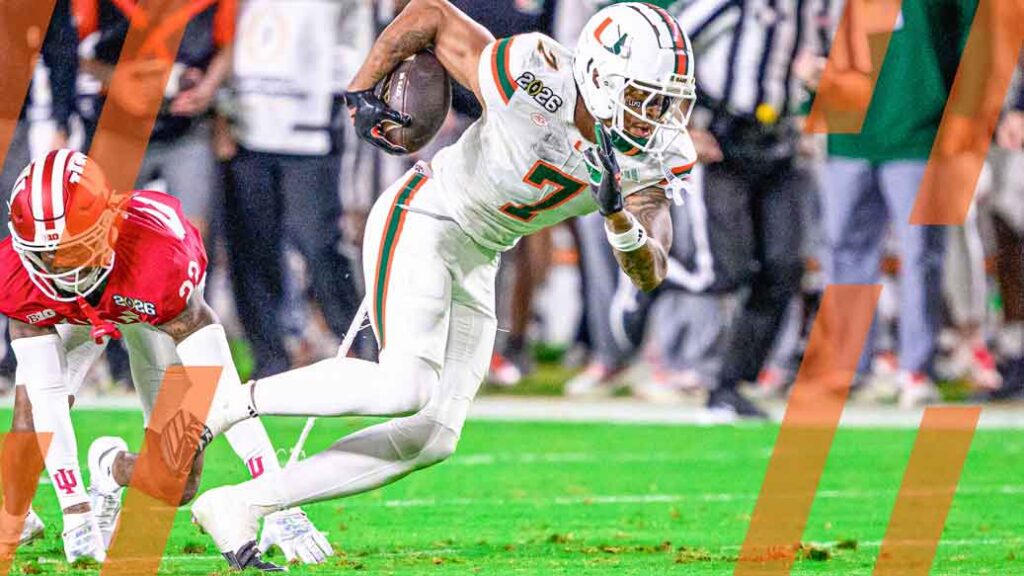
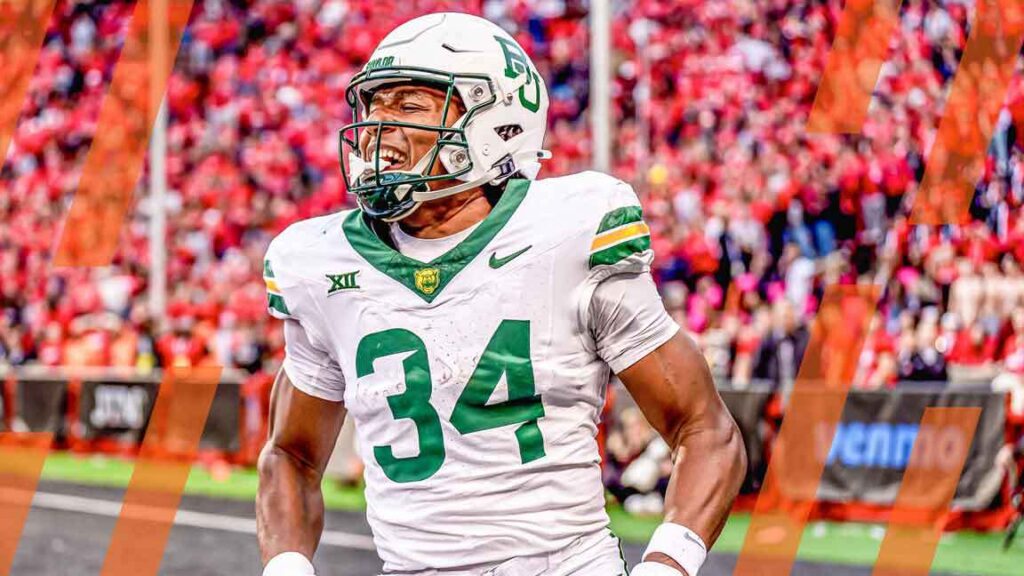
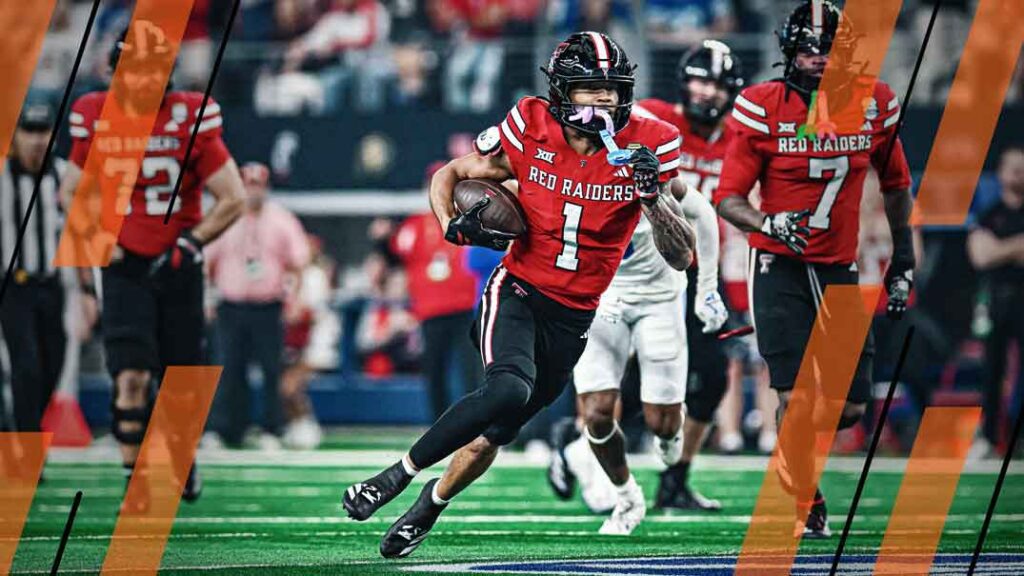
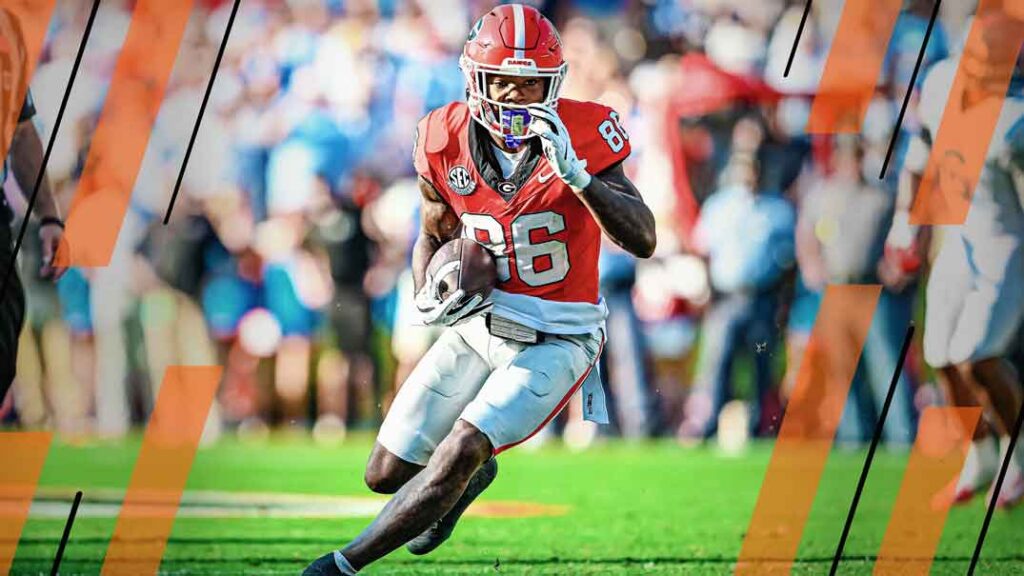
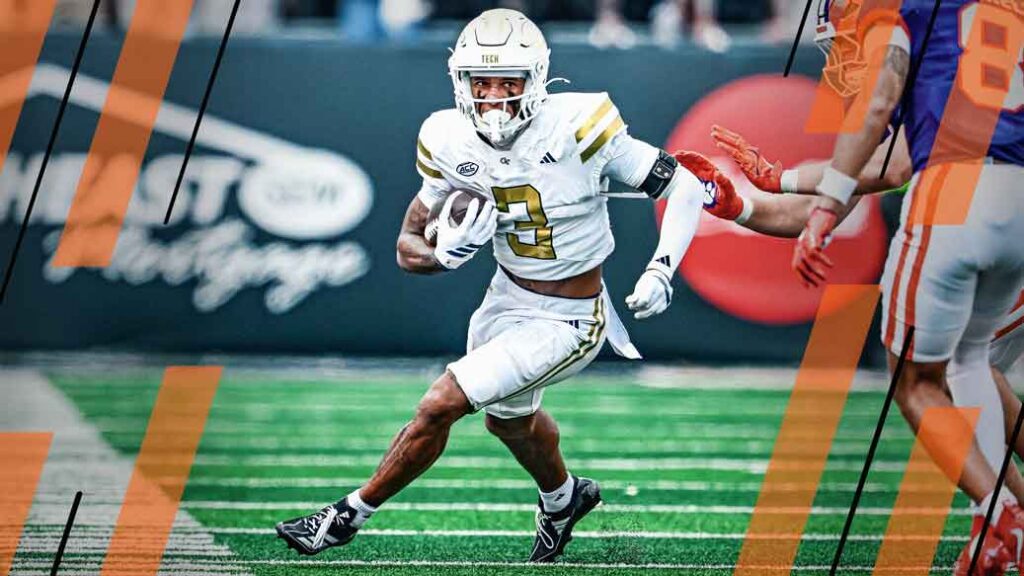
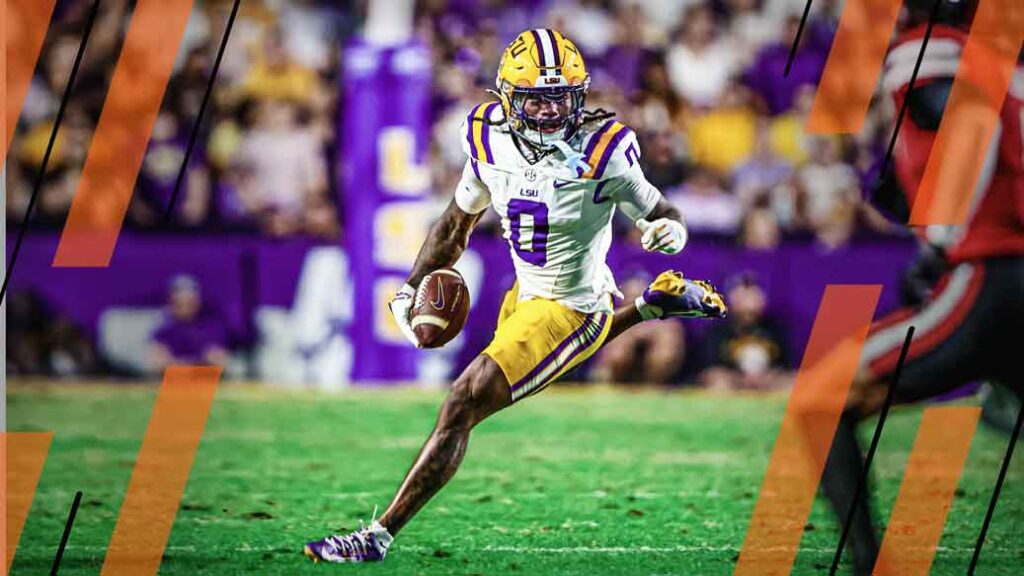
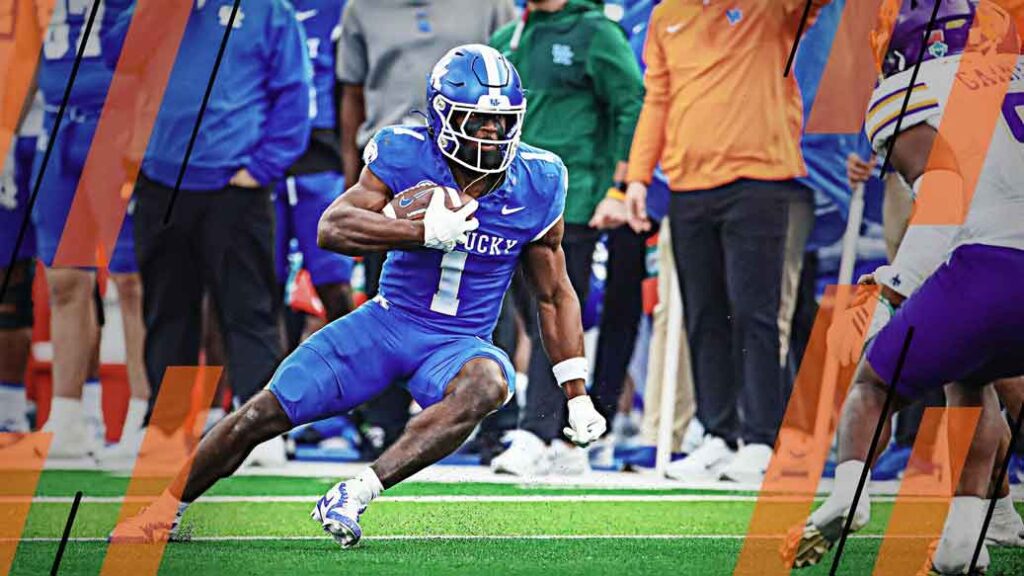
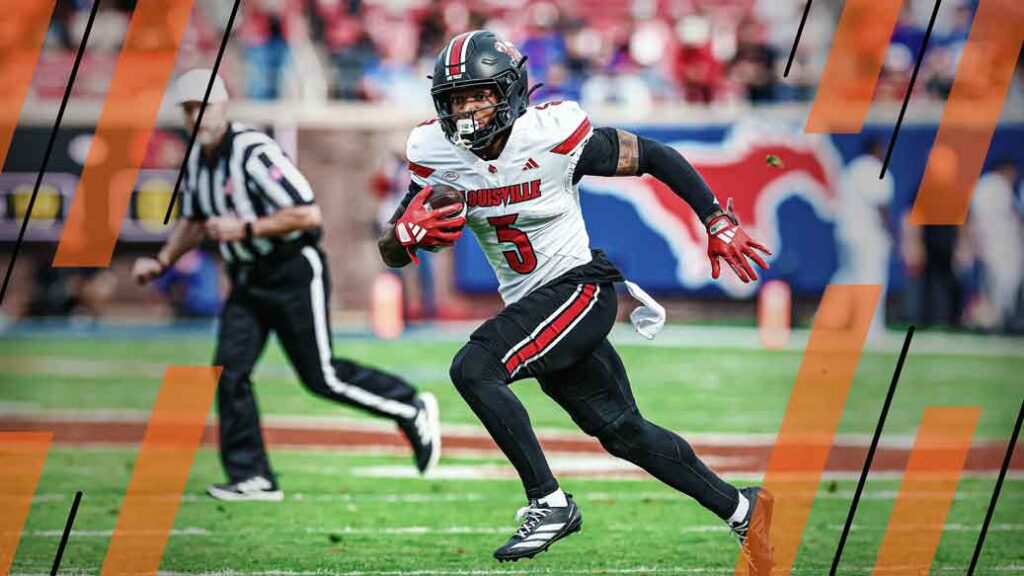

Jordyn Tyson, Arizona State
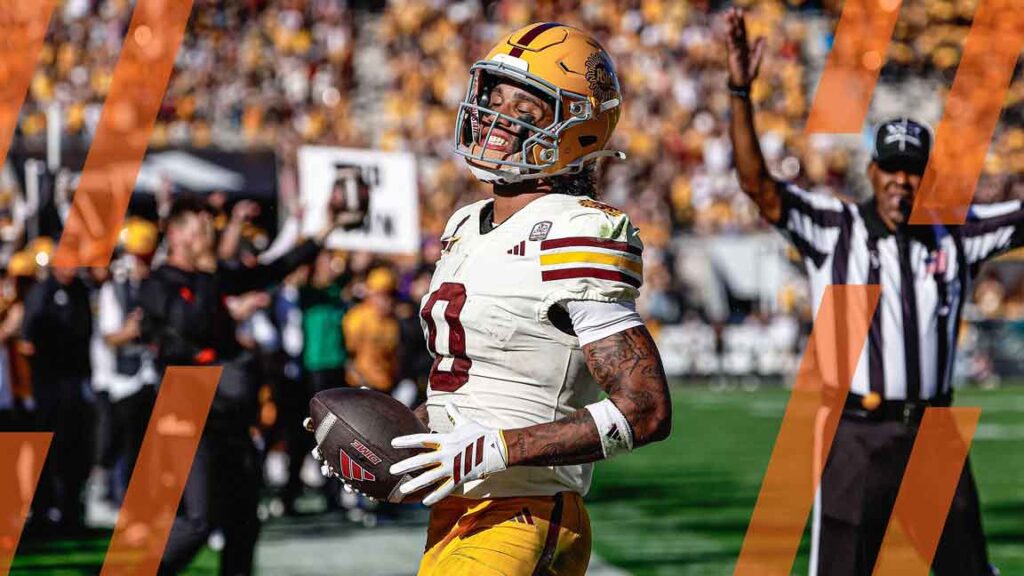
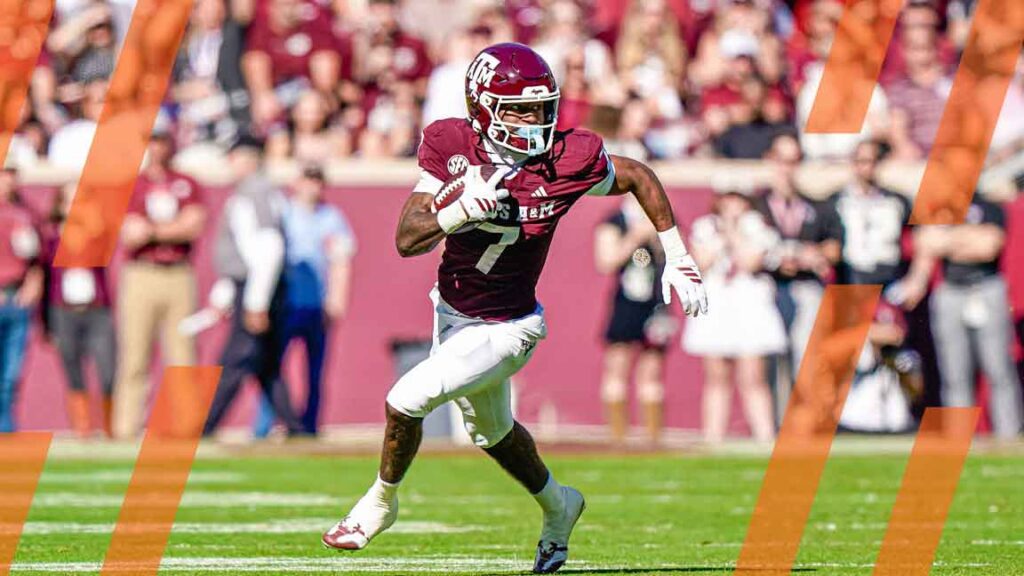
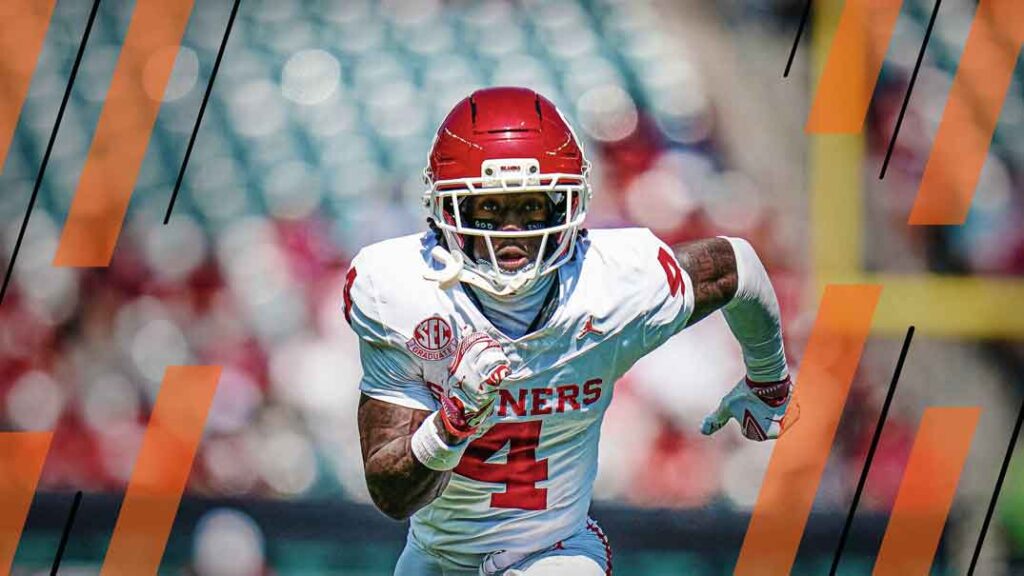
Behind Boston and Sarratt, Tyson ranked next among draft-eligible wide receivers in PFF receiving grade versus man coverage last season, though his 2024 performance makes a strong case for the top spot.
Tyson’s 2024 campaign was highlighted by 620 receiving yards versus man coverage, nearly doubling the next closest receiver in this class (Sarratt). He also recorded 30 first downs, helping lead Arizona State to a playoff berth alongside quarterback Sam Leavitt.
Quarterback play was less consistent this season as Leavitt took a slight step back, but Tyson produced at a high level, securing all 23 of his catchable targets. His 43.6% target rate versus man coverage led all Power Four wide receivers.
Like Denzel Boston, Tyson was most effective in the red zone. Thirteen of his 15 receiving touchdowns over the past two seasons came against man coverage, where his suddenness off the line allows him to consistently create separation.
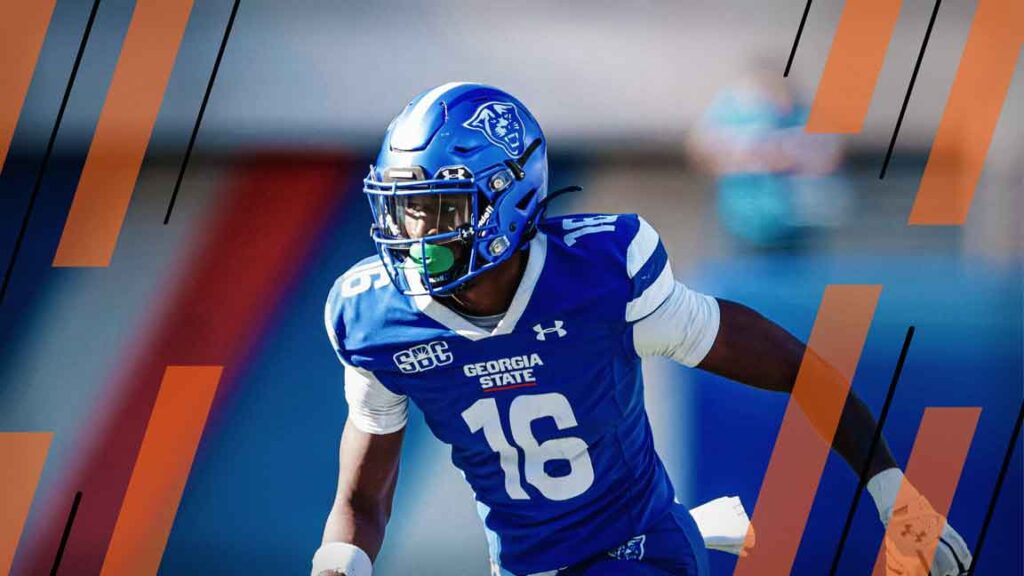
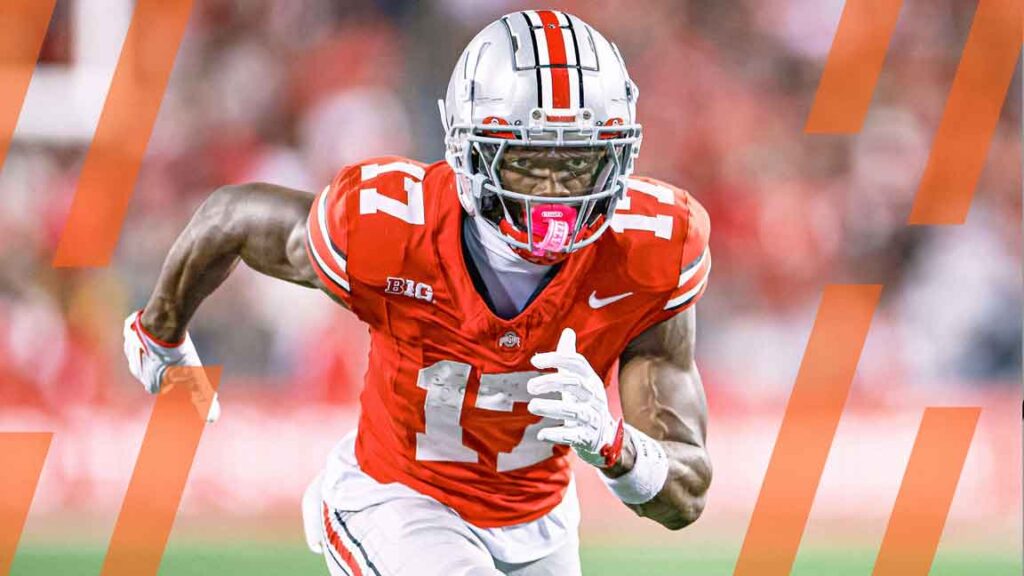
Zachariah Branch, Georgia
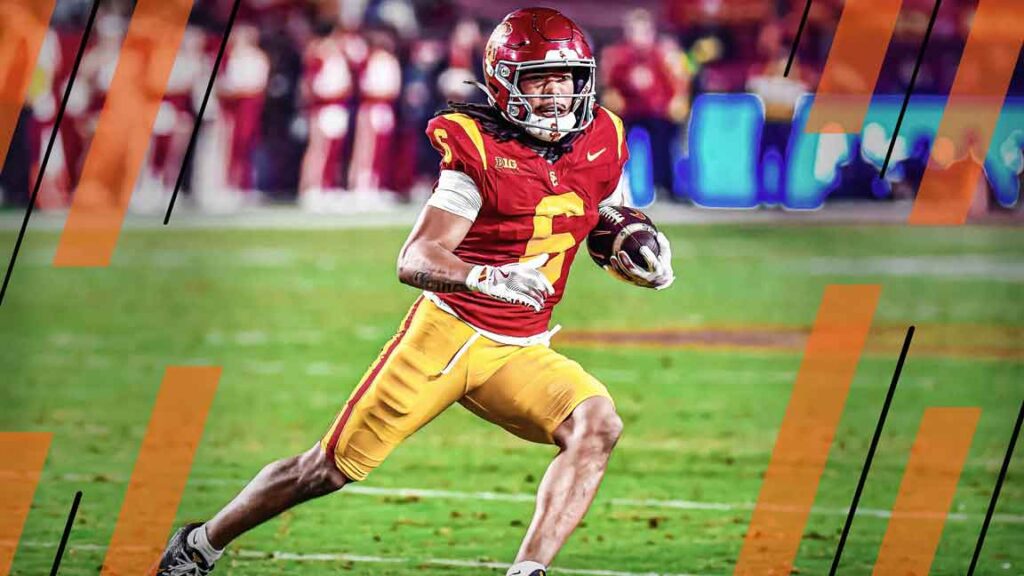
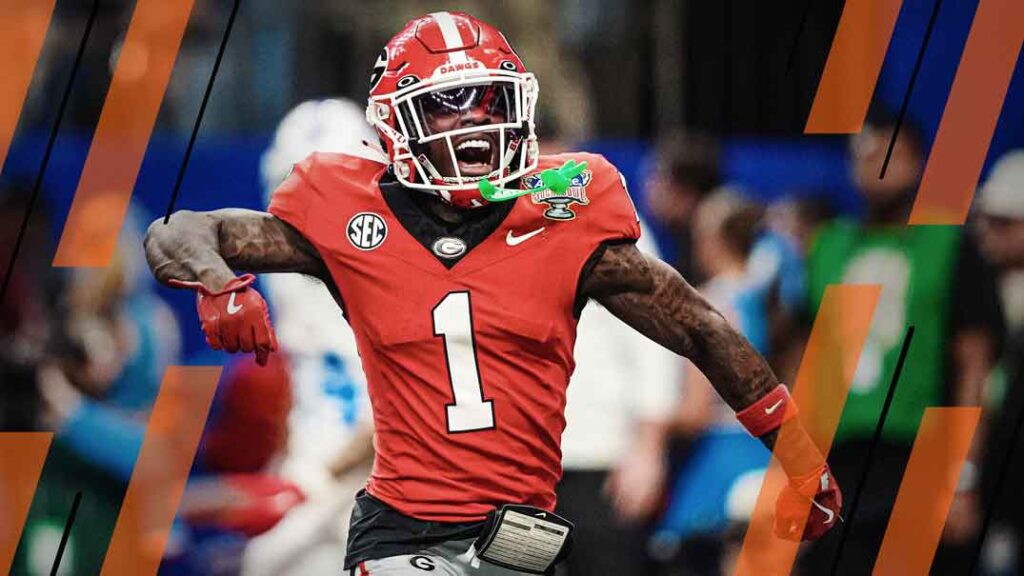
It shouldn’t come as a surprise that this track athlete in football pads is a nightmare to defend in one-on-one situations. Branch’s elite speed — highlighted by his 4.35-second 40-yard dash — was put to good use in Georgia’s offense after he struggled to find his footing over two years at USC.
Branch ranked fourth among draft-eligible wide receivers in PFF receiving grade versus man coverage (87.5), trailing the three players listed above. He wins in a different way than those more physical receivers. Branch generated 241 yards after the catch against man coverage, nearly matching the combined total of the three players ahead of him.
His 4.23 yards per route run versus man coverage leads the 2026 draft class. He also recorded 21 receptions on 23 targets, including five touchdowns, resulting in a perfect passer rating (158.3) when targeted against man coverage.
At 5-foot-8, Branch does not profile as a jump-ball threat, but his hands have improved significantly over his three-year college career. His drop rate fell from 8.6% as a freshman to 6.0% in 2024 and 2.4% last season before declaring for the draft.
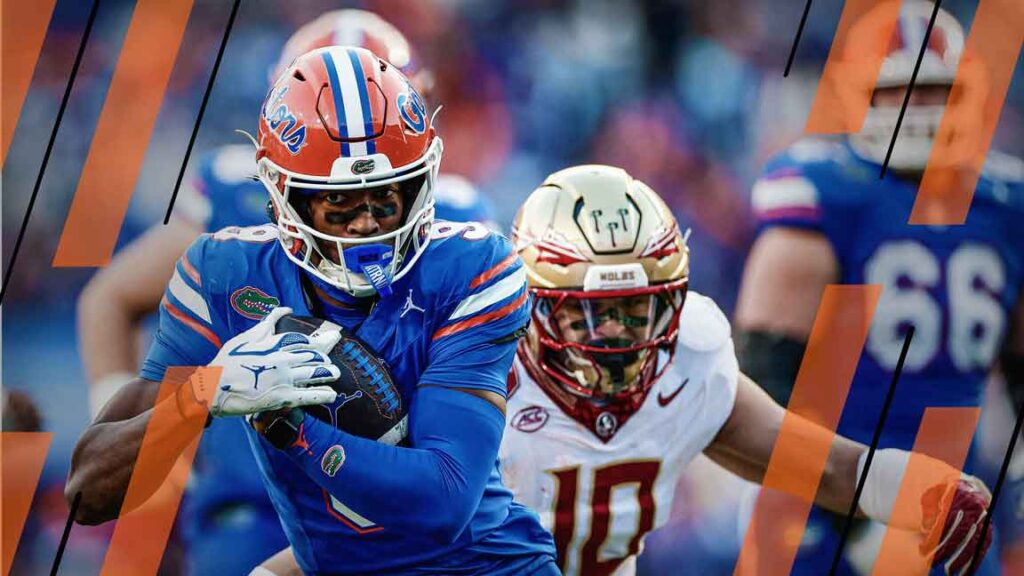
Skyler Bell, UConn
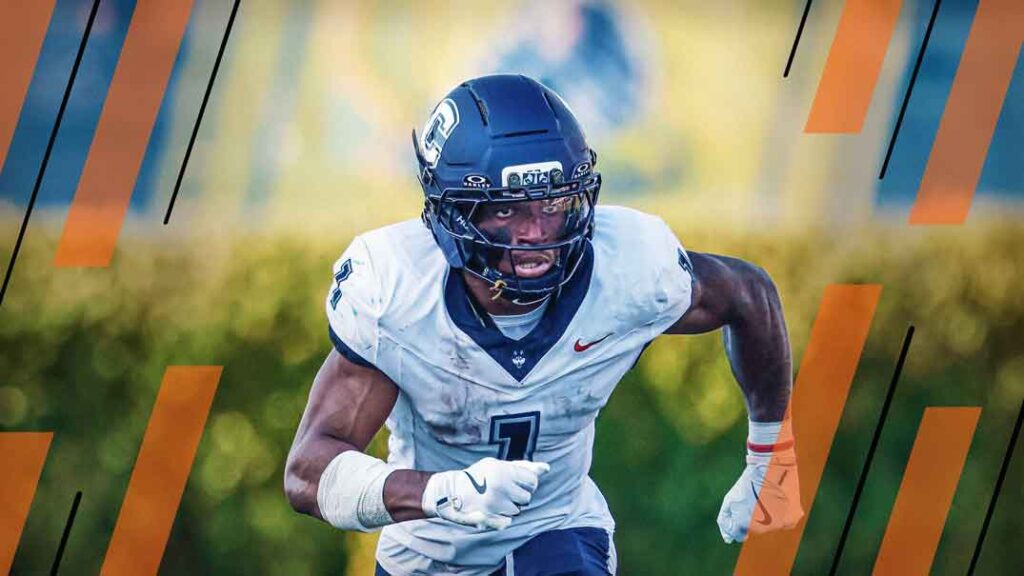
Bell’s PFF receiving grade versus man coverage trails the four players above, in part because all of his drops came in those situations, but his production remains strong. He leads the 2026 class in yards after the catch against man coverage, and his 381 receiving yards versus man were just 10 fewer than Sarratt’s total, despite playing one fewer game.
The 60th-ranked player on PFF’s big board stood out against Group of Five competition and frequently faced double coverage, with safeties shaded toward his side of the formation.
That attention did not prevent him from producing. Bell’s 46 targets versus man coverage led the class, and his 141 targets overall ranked third. Despite lining up primarily out wide over the past two seasons, many evaluators believe Bell projects best as a slot receiver at the next level, where his change-of-direction ability can be maximized.
While Bell’s level of competition may give NFL evaluators pause, he caught 11 passes for 87 yards against Duke, with more than half of that production coming against Chandler Rivers — one of the top man-coverage cornerback prospects in this class.

 © 2026 PFF - all rights reserved.