
- Being below 6-foot-2 doesn't project well: Since 2012, only eight of the 39 quarterbacks to debut at that height have accrued a 70.0 overall PFF grade.
- Most elite quarterbacks are in the upper height percentiles: Great modern gunslingers like Josh Allen, Justin Herbert and Joe Burrow have a bigger margin for error because of their larger sizes.
- 2026 NFL Draft season is here: Try the best-in-class PFF Mock Draft Simulator and learn about 2026's top prospects while trading and drafting for your favorite NFL team.
Estimated Reading Time: 18 minutes
When the NFL Draft process arrives every spring, certain scouting principles bloom like tulips. They include meeting requisite arm length and wingspan requirements in order to play tackle, weight for cornerbacks and, maybe most notably, quarterback heights.
While 40-yard dash times are heavily scrutinized in the lead-up to late April, quarterbacks’ statures are potentially just as important in projecting players to the next level. Even if a shorter gunslinger thrives in college, there will likely be a harsher learning curve in the NFL — where the median player is taller, faster and stronger.
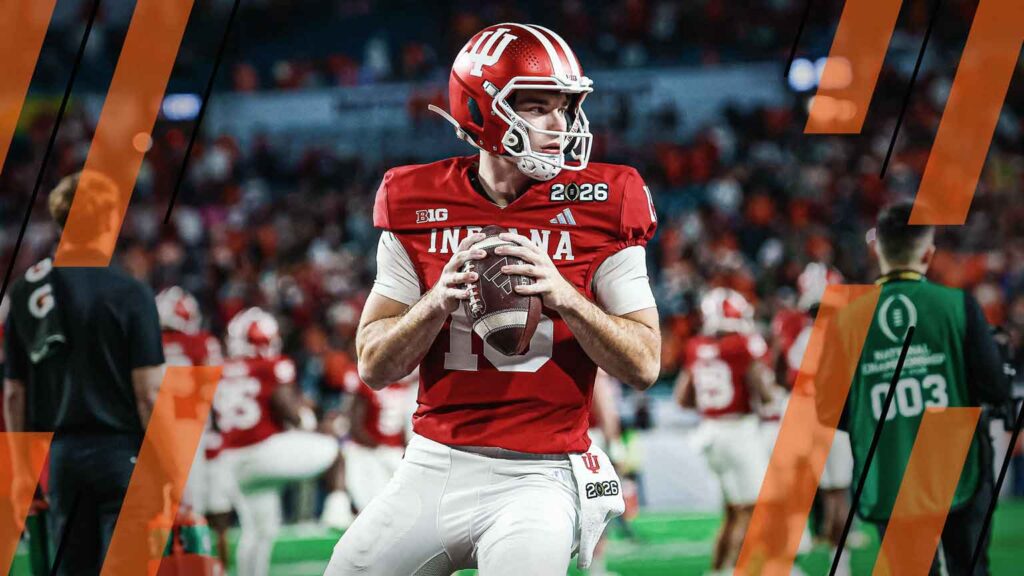
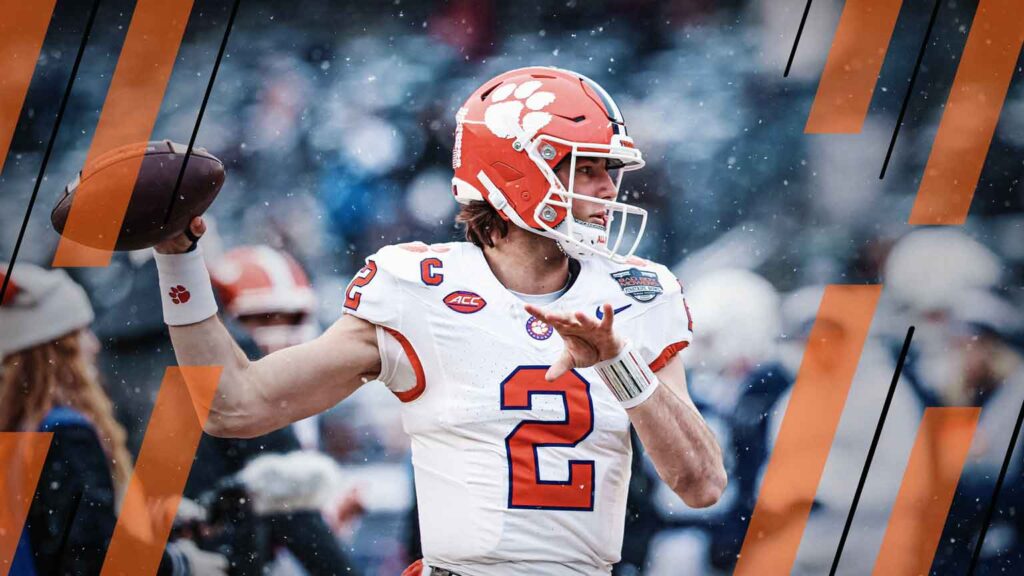
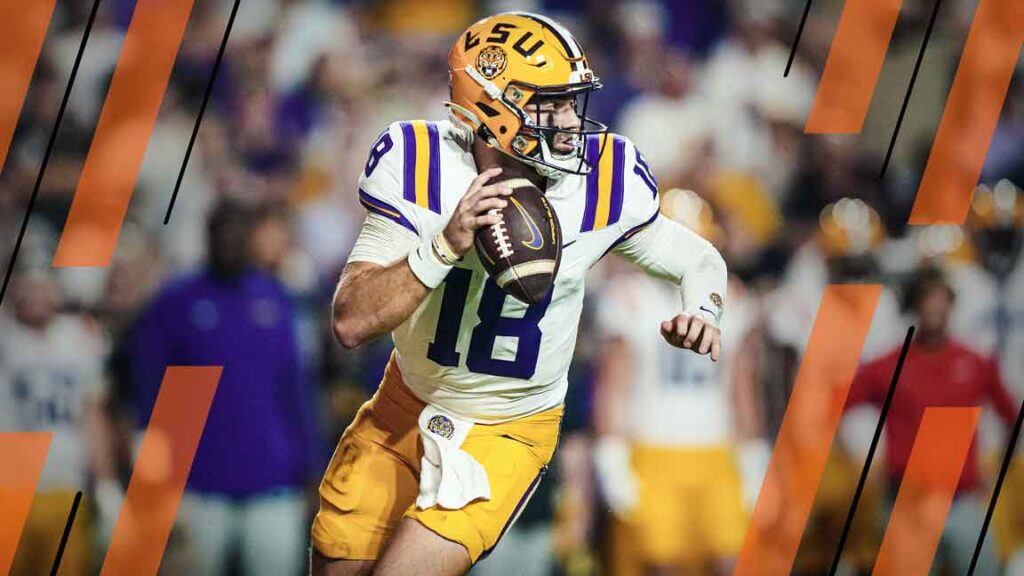
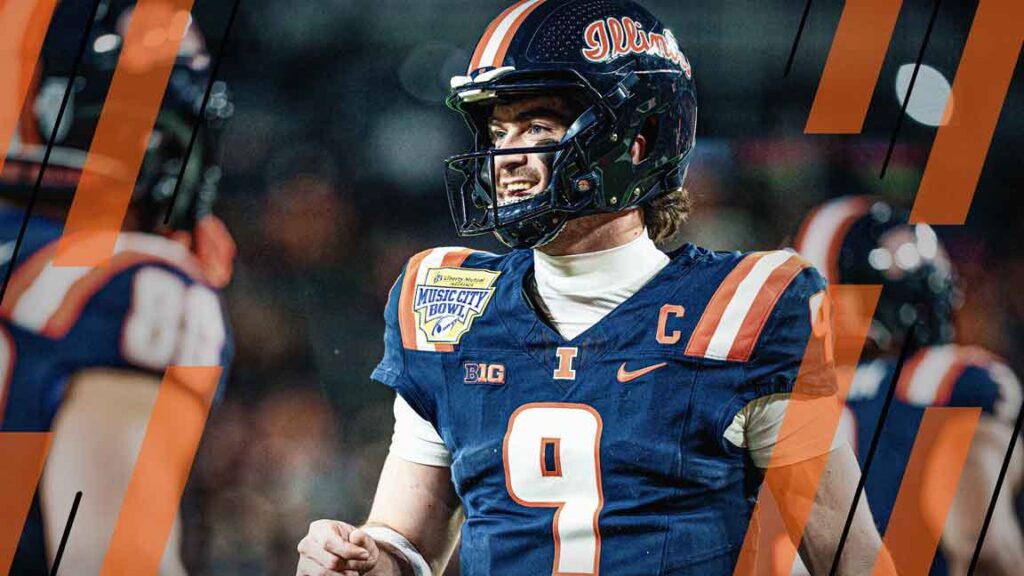
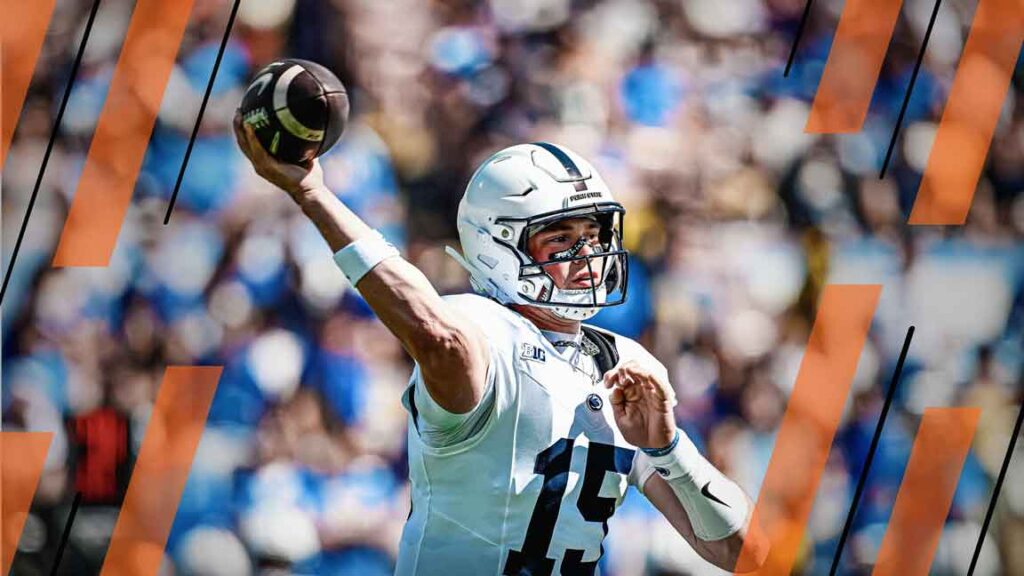
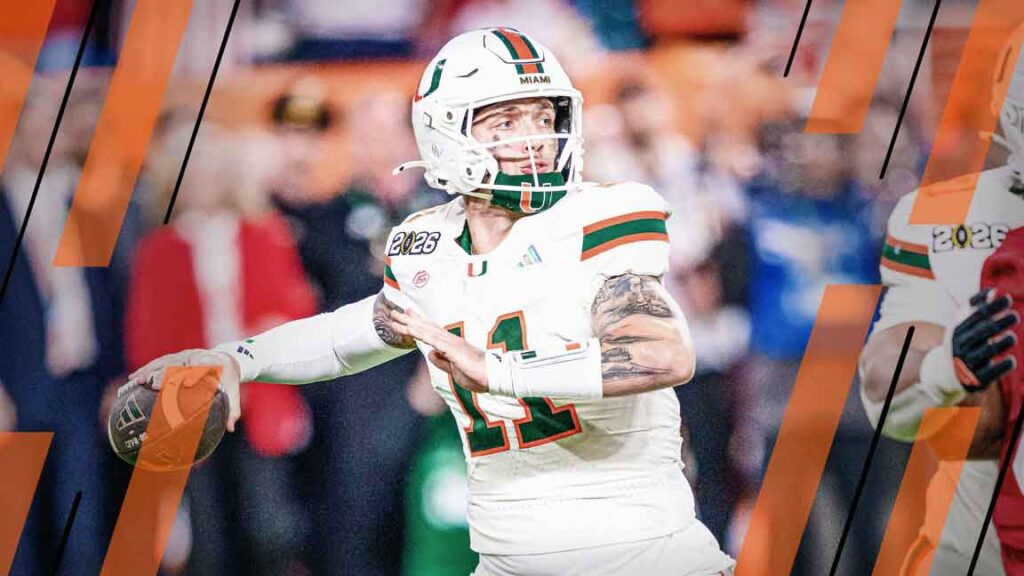
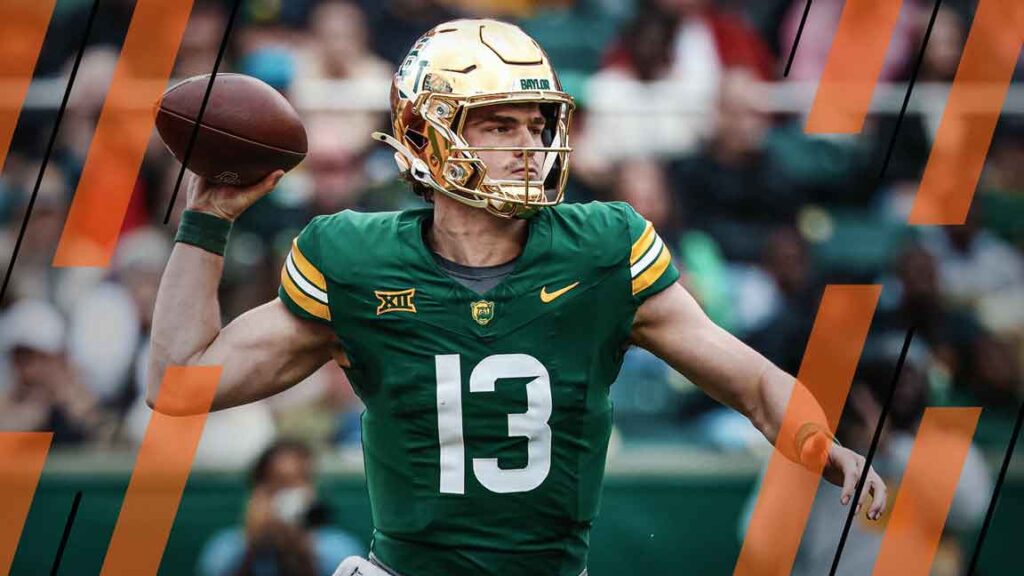
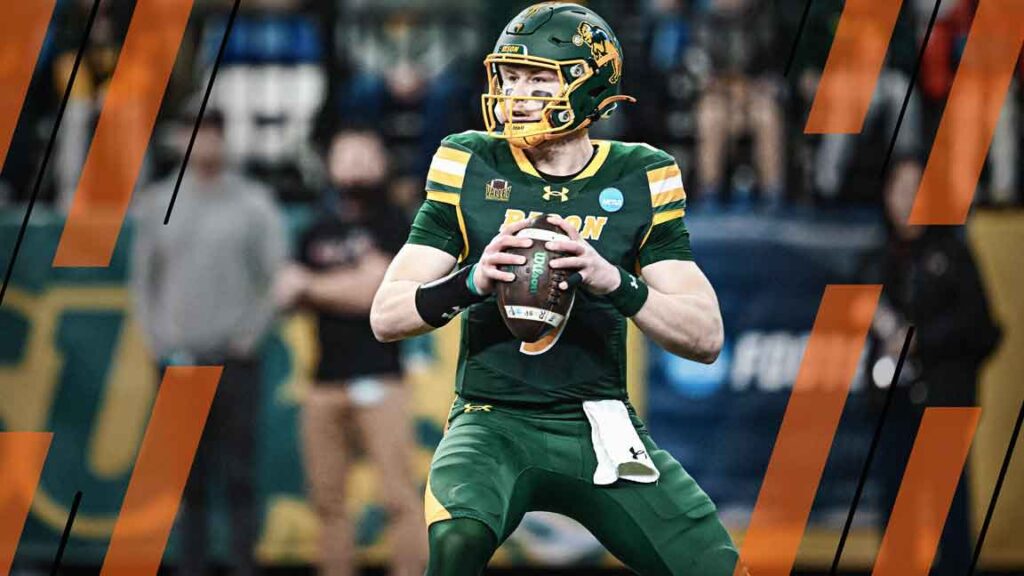
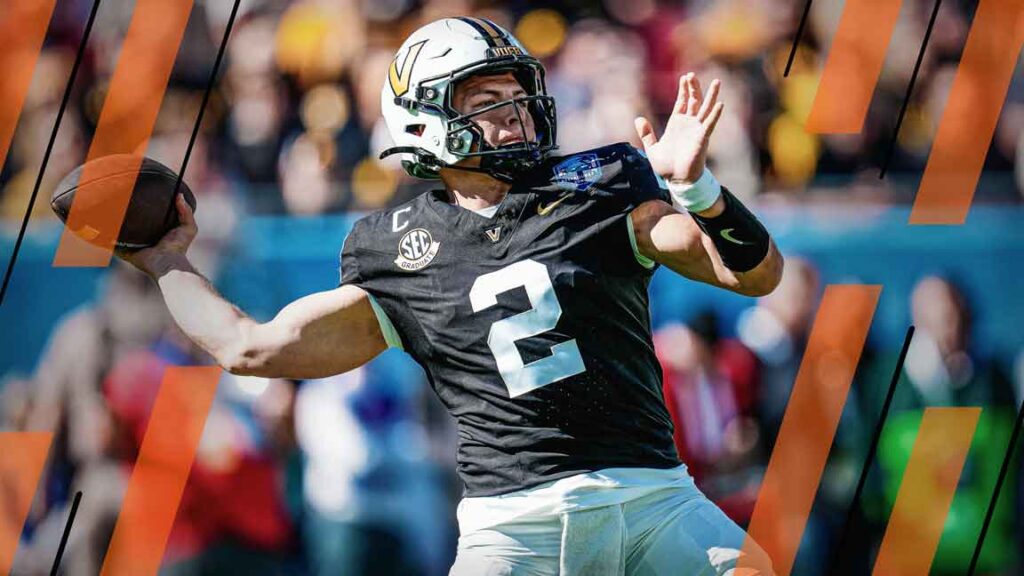
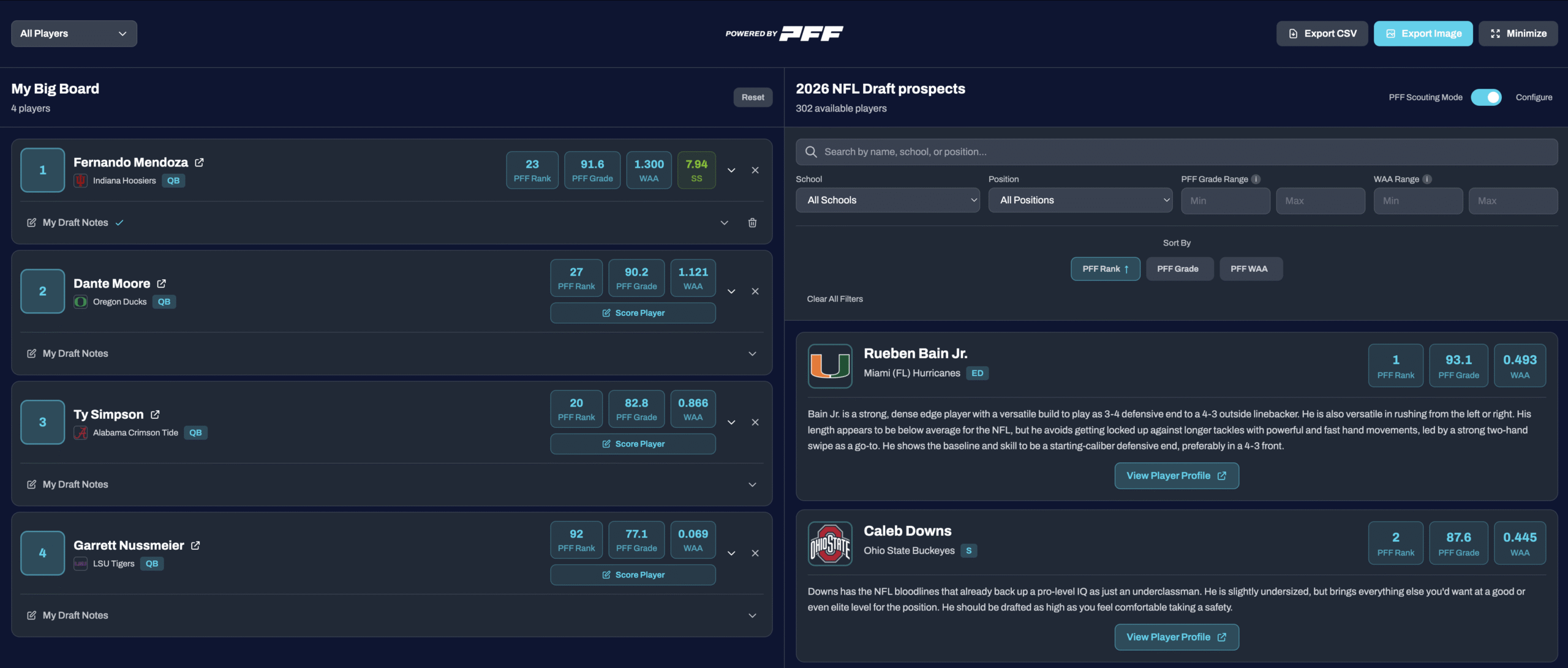
To set a baseline, the average height for a quarterback prospect is between 6-foot-2 ½ inches and 6-foot-3, based on Mockdraftable data. In terms of the 2026 quarterback class, eight players — including potential Day 2 options Ty Simpson, Garrett Nussmeier and Cade Klubnik — were below that figure.
It can be easy to construe narratives about these quarterbacks based solely on their frames. But with a data-oriented approach in mind, what does recent history reveal about quarterbacks of a similar or shorter height?
Since 2012, only four quarterbacks have entered the NFL measuring no taller than 5-foot-11. Ironically, two were No. 1 overall picks in Kyler Murray (2019) and Bryce Young (2023), indicating that teams at the top of the draft have prioritized athleticism and creativity over binary measurements. The other headliner in that group is Russell Wilson, whose 5-foot-11 height (2nd percentile) wasn’t a barrier in accomplishing a storied NFL career.

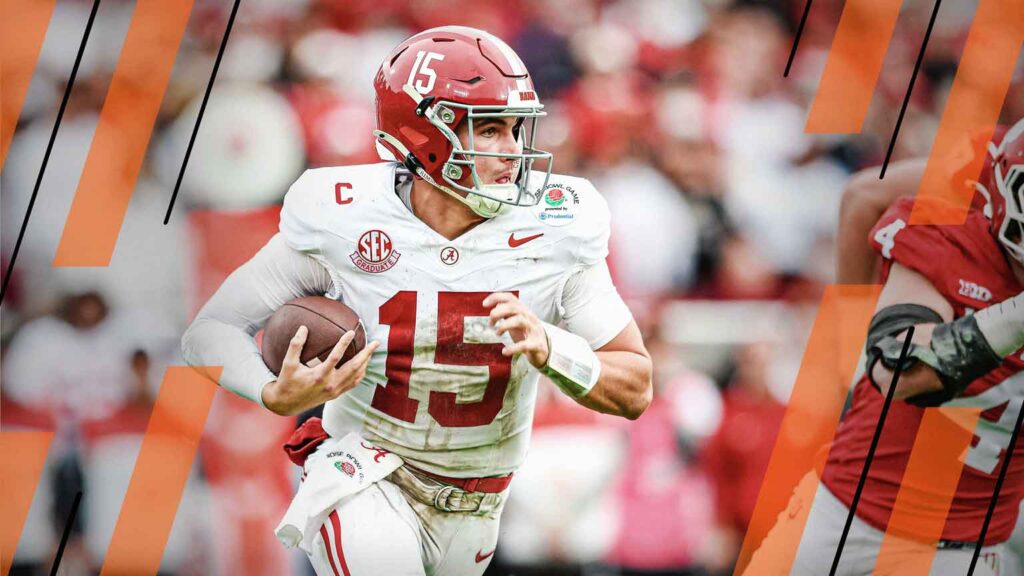

Impressively, both Wilson and Murray have produced at least an 85.1 overall PFF grade throughout their seven-year-plus tenures. While the jury is still out on the inconsistent Young entering his fourth season, his mark is a respectable 69.8.
Expanding the height radius to no taller than 6-feet, the sample size of gunslingers reaches 16 players — including the likes of Dillon Gabriel, Johnny Manziel and Kellen Moore. Only six members of that group have played at least 500 career snaps, and a measly three (Wilson, Murray, Young) sit above a 65.0 overall grade. For comparison, 10 of the 16 are under a 60.0 mark, which is staggeringly poor.
Adding one inch brings the evaluated height to 6-foot-1, which still represents only the 14th percentile at the position. Since 2012, there have been 39 quarterbacks 6-foot-1 ½ inches or shorter to debut — with Brock Purdy, Jalen Hurts, Baker Mayfield, Caleb Williams and Tua Tagovailoa among them. Only six of those 39 reached an 80.0 overall grade, and just eight were at a 70.0 mark. Further, just 14 of the 39 (35.9%) experienced at least 1,000 career snaps.
Sub-6-foot-1 1/2-inch Quarterbacks with a 70.0+ Overall PFF Grade (2012-25)
| Player | Height | Draft Year | Overall PFF Grade | Snaps |
| Russell Wilson | 5'11” | 2012 | 94.3 | 13,995 |
| Brock Purdy | 6'0 5/8″ | 2022 | 91.2 | 3,304 |
| Jalen Hurts | 6'1″ | 2020 | 90.7 | 5,975 |
| Baker Mayfield | 6'0 5/8″ | 2018 | 85.2 | 8,142 |
| Kyler Murray | 5'10 1/8″ | 2019 | 85.1 | 5,742 |
| Tua Tagovailoa | 6'0″ | 2020 | 81.3 | 4,651 |
| Caleb Williams | 6'1 1/8″ | 2024 | 75.5 | 2,424 |
| Malik Willis | 6'0 1/2″ | 2022 | 70.9 | 547 |
Some of the prominent names measuring below 6-foot-2 above have won Super Bowls, made Pro Bowls and secured upward of $200 million dollars throughout their careers. Wilson, Purdy and Hurts underscore that it’s definitely possible to develop into a long-term, effective starting quarterback despite being a height outlier.
At the same time, those like Murray and Tagovailoa paint a more fleeting picture, with their limitations creating a smaller margin of error in pro football. Height matters at a position like quarterback because of seeing over the offensive line, having passes batted down and attacking the middle of the field. Unless a quarterback possesses elite athleticism, premier accuracy or great escapability, there may not be an easy way to answer defensive quagmires.
Increasing the height threshold to 6-foot-2 still represents a below-average height metric in the 32nd percentile. But it definitely presents encouraging results — which may not be shocking given that the figure gets closer to average.
Over the last 14 years, there have been 74 gunslingers standing 6-foot-2 ½ inches or shorter to turn pro, with players like Patrick Mahomes, Lamar Jackson and Dak Prescott part of them. Eighteen of those 74 are above a 70.0 grade (24.3%); 12 reached an 80.0 mark; and six were at a 90.0. Further, 26 of the 74 met the desired snap criteria. That’s a group displaying promise.
When adjusting the height to 6-foot-2 ½ inches or taller, that (unsurprisingly) becomes the sweet spot for quarterback success. Since 2012, there have been 132 such players to break in, and 40 of them have reached a 70.0 overall grade. Moreover, 20 of the 132 were at an 80.0, and eight earned a 90.0 grade. In this group, we find players like Josh Allen, Justin Herbert, Joe Burrow, Jordan Love and many more.
Quarterback Height Splits (2012-25)
| Height | # of QBs | % Playing 1,000 Snaps | % with 70.0+ Grade | % with 80.0+ Grade |
| <6'0″ | 4 | 75% | 50% | 50% |
| <6'1″ | 16 | 25% | 12.5% | 12.5% |
| <6'2″ | 39 | 35.9% | 20.5% | 15.4% |
| ≤6'2″ | 74 | 35.1% | 24.3% | 16.2% |
| ≥6'2″ | 132 | 40.2% | 30.3% | 15.2% |
Being at least 6-foot-2 doesn’t guarantee anything under center, a position that connects mental processing with physical attributes as much as any in all of sports. But having that requisite size often accompanies a stronger, more durable frame and a bigger arm, all of which correlates to a greater margin of error to thrive — and to accomplish a better career. In turn, the majority of the consistently elite modern quarterbacks all fall into this range, befitting an era where football is increasingly filled by unprecedentedly freakish and long athletes.
Integrating these findings with the 2026 quarterback class, it’s unlikely that Simpson or Nussmeier would slide in the draft further just because of their stature and how it projects. Organizations will assuredly be willing to take a shot on their other traits despite being on the shorter side. Plus, as numerous examples above illustrate, quarterbacks can still attain tremendous success standing below 6-foot-2 ½ inches.
However, that’s a large pool of more than a decade of data — and one which says that a sub-30th-percentile height at quarterback tends to translate worse at the next level. Coupled with possibly potentially being picked outside of the first round, Simpson, Nussmeier and Klubnik have another historical benchmark working against their pro successes.


 © 2026 PFF - all rights reserved.