
- Transcendent talents are on the move like rarely before: Micah Parsons, Sauce Gardner and Trent McDuffie were only some of the All-Pros moved in the last eight months.
- Franchises are becoming more aggressive: Teams like the Packers and Colts reflect a growing school of thought, which is mortgaging the future to maximize current championship windows.
- 2026 NFL Draft season is here: Try the best-in-class PFF Mock Draft Simulator and learn about 2026's top prospects while trading and drafting for your favorite NFL team.
Estimated Reading Time: 19 minutes
Across sports discourse ranging from premier television shows to even banter between friends, one conversation topic that inevitably gets prompted is hypothetical trades and analogous what-ifs. What would Patrick Mahomes be worth? Could the Browns really trade Myles Garrett if they keep losing? and Which players would go first in a league-wide redraft? have provided entertaining thought exercises, if not amusing scenarios in Madden Franchise.
But over roughly the last eight months or so, those Madden probability sliders have seemingly been turned up — except in real life. Indeed, the most recent window of football trades has completely flipped expectations on their heads because of the magnitude of players shipped.
Consider that, since August, the following have all been traded: Micah Parsons, Sauce Gardner, Trent McDuffie and Quinnen Williams. Throw in Maxx Crosby, who would be a Baltimore Raven if not for a failed physical, and the list grows that much more inconceivable.
Over the last three years, each of those players has earned at least an 87.0 overall PFF grade and ranks among the 50 most valuable defenders in the NFL by PFF Wins Above Replacement. These are the caliber of talents who, by basically every sense of the word, should be untouchable given their combination of well-rounded acumen and youth. And yet, all have unexpectedly been dealt to a new organization in exchange for a slew of picks.
Star players being traded isn’t an utterly newfound phenomenon. The Rams landing Matthew Stafford, the Broncos’ deal for Russell Wilson, the Jets’ acquisition of Aaron Rodgers, the 49ers bringing in Christian McCaffrey and more were perceived as earth-shattering when they occurred in the last five seasons. Although the underlying success of these swaps has fluctuated, it’s clear that NFL teams have a precedent of both sending off their elite players and being willing to surrender humongous sums for these names.
In the last eight months, this trend has not only continued but crescendoed. As a result, the collective perception of player availability has dramatically changed moving forward, potentially forever.
One of the core shifts in explaining why these monster trades have happened is that franchises are simply more willing to bank on existing talent, rather than gamble on drafting and developing standouts. In the case of the Packers, Colts, Cowboys, Rams and (hypothetically) Ravens, each preferred to add one of the game’s proven, best players at their positions despite needing to fork over at least one first-round pick. After all, the best-case scenario for those top-32 picks would be to add a Parsons-like player — but that’s far from a sure thing, even in the modern era of scouting.
Trading away first-round picks can both maximize and rapidly shrink an organization’s championship window. While going “all in” by adding a final piece may perfect a premier roster in a win-now timeline, the risk of not having a high selection also looms considerably if team goals aren’t realized — and can keep franchises stuck in purgatory. In the case of the Rams, the trade-off has proved well worth it, but the same may not be said about someone like the Colts come 2027.
The first step in the equation of these blockbuster trades is outside interest despite substantial cost. But what also shouldn’t be overlooked is teams actually making such blue-chip players available, seemingly defying collective expectation.
One school of thought catalyzing these trades is teams not wanting to pay position-resetting contracts to burgeoning talents. Although Parsons had earned at least an 89.7 overall PFF grade and generated at least 70 pressures in each of his first four years in Dallas, the Cowboys could never settle on his desired price point for an extension — which opened the door for a suitor that was not only fine with compensating him at the top of the edge rusher market, but also surrendering the necessary capital to do so. Likewise, the Chiefs traded McDuffie — the fourth-most-valuable cornerback by PFF WAR since his 2022 debut — because they didn’t want to pay him the record four-year, $124 million contract doled out by the Rams.
Not wanting to provide top dollar to keep a homegrown stud may seem somewhat perplexing, but it’s at least understandable why these extension-incumbent players were consequently put on the trade market. Yet many other names moved had recently been awarded lucrative contracts — and seemed like sure bets to remain wearing their logos for years to come.
In Gardner’s case, the Jets traded him to Indianapolis only three months removed from a four-year, $120.4 million extension. Moreover, former Cowboys interior defender Osa Odighizuwa was acquired by the 49ers this week despite agreeing to a four-year, $80 million deal last offseason.
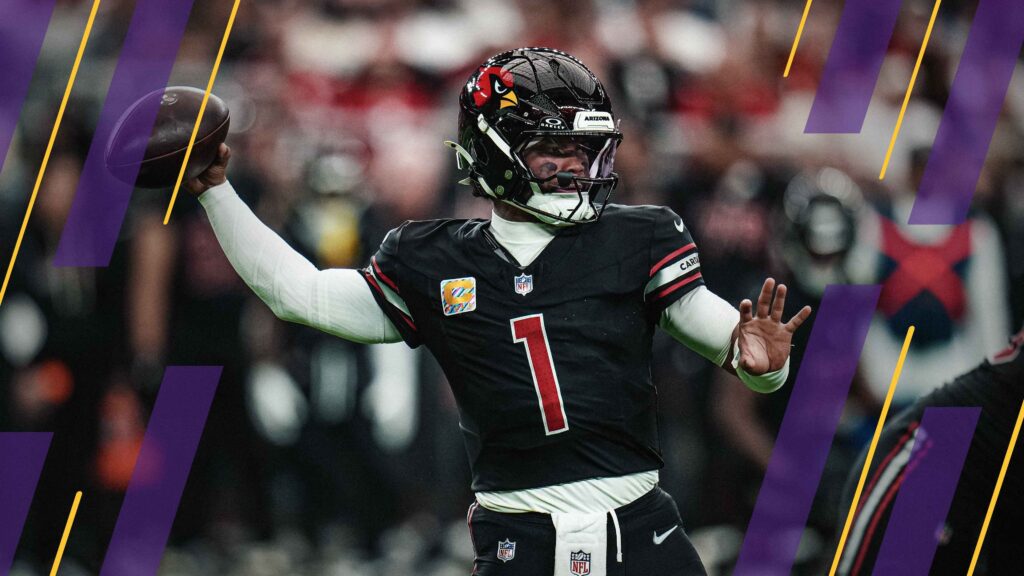
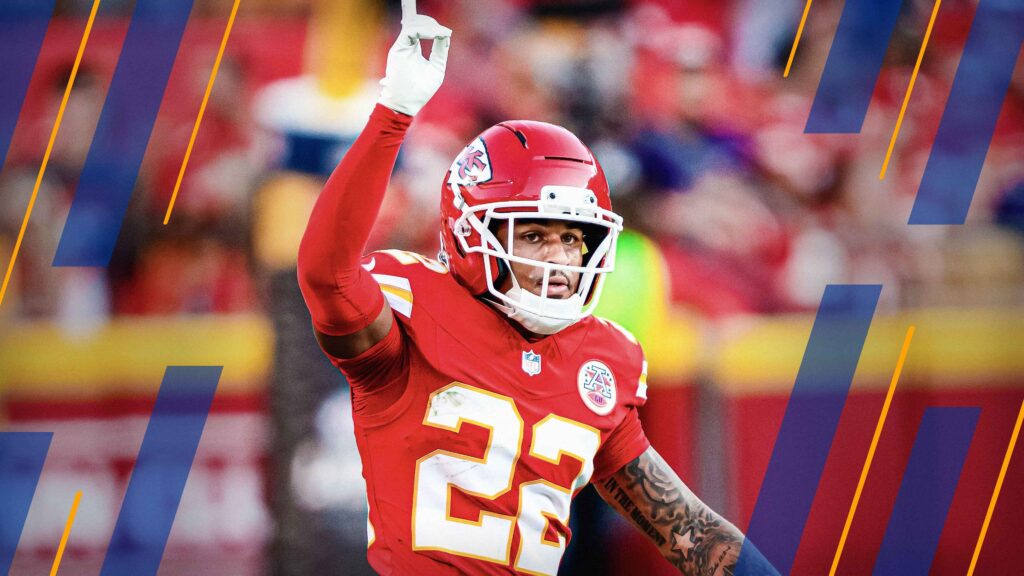
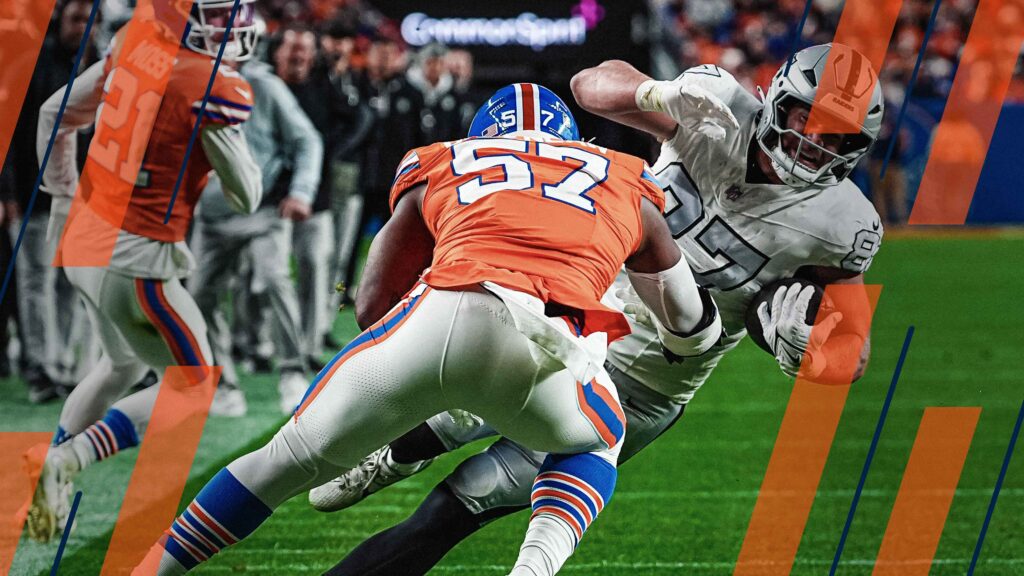

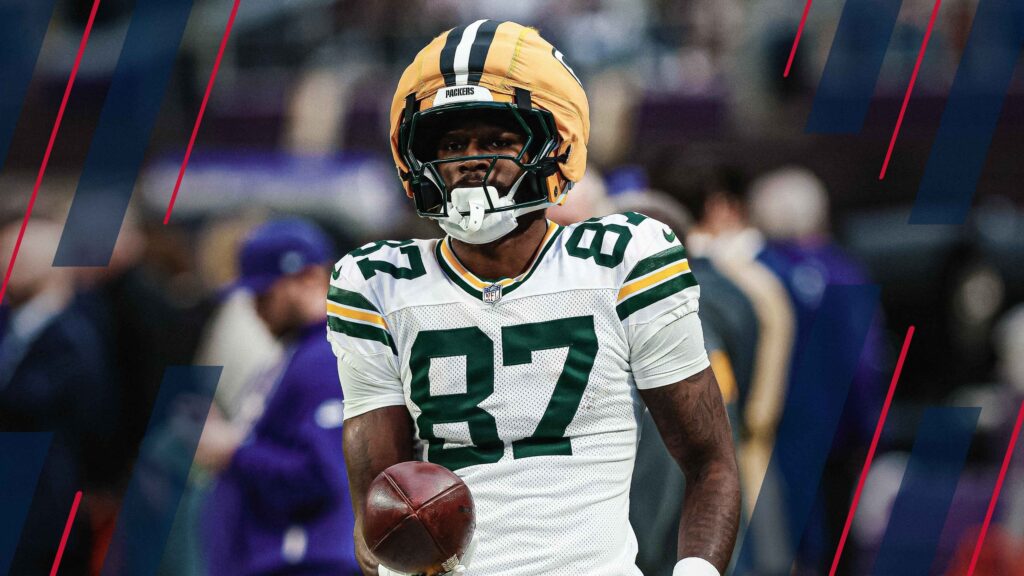



It’s become repeatedly emphasized that, in the contemporary NFL, a long-term contract holds fewer and fewer promises regarding a player’s destination. Whether due to coaching or leadership changes, new schemes or simply a different franchise philosophy, signing on the dotted line doesn’t guarantee much about long-term sustainability in one spot.
The cases of Williams and Crosby hold some parallels to the two categories discussed above, but they’re a bit distinct. In those situations, the Jets and Raiders had thwarted calls from intrigued general managers for years, trying to woo away a tremendous talent on some of the league’s worst squads. While Las Vegas and New York hold the top two picks in the 2026 NFL Draft, it’s not as though they suddenly got much worse — instead, their front offices simply became more open to parting with great players whose tenures were being wasted.
To reiterate, star-powered NFL trades happened with some frequency before last August. But the Packers’ deal for Parsons appears to have opened the floodgates, creating a frenzy of mind-bending swaps and rewriting conventional wisdom about which names could theoretically be available.
Between teams being more aggressive in parting with draft capital and other assets, to franchises simply feeling more content to give up on potentially generational skill sets, it’s fostered a trade market arguably unlike anything before. Now, social media smoke about the availability of a perennial All-Pro has to at least be considered a remote possibility instead of instantly dismissed as illegitimate.
Like in Madden, transcendent talents like Mahomes and Garrett presumably won’t be donning new uniforms anytime soon. But the odds that the NFL’s best players could really be traded have never been higher — leaving the door of possibility now creaked wide open instead of sealed shut.


 © 2026 PFF - all rights reserved.