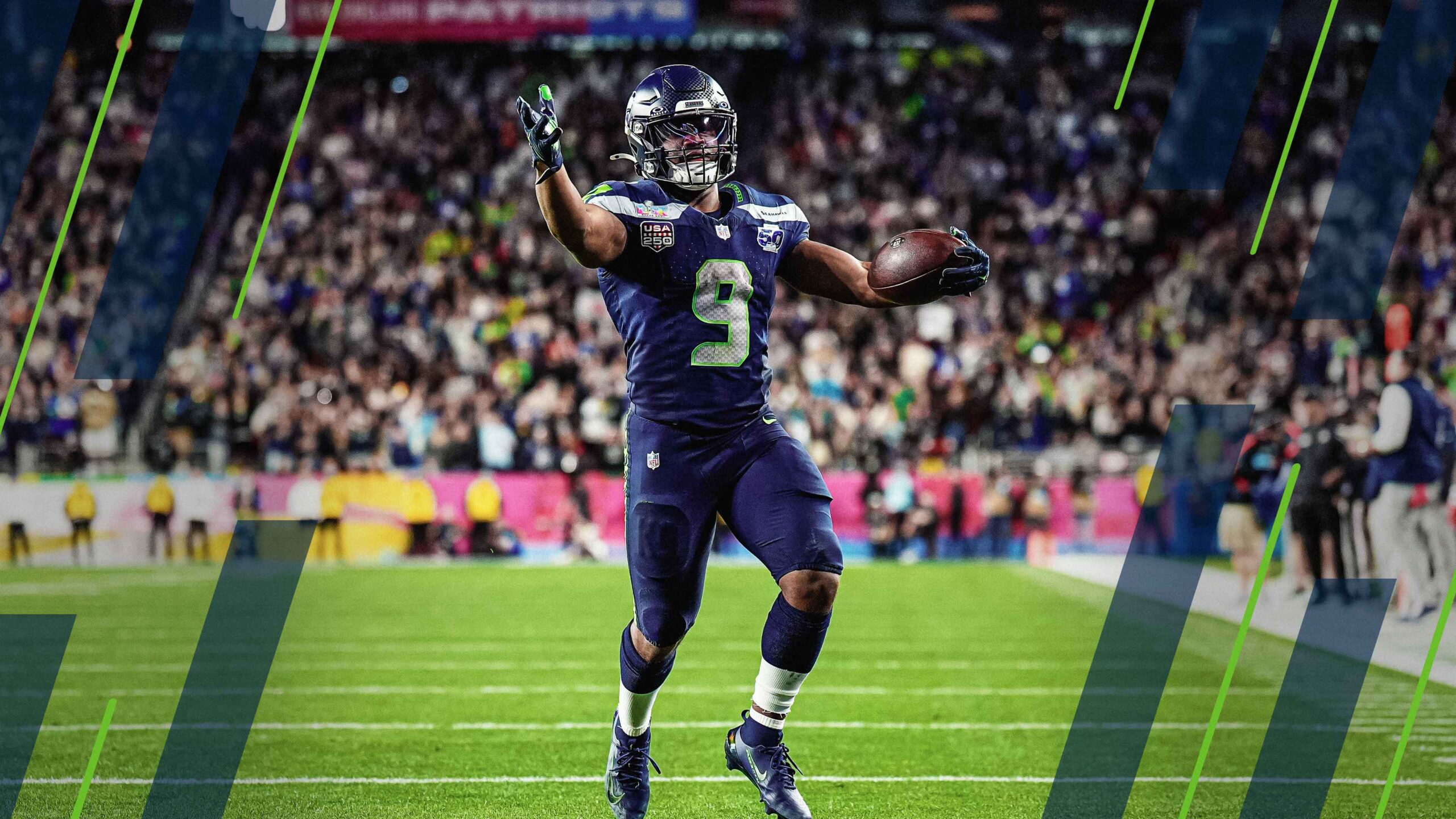
- The Seahawks' run game, while inefficient at times, was enough of a threat in 2025: Seattle called a run play 47.7% of the time on offense this season, the second-highest rate in the NFL. Combining that with Sam Darnold's play-action prowess paid major dividends.
- Sam Darnold and Jalen Hurts aren't the “elite” quarterbacks we expect to win the Super Bowl: The Eagles in 2024 and the Seahawks this past season proved that a balanced offense — and lockdown defense, of course — is a real path to glory in the NFL.
- 2026 NFL Draft season is here: Try the best-in-class PFF Mock Draft Simulator and learn about 2026's top prospects while trading and drafting for your favorite NFL team.
Estimated Reading Time: 6 minutes
For more than two decades, we were entertained by championship teams led by some of the game’s greatest quarterbacks. Tom Brady set a new standard with seven Super Bowl victories. Patrick Mahomes took the torch from Brady, appearing in five Super Bowls and winning three. Along the way, greats like Peyton and Eli Manning, Aaron Rodgers, Drew Brees and Ben Roethlisberger tasted glory, as well.
The past two years have featured teams led by Jalen Hurts and Sam Darnold, whom many would rank among the top 10 or 12 quarterbacks at any given moment — but not in the elite class with Mahomes or the others of his ilk.
While the Philadelphia Eagles and the Seattle Seahawks certainly weren’t dragged down by their quarterbacks in their most recent Super Bowl runs, offensive balance was key to their success.
In 2024, the Eagles called a run play on more than 52% of their offensive snaps. That led the league and was a reasonable approach, considering they were armed with Saquon Barkley and an elite offensive line. That same season, seven of the top nine teams leading the league in run rate also made the postseason.
Led by Super Bowl MVP Kenneth Walker III, Seattle called a run play 47.7% of the time on offense this season. That ranked second in the NFL by a slim margin behind the Ravens, who played several games with backup quarterbacks due to Lamar Jackson’s injuries. Five of the top six teams in run rate made the postseason. Only three teams with a run rate below 40% clinched a playoff berth.
The interesting part, though, is that Seattle didn’t light the world on fire from a production standpoint. They ranked 23rd in the NFL in yards per carry (4.2). Their 11.8% explosive run rate was roughly identical to the league average. They did pace the NFL in PFF rushing grade, thanks mostly to Walker's tackle-breaking efforts, but tied for just 11th in PFF run-blocking grade. The Seahawks weren’t the same type of physically dominant offensive unit that Philadelphia was last season.
Though Seattle’s run game didn’t produce at an elite level, it was enough of a threat to add balance to an offense predicated on play action and vertical passing success. When utilizing play action, Sam Darnold ranked second in the league in PFF passing grade, big-time throws and average depth of target. Whether play action aided him or not, his 95.5 deep PFF passing grade ranked fourth best in the NFL.
Defenses were in a constant bind with regard to matching personnel and deciding how to slow down Seattle’s offense. The Seahawks proved that, in the right environment, a quarterback like Sam Darnold can win a Super Bowl if his team is built properly.
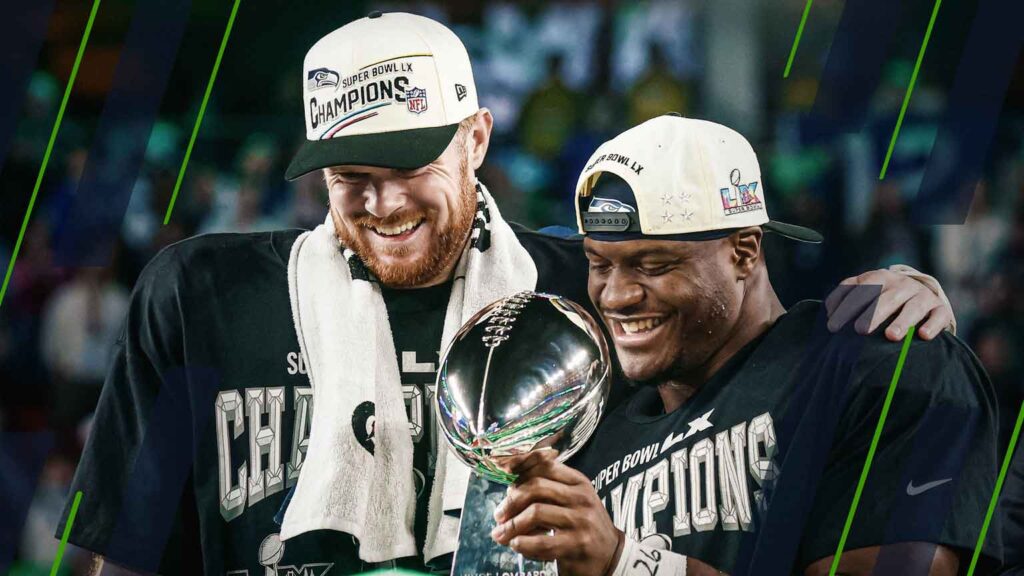



As other franchises begin their quest for a championship next season, they should look at Philadelphia and Seattle as a blueprint for team building. Even teams like the Bills and Bengals need to understand that offensive balance trumps asking their elite quarterbacks to carry the entire burden. On both sides of the ball, the run game still matters, and the Seahawks did a terrific job of proving it throughout their championship run.

 © 2026 PFF - all rights reserved.