- Base defense usage experiences a sharp league-wide surge: To combat heavy offensive formations, league-wide base deployment jumped from 21.22% to 29.64% over the last three seasons, systematically shrinking the traditional coverage windows available for middle-of-the-field targets.
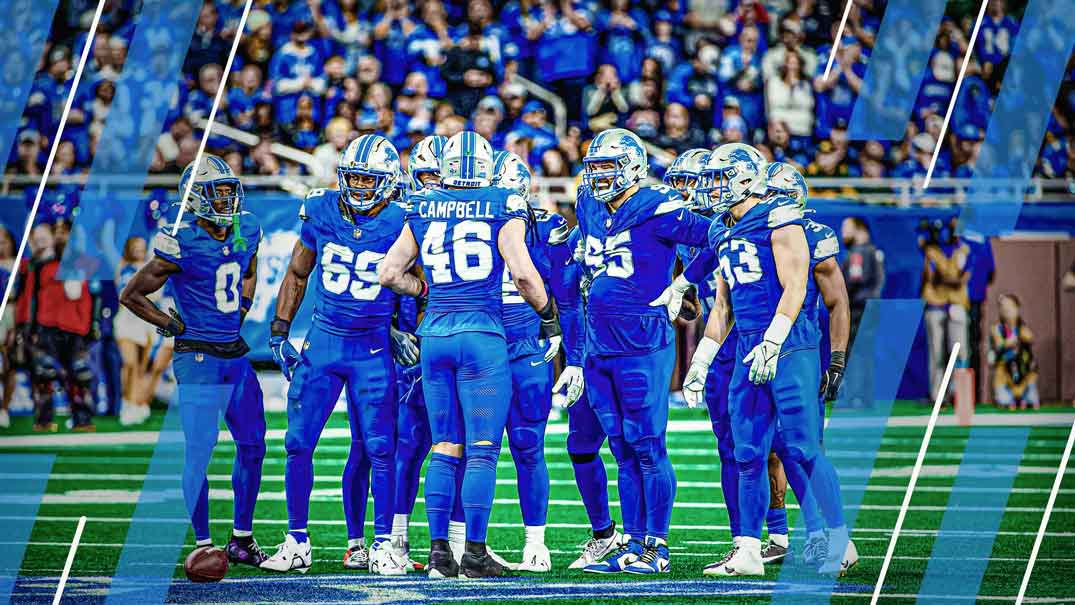
- Detroit leads the league in heavy defensive structures: The Lions operated out of heavy base formations on a league-high 61.60% of their defensive snaps, though compounding secondary injuries could make their front seven highly vulnerable to regression.
- The Rams pioneer extreme defensive flexibility via the dime package: Even while navigating extended injury absences in the secondary, Los Angeles paced the NFL by utilizing six-defensive-back dime looks on an unprecedented 30.60% of their plays to create a uniquely volatile fantasy environment.

NFL defenses are constantly adjusting to offensive trends, and the league's recent shift toward heavier personnel packages has triggered a corresponding change on the other side of the ball. After spending years relying on nickel personnel as their primary defense against pass-heavy offenses, teams have increasingly returned to base fronts and heavier defensive groupings.
Those adjustments can have a meaningful impact on both real-life and fantasy football outcomes. Personnel decisions influence how offenses attack, where production is concentrated and which players are put in favorable situations. The article below examines defensive personnel usage across the league over the past three seasons, highlighting key trends and identifying the teams that stand out from the norm.
Defensive personnel grouping averages from 2023-25
| Averages | 2025 | 2024 | 2023 |
|---|---|---|---|
| Base | 29.64% | 23.29% | 21.22% |
| Nickel | 59.04% | 65.21% | 67.16% |
| Dime | 9.36% | 9.88% | 9.87% |
Personnel groupings reflect one of the NFL's most fundamental strategic tradeoffs. Defenses can add defensive backs to improve pass coverage, but doing so often makes them more vulnerable against the run.
In 2025, base defenses (four defensive backs) allowed 3.71 yards per rushing attempt and 7.29 yards per pass play. Nickel defenses (five defensive backs) allowed 4.82 yards per rush and 6.84 yards per pass play, while dime defenses (six defensive backs) allowed 5.70 yards per rush and 6.71 yards per pass play.


 © 2026 PFF - all rights reserved.