- An elite run-stuffer joins the interior: The Texans found incredible value in second-round pick Kayden McDonald. The Ohio State standout earned the highest PFF grade in the class (86.7) and ranked first among all FBS interior defenders in run-defense grade (91.2).
- Prioritizing pass protection on the offensive line: Houston addressed the trenches with Keylan Rutledge and Febechi Nwaiwu. Nwaiwu was one of the nation's most efficient protectors last season, allowing only two pressures across 505 pass-blocking snaps.
- Value found in the secondary and linebacker corps: The Texans secured significant steals according to the PFF Big Board, landing USC safety Kamari Ramsey (ranked 82, picked 141) and productive Indiana linebacker Aiden Fisher to bolster their defensive depth.
All 257 picks from the 2026 NFL Draft have been made, reshaping depth charts across the league and setting the foundation for the season ahead. But draft weekend is only the starting point — the real evaluation comes from how each class aligns with the board, positional value and projected impact.
This class features a wide range of outcomes. Using PFF's Big Board as a baseline, along with wins above average (WAA) added and an emphasis on premium positions, we can begin to separate sound process from questionable decisions before a single training camp snap is played.
With that framework, here's a look at how the Houston Texans approached the 2026 NFL Draft — where they found value, where they prioritized need and how much immediate impact this class is positioned to deliver.
Houston Texans: B-
Picks: 8 | WAA added: 0.901 (Rank 21/32)
- Pick 26: G Keylan Rutledge, Georgia Tech Yellow Jackets
- Pick 36: DI Kayden McDonald, Ohio State Buckeyes
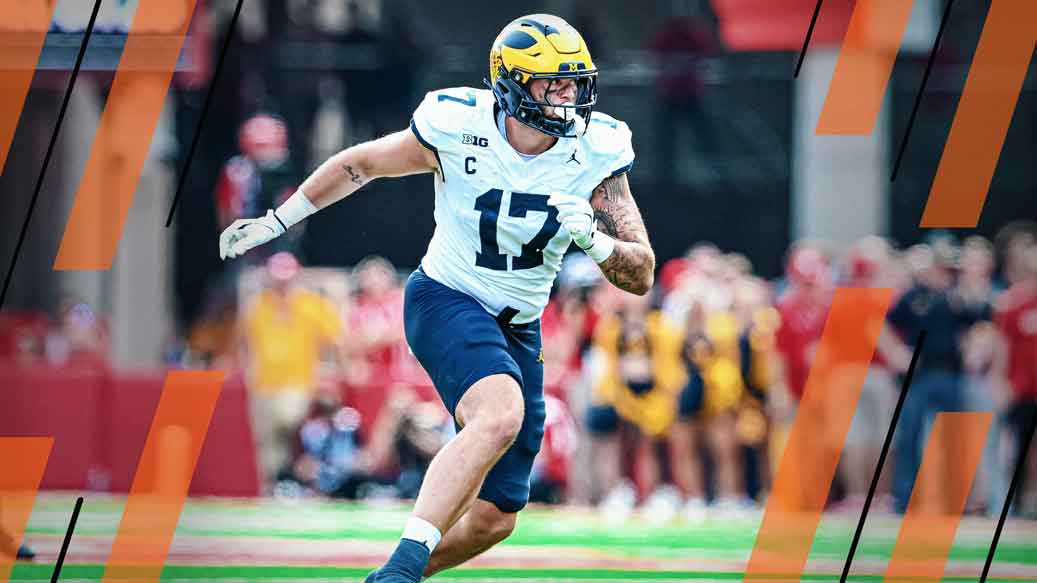
- Pick 59: TE Marlin Klein, Michigan Wolverines
- Pick 106: G Febechi Nwaiwu, Oklahoma Sooners
- Pick 123: LB Wade Woodaz, Clemson Tigers
- Pick 141: S Kamari Ramsey, USC Trojans
- Pick 204: WR Lewis Bond, Boston College Eagles
- Pick 243: LB Aiden Fisher, Indiana Hoosiers
Highest-graded pick (2025): DI Kayden McDonald, Ohio State Buckeyes (86.7)

Rutledge: Rutledge was a late riser in the pre-draft process — and offensive linemen tend to go earlier than expected in general — but it’s an interesting decision by Houston to move up to take him, as he ranked outside the top 50 on most consensus big boards. Rutledge earned PFF grades below 70.0 in his first three seasons — at Middle Tennessee State and Georgia Tech — before showing improvement in the run game in his final season (77.8 PFF grade).
McDonald: McDonald posted a career-best 86.0 PFF grade in 2025, fueled by elite run defense, where his 91.2 grade ranked first among qualifying FBS interior defenders. He backed that up with top-tier stability, landing in the 99th percentile in run-stop rate and 95th percentile in run-defense grade. The pass-rush profile remains limited, though, with a 63.1 grade and sub-15th percentile marks in both overall and true pass-rush situations.
Klein: Klein is an intriguing young prospect who is relatively new to football but shows the effort and mentality to develop into a difference-making in-line tight end. If he continues to add weight and strength, he projects as a strong TE2-type with blocking upside.
Nwaiwu: Nwaiwu was one of the nation’s most efficient pass blockers last season, allowing just two pressures across 505 pass-blocking snaps. That level of production, paired with his positional versatility, could help offset his struggles in the run game, where he ranked in the sixth percentile in positively graded plays.
Woodaz: Woodaz, No. 395 on PFF’s Big Board, is a long linebacker at 6-foot-3 and 236 pounds with 32¾-inch arms and strong speed for the position, as shown by a 4.56 40-yard dash (86th percentile) and a 1.55-second 10-yard split (93rd percentile). He earned a 70.9 PFF grade across 610 snaps in 2025, including a 75.5 coverage grade. In coverage, he allowed 35 receptions for 281 yards on 47 targets with no touchdowns and three pass breakups. He also recorded 23 defensive stops, including six tackles for loss or no gain on 231 run-defense snaps.
Ramsey: Ramsey provides versatility with the ability to play both safety spots and the slot, particularly in two-high looks. His lighter build and good — but not elite — athleticism cap his ceiling.
Bond: Bond has a limited catch radius at 5-foot-11 with sub-30-inch arms and below-average speed, as shown by a 4.59 40-yard dash, but he compensates with strong ball skills in contested situations. He produced a 69% contested catch rate over his career at Boston College and showed versatility with more than 1,000 snaps split between the slot and outside, which supports his projection as a possession target with alignment flexibility.
Fisher: Fisher is an experienced, high-effort linebacker but lacks ideal size and athleticism. He projects as a depth player and special teams contributor.


 © 2026 PFF - all rights reserved.