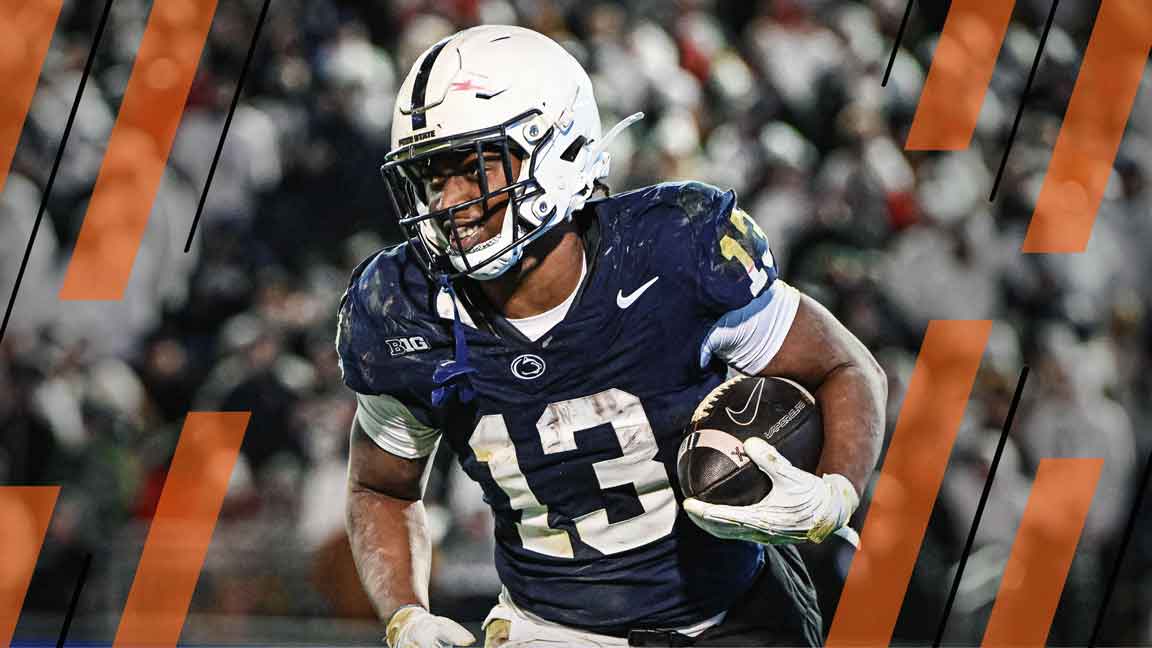
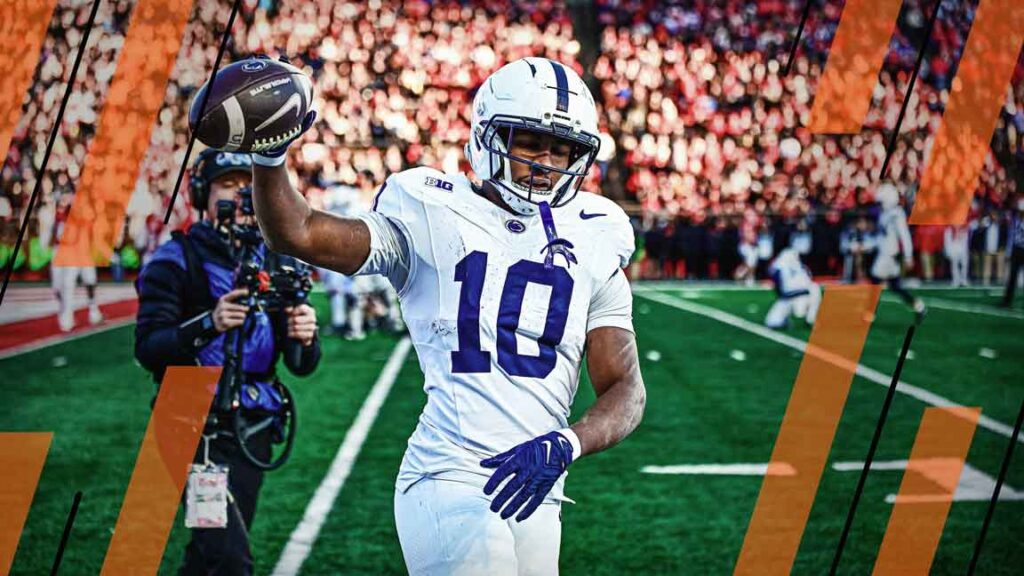
- Penn State's Kaytron Allen is a big-play threat: Allen ranks seventh among running backs and 146th overall on the PFF big board. If selected on Day 3, he could quickly energize a fan base. He has produced 29 career carries of at least 20 yards for the Nittany Lions, offering no shortage of explosive plays on film.
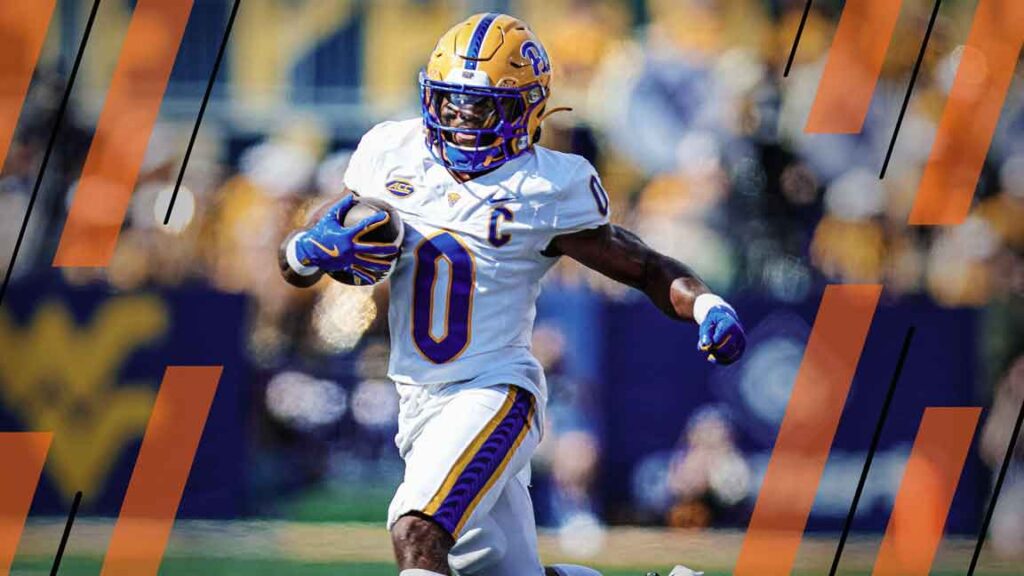
- Pittsburgh's Desmond Reid offers an added dimension: One area not yet addressed is receiving production. Reid, ranked 217th on PFF’s big board, offers the profile of a receiving back that creative playcallers covet. He leads the 2026 running back class in career receiving yards (1,385). With an expanded role in the passing game last season, Reid aligned out wide on 20% of snaps.
- 2026 NFL Draft season is here: Try the best-in-class PFF Mock Draft Simulator and learn about 2026's top prospects while trading and drafting for your favorite NFL team.
No position is more dependent on the landing spot than running back. This is especially true in the mid-to-late rounds, where outcomes range from a potential Day 1 starter to a player buried behind multiple established veterans on the depth chart.
Over the past 10 years, five rookie running backs selected on Day 3 or signed as undrafted free agents have rushed for 1,000 yards in their first season. Three others surpassed 1,000 yards from scrimmage when including receiving production.
A few trends stand out among this group, which we'll use as a framework to identify analytical sleepers from this year's class.
Most posted elite PFF rushing grades in college, with the exception of Phillip Lindsay (74.0) and James Robinson (78.5). Both players profile as one-year outliers who were unable to build on their rookie seasons.
All eight also performed well at avoiding runs that resulted in no gain or a loss. The highest stuff rate in the group was Robinson’s 17.7%, with most in the low teens. While this can be influenced by offensive line play, it may also serve as a key indicator of early NFL success. NFL teams extend only a short leash and are unlikely to continue giving carries to a fifth-round rookie if he consistently gets stopped at the line.
While a lighter college workload is often viewed as a positive for top prospects, five of these eight players recorded more than 2,800 rushing yards in their college careers — a mark only eight running backs on PFF’s top 450 big board have reached.
On the other end of the spectrum, converted wide receiver Tyrone Tracy did not reach 1,000 rushing yards in college but did so as a rookie with the New York Giants.



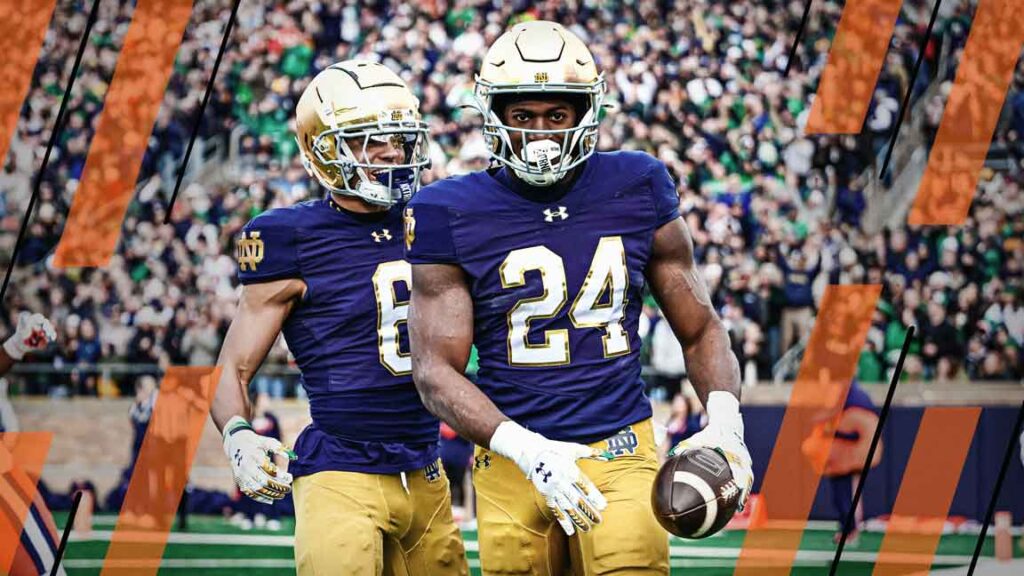

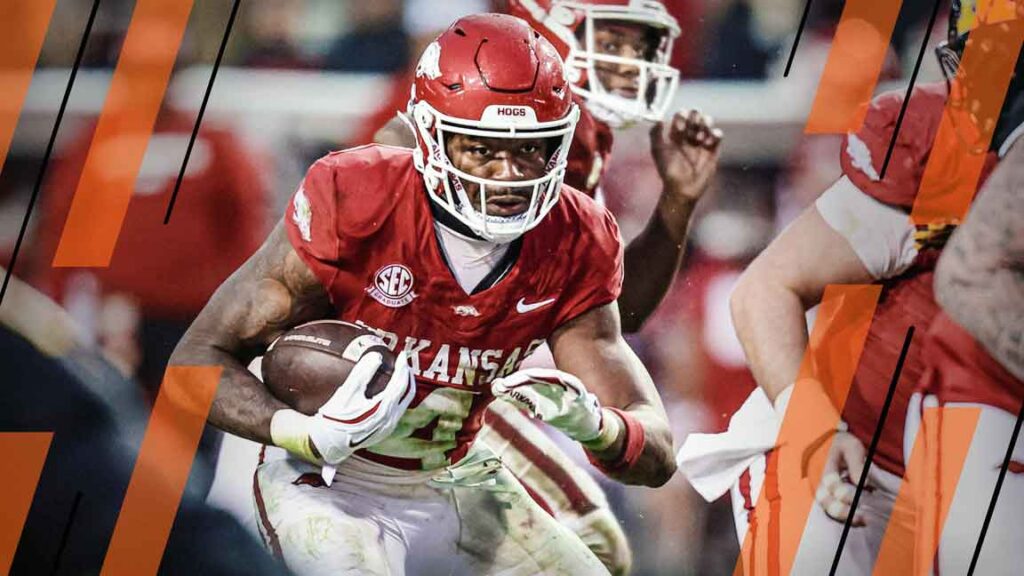
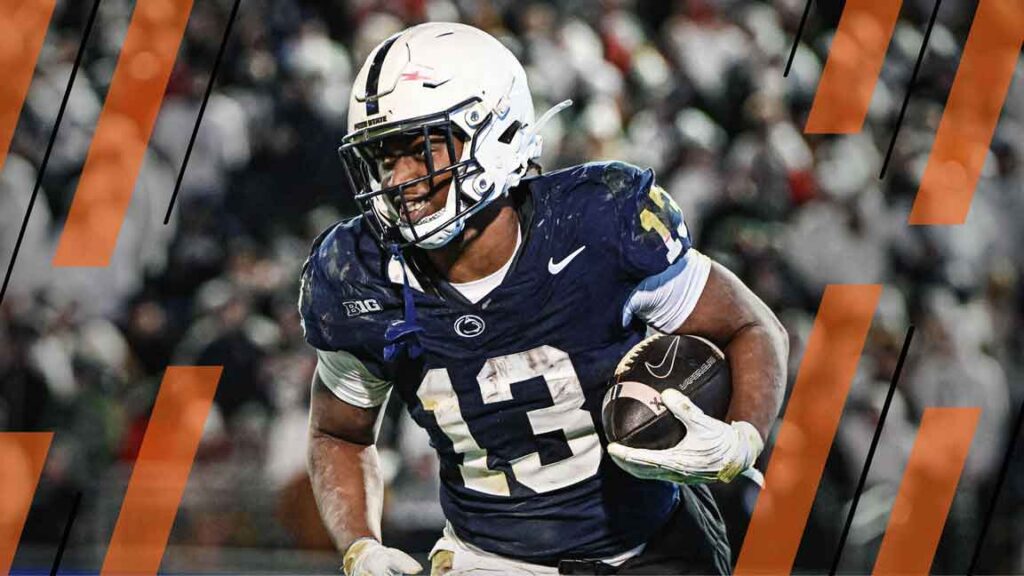
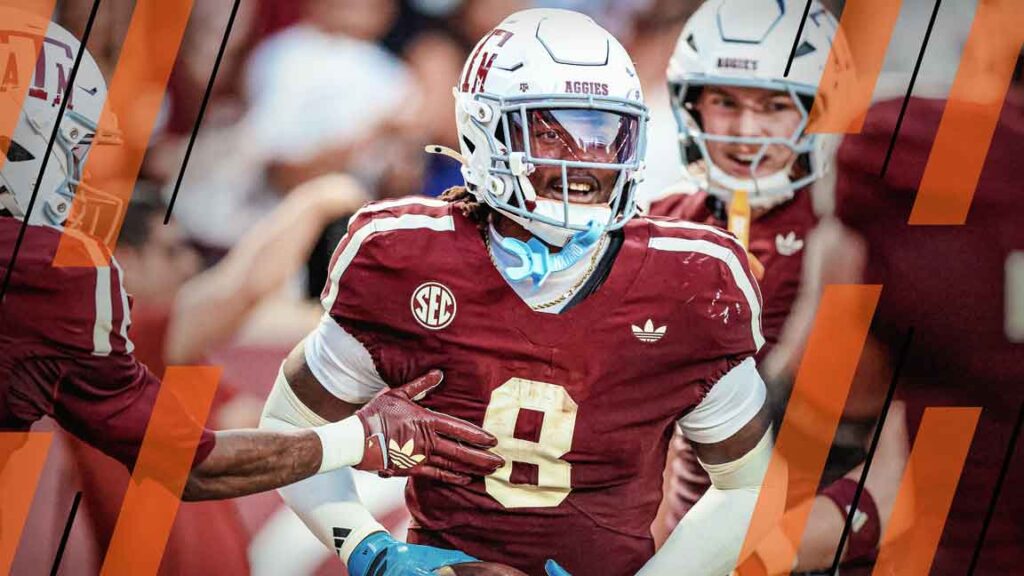


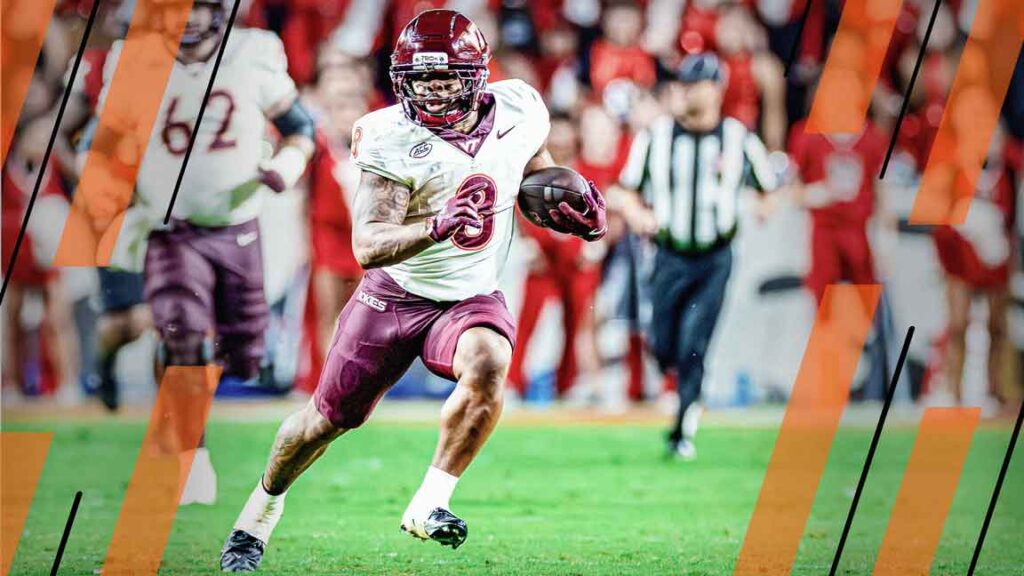
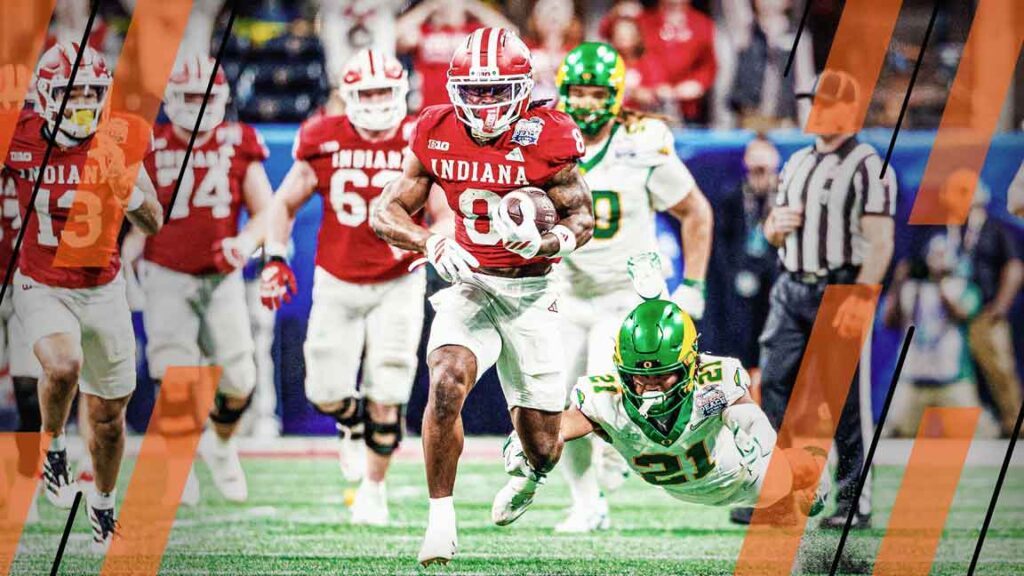


Kaytron Allen, Penn State
Allen is far from a sleeper, having emerged as one of the most productive offensive players in college football alongside Penn State teammate Nicholas Singleton.
Allen ranks seventh among running backs and 146th overall on the PFF big board. If selected on Day 3, he could quickly energize a fan base. He has produced 29 career carries of at least 20 yards for the Nittany Lions, offering no shortage of explosive plays on film.
From an analytical standpoint, Allen checks every box. His 96.0 PFF rushing grade would be the highest among Day 3 running backs in PFF history. He also leads the 2026 draft class in career rushing yards (4,167).
Avoiding negative runs should not be a concern, as he posted a 12.8% stuff rate in college, though it is worth noting this came behind a strong Penn State offensive line.
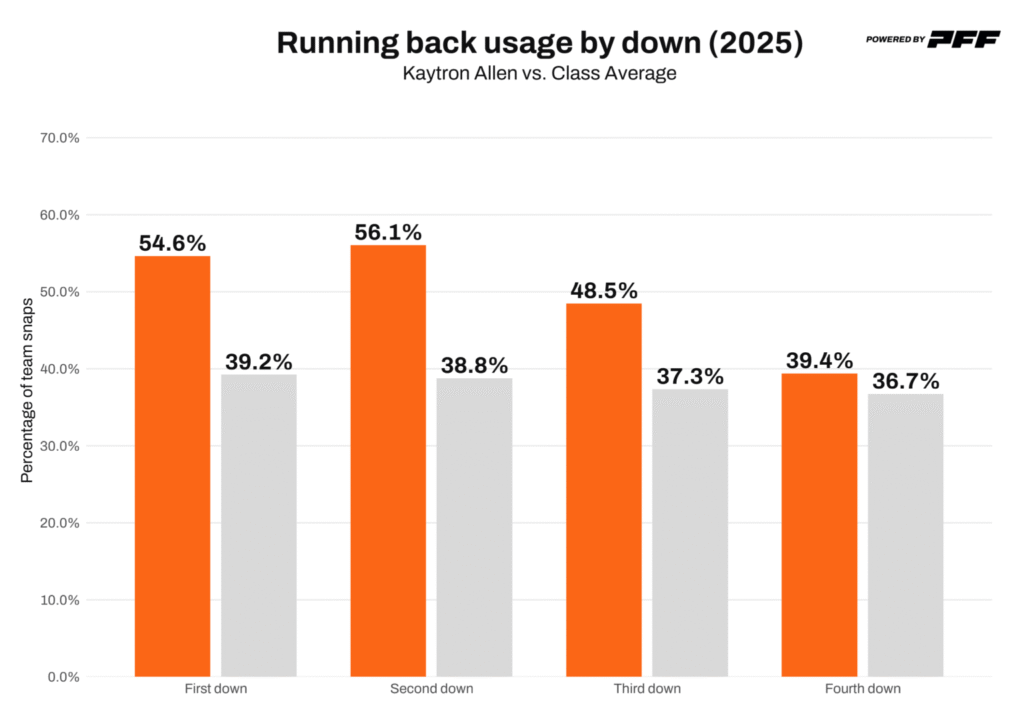
Another key factor is his experience working in a committee. Many late-round picks transition from being the focal point of their college offense to a depth role in the NFL. Allen has already shown comfort rotating in and out alongside Nicholas Singleton.
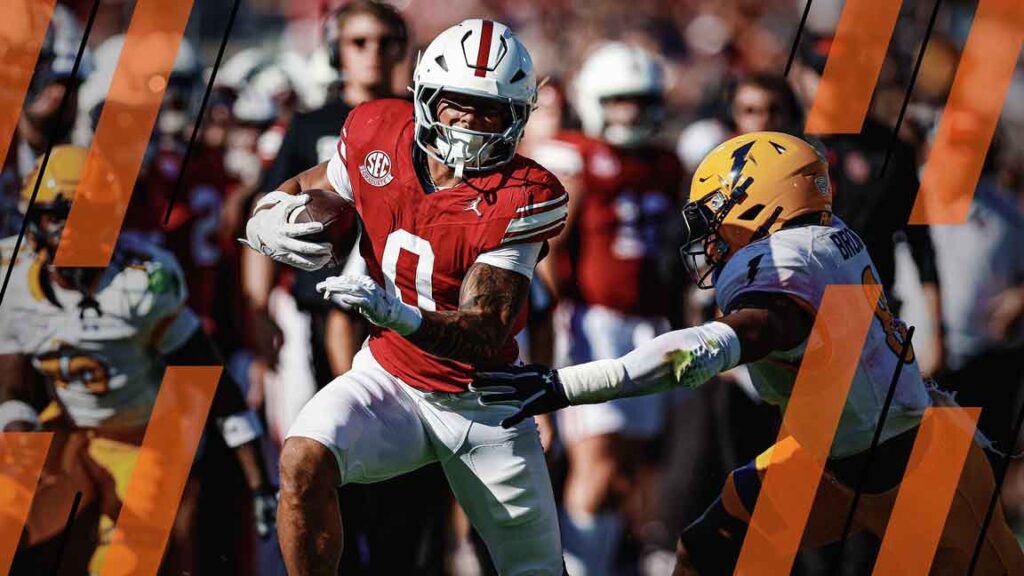
Rahsul Faison, South Carolina
Ranked 251st on PFF’s big board, Faison took a step back in 2025 after transferring from Utah State. At 26 years old, he is already older for the position, so any team selecting him late on Day 3 will be targeting a high-floor contributor who can make an immediate impact on his rookie contract.
Faison could still stand out early in the right situation. Coaches will value his reliability — he has just two drops across three FBS seasons and has not lost a fumble on 411 career carries.
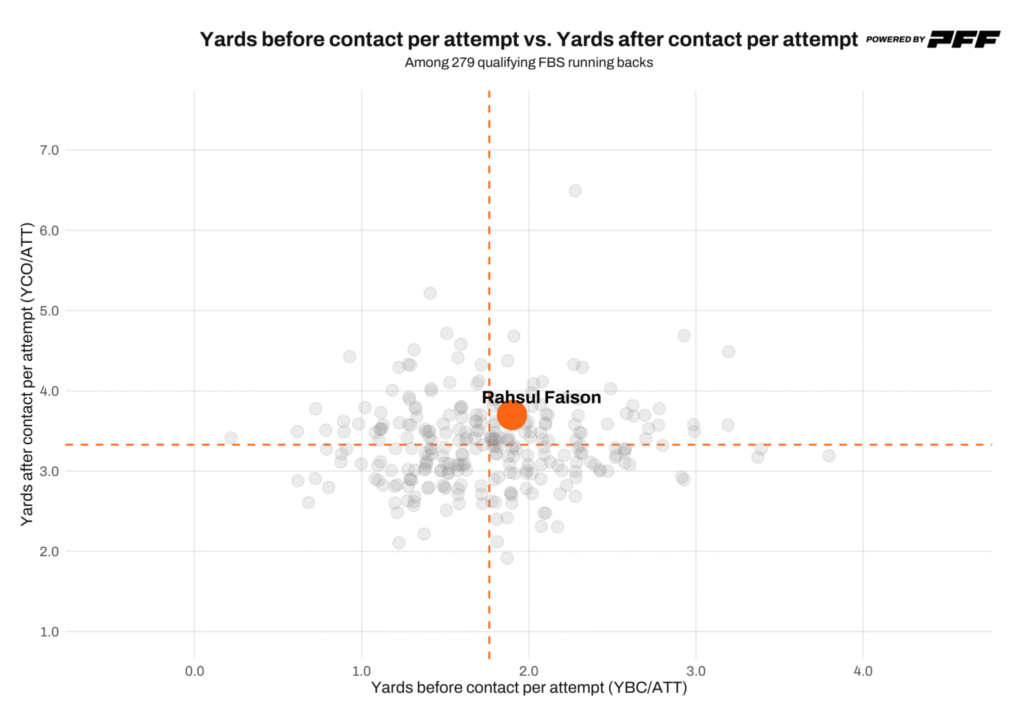
He posted a 14.4% stuff rate in college and also excelled in metrics less dependent on offensive line play. He forced 0.3 missed tackles per carry, one of the best marks in the 2026 class, and averaged 3.7 yards after contact per attempt, which ranks fourth among the 35 running backs on PFF’s big board.
Faison is not a developmental prospect. Given his age, teams will expect immediate returns. If he returns to his 2024 form, when he performed at a Day 2 level, he could earn a significant role in the right situation.
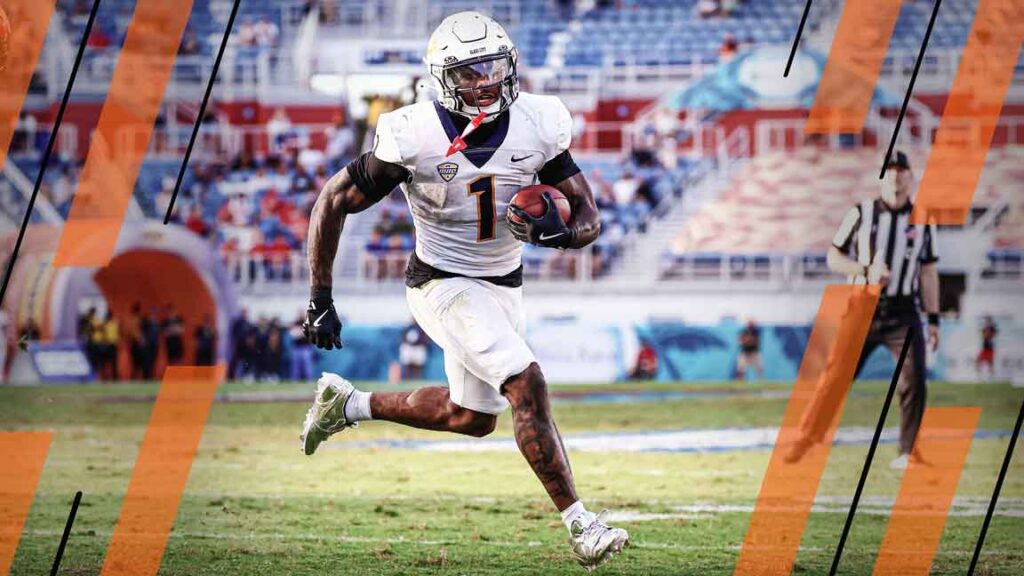
Desmond Reid, Pittsburgh
One area not yet addressed is receiving production. Reid, ranked 217th on PFF’s big board, offers the profile of a receiving back that creative playcallers covet.
He leads the 2026 running back class in career receiving yards (1,385). With an expanded role in the passing game last season, Reid aligned out wide on 20% of snaps.
His hands are reliable, with just four drops on 120 catchable targets, and he is a consistent threat after the catch, averaging 10.7 yards after catch per reception. However, Reid’s 5-foot-6, 174-pound frame will raise concerns, and his 7.20-second three-cone time is underwhelming for a player of that size.
Still, a creative playcaller can carve out a role for him. Teams such as the Cowboys and Commanders recorded fewer than 50 completed passes to running backs last season, leaving a gap in their passing attacks. A reliable option like Reid on wheel and angle routes out of the backfield could add a new dimension to those offenses.
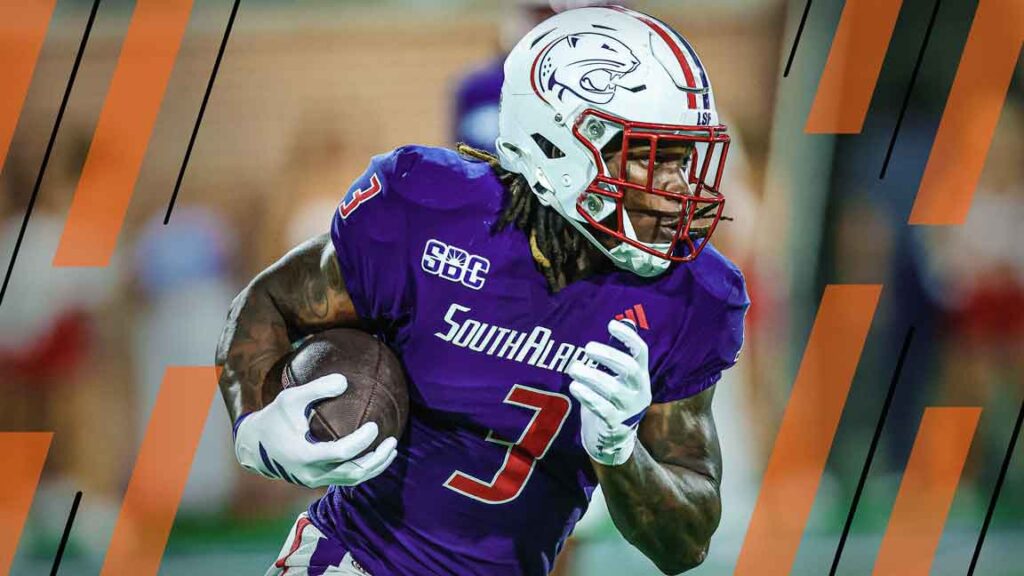
Kentrel Bullock, South Alabama
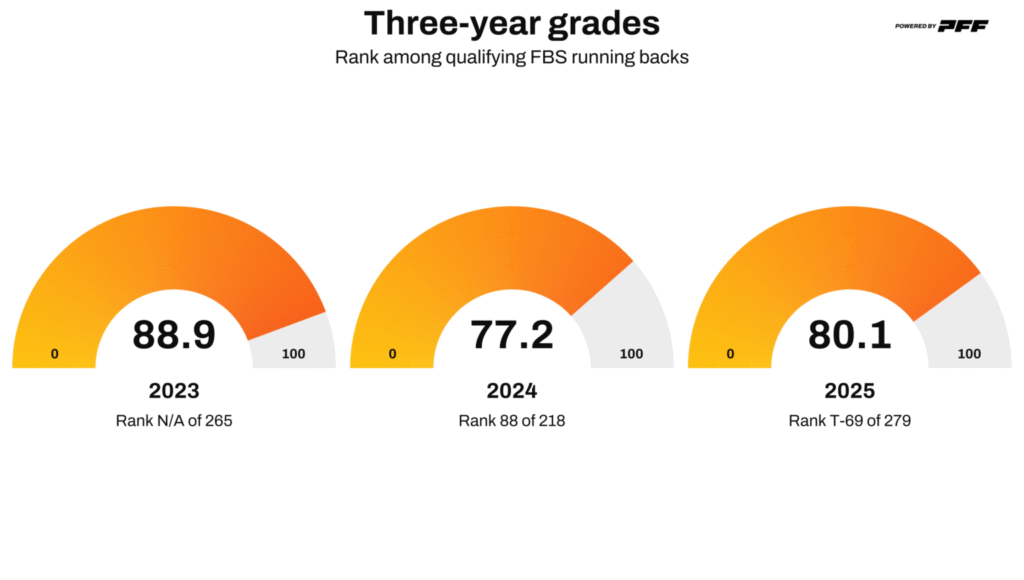
Finally, a true deep sleeper. Ranked 387th on PFF’s big board, Bullock was the second-highest-graded running back in the 2025 class behind Jeremiyah Love.
Bullock’s breakout season as a sixth-year senior has revived his NFL prospects. He posted a 10.5% stuff rate and ranked among the top 10 in both first downs and rushing touchdowns among draft-eligible running backs.
A former four-star recruit at Ole Miss, Bullock pairs pedigree with production, totaling 2,436 career rushing yards and just one fumble on 472 attempts.
Bullock projects best in a gap-heavy scheme. He has a stocky build and plays through contact, though he can lack vision and creativity early in runs.
Ranked RB30 on PFF’s board, Bullock’s NFL outlook will depend heavily on landing spot, likely as an undrafted free agent. Unlike several players ranked ahead of him, he enters the league coming off the most productive stretch of his career, a key factor in projecting late-round and UDFA running backs.

 © 2026 PFF - all rights reserved.